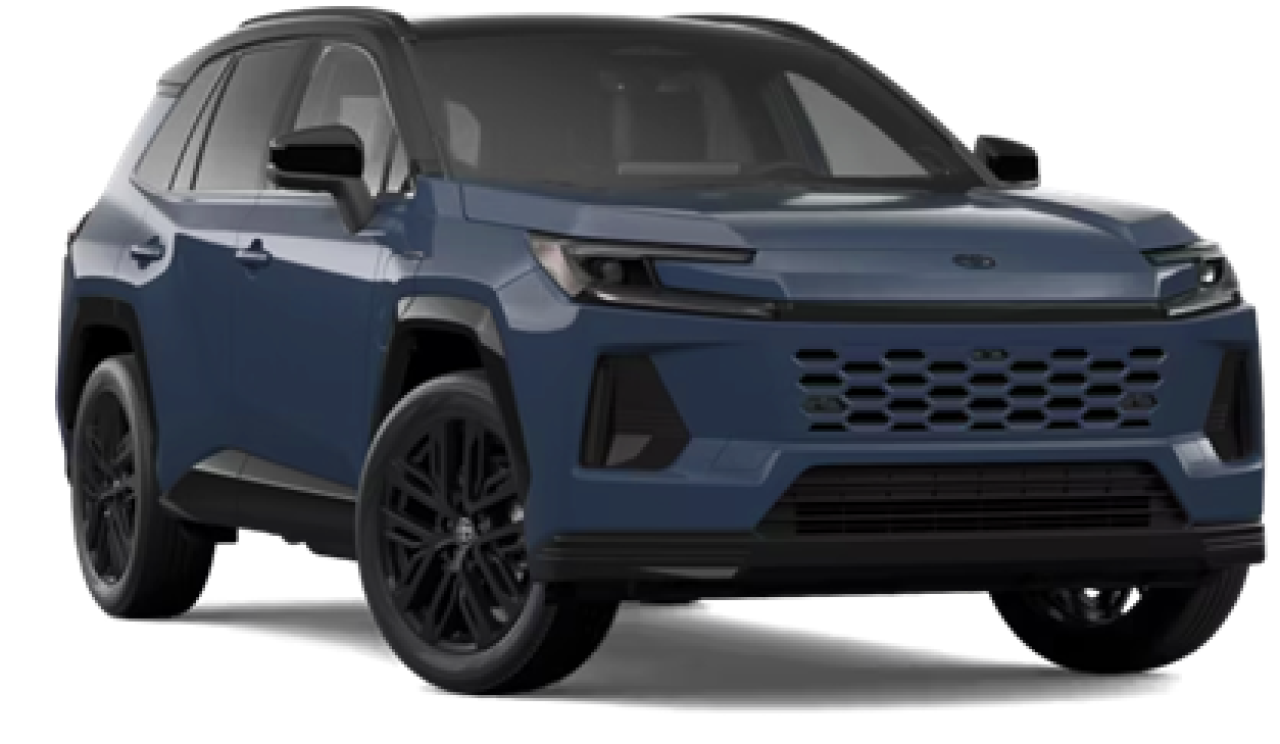
For over a decade, Toyota has maintained a near-monopoly on the Mexican hybrid market, where roughly seven out of every ten hybrid vehicles sold carry the brand’s badge. This dominance was built on the "no-plug" convenience of traditional hybrids, a technology Toyota pioneered and scaled globally. However, the launch of the RAV4 Plug-in Hybrid (PHEV) marks a subtle but significant pivot in the company’s regional strategy, introducing external charging requirements to its most successful SUV line for the first time.
The choice of the RAV4 as the vanguard for this technology is a play for stability. Since its arrival in Mexico in 2003, the model has moved more than 220,000 units, becoming a cornerstone of the brand’s local identity. By integrating a plug-in variant and recently updating its traditional hybrid version, Toyota is effectively sunsetting the pure internal combustion engine for its flagship SUV, signaling a broader industry trend toward electrification through gradual transition rather than abrupt disruption.
Guillermo Díaz, president of Toyota Motor Sales and Lexus de México, characterizes this move as the beginning of a "new stage." While traditional hybrids remain the most versatile option for a country still developing its charging network, the introduction of the PHEV serves as a barometer for consumer appetite. It is a cautious expansion, testing whether the Mexican driver is ready to move beyond the self-sustaining hybrid toward a more integrated, electric future.
With reporting from Expansión MX.
Source · Expansión MX