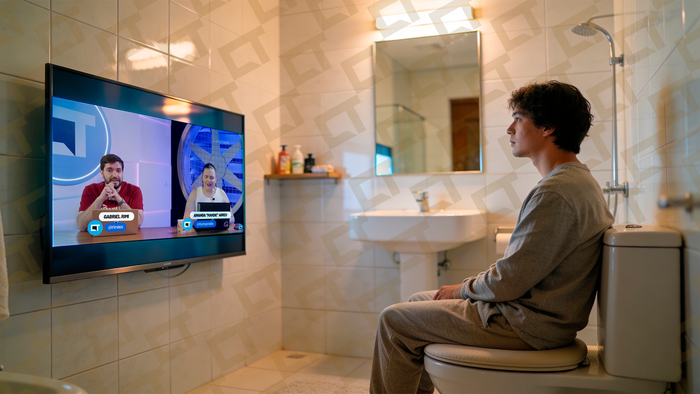
The acquisition of a state-of-the-art television is typically accompanied by high expectations regarding color fidelity and resolution. However, the ultimate viewing experience is frequently undermined by installation decisions that disregard ergonomics and the dynamics of the home environment. The most prevalent error lies in the neglect of physical safety: devices positioned in thoroughfares frequented by children or pets become vulnerable to costly falls and household accidents.
To mitigate such risks, the use of anti-tip kits or direct mounting onto robust wall brackets is recommended as an essential safety standard. Beyond the physical integrity of the hardware, interaction with natural light represents a critical, frequently underestimated factor. Positioning the screen directly opposite large windows results in reflections that nullify contrast and the depth of blacks, fundamental characteristics of technologies such as OLED or QLED.
Finally, the integration of technology into the space must consider not only the viewing angle but also cable management and adequate ventilation. A careless installation not only degrades image quality but can also reduce hardware lifespan due to overheating or induce prolonged cervical discomfort for users. Therefore, meticulous planning of the home layout constitutes the final — and perhaps most crucial — fine-tuning for any high-performance entertainment system.
With information from Canaltech.
Source · Canaltech