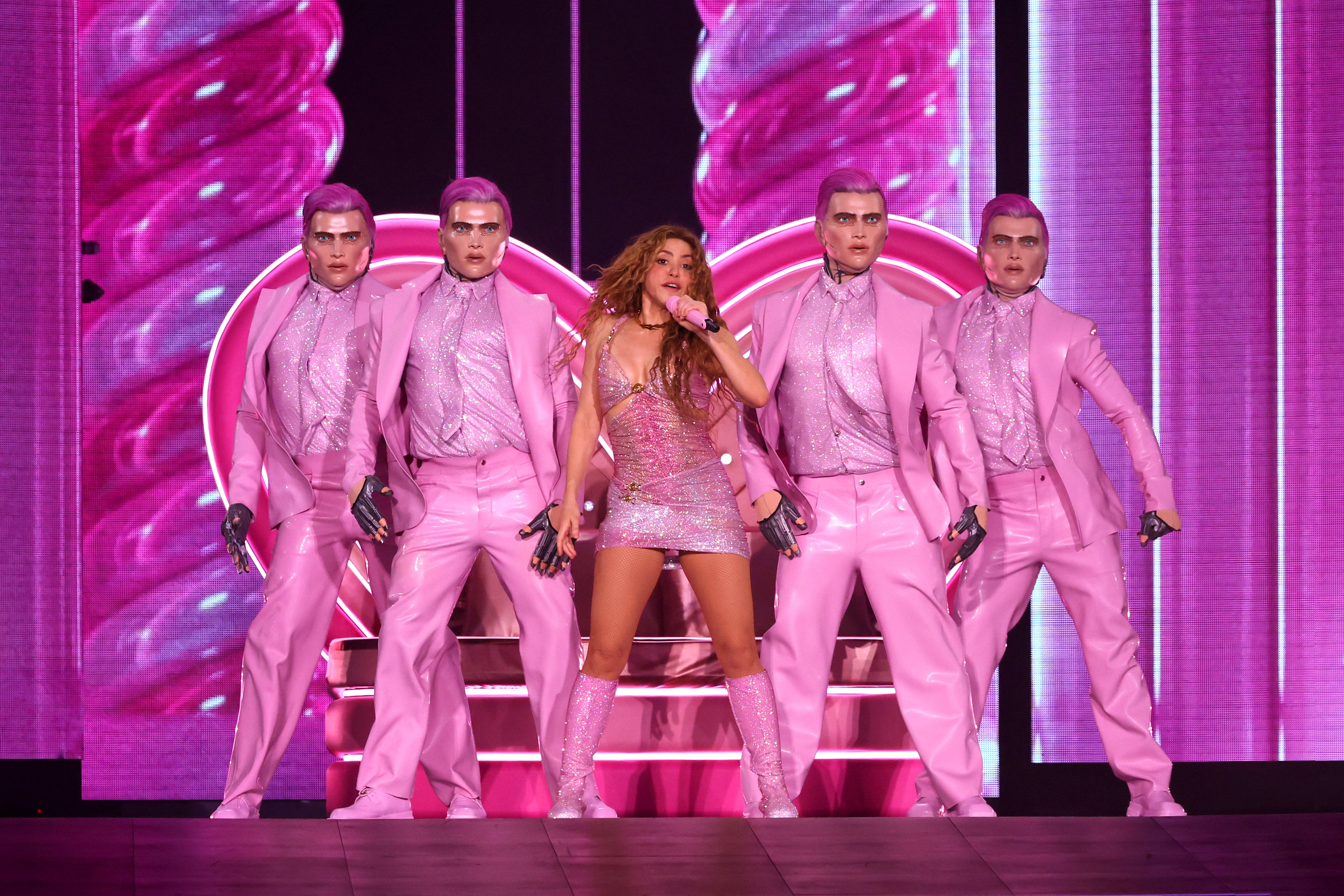
Rio de Janeiro’s Copacabana Beach has long served as an expansive, open-air arena for the world’s most ambitious live performances. This May, the venue is slated to host Shakira, the Colombian artist whose career has become a blueprint for global crossover success. The scale of such events, often free to the public, requires a level of logistical precision and urban coordination that few cities can sustain.
The narrative surrounding the concert gained further momentum recently when Brazilian star Anitta confirmed she had received an invitation to join Shakira on stage. While the specific details of the collaboration remain under wraps, the pairing represents a strategic intersection of two dominant forces in the modern music market. For Anitta, performing alongside Shakira in her home country reinforces her trajectory as a global peer within the industry.
Beyond the music, these massive gatherings function as significant economic and cultural engines. They transform the urban landscape into a temporary theater, testing the limits of public infrastructure and signaling a city’s capacity to manage global-scale media events. As the industry increasingly leans into massive experiential "moments," the potential collaboration on the sands of Rio serves as a potent reminder of the public square’s enduring relevance.
With reporting from Exame Inovação.
Source · Exame Inovação