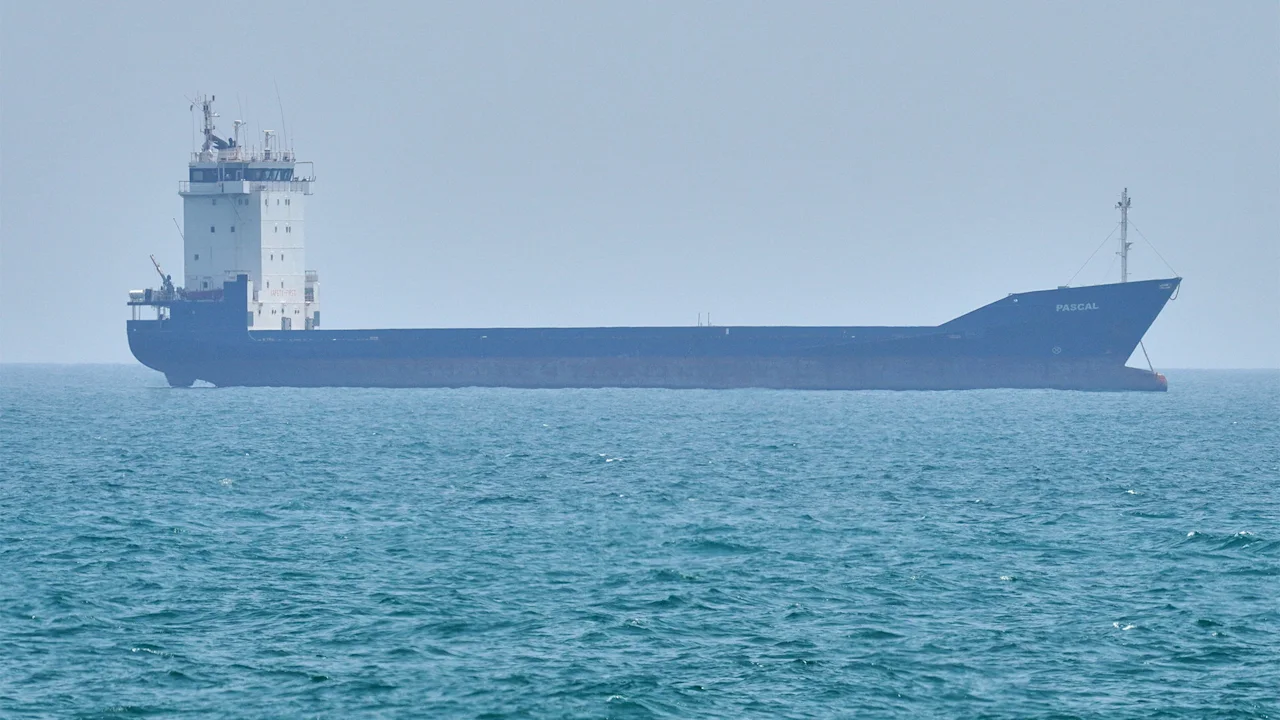
The fragile equilibrium in the Strait of Hormuz fractured on Sunday when U.S. naval forces intercepted and boarded the *Touska*, an Iranian-flagged cargo ship. According to statements from President Donald Trump, a U.S. Navy guided-missile destroyer disabled the vessel by firing into its engine room after the ship allegedly attempted to bypass a week-old blockade. The maneuver marks the first kinetic interception since the U.S. began targeting Iranian ports, signaling a sharp escalation in a standoff that has already pushed global energy markets to the brink.
The timing of the seizure complicates an already precarious diplomatic window. A standing ceasefire is set to expire this Wednesday, and while the White House had recently signaled a willingness to engage in new talks in Pakistan, those prospects now appear dim. Iran’s joint military command has characterized the boarding as an act of piracy and a direct violation of the ceasefire, suggesting that the incident may serve as a catalyst for the dissolution of the current truce rather than a precursor to negotiation.
For global systems, the immediate fallout is economic. Oil prices climbed following the news, exacerbating a global energy crisis that is already among the most severe in decades. As U.S. Marines inspect the *Touska*’s cargo, the broader international community is left to weigh the cost of a tightening blockade against the volatility of a region where the line between maritime enforcement and open conflict has become increasingly thin.
With reporting from Fast Company.
Source · Fast Company