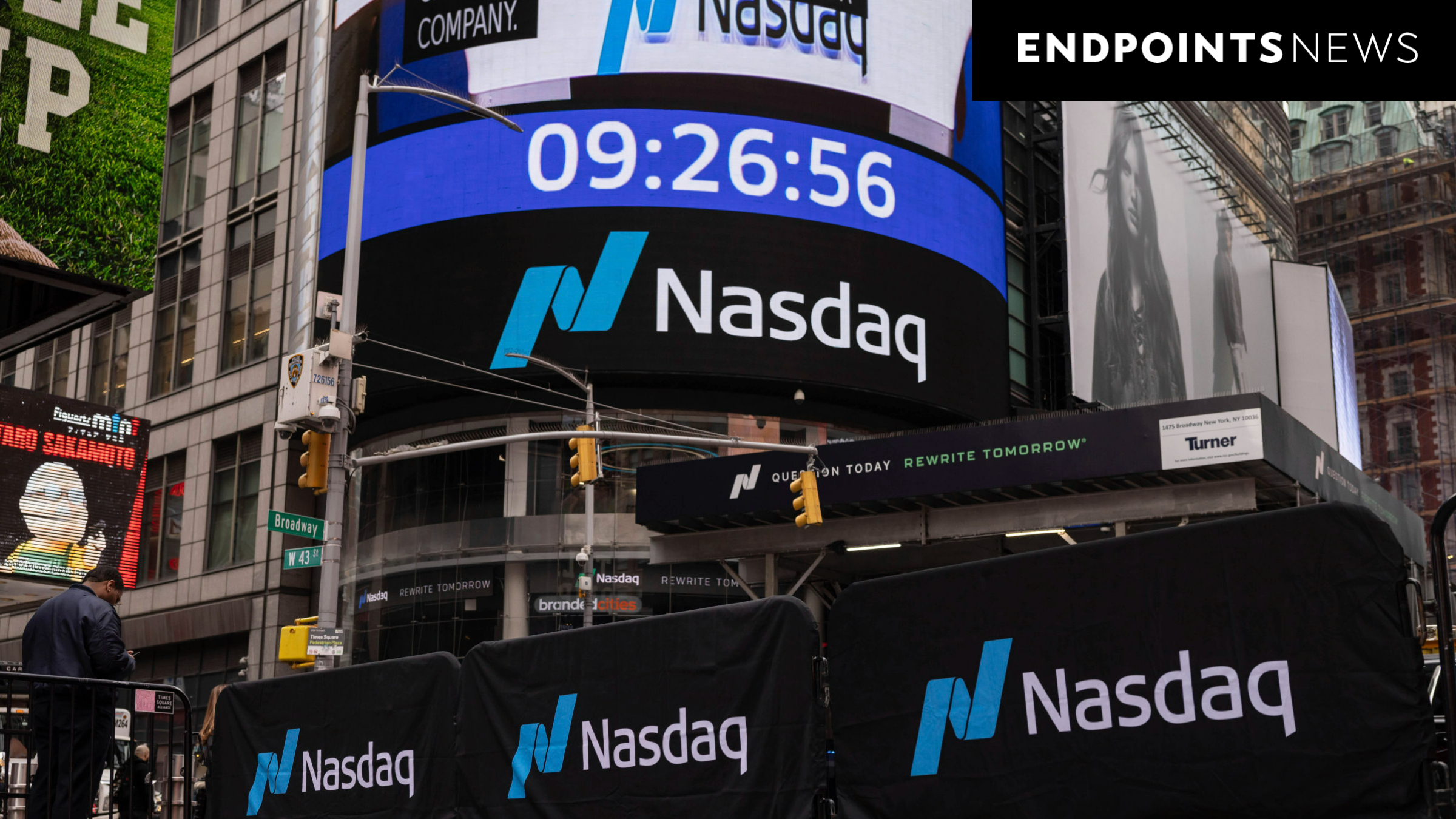
In the high-stakes arena of biotechnology finance, a long-standing ceiling has finally been raised. Kailera Therapeutics made its public debut this week with a $625 million initial public offering, surpassing the previous record for a biotech IPO and signaling a renewed, if concentrated, appetite among institutional investors for ambitious drug development platforms.
The figure eclipses the benchmark set by Moderna in 2018, when the then-obscure mRNA company raised $604 million in what was, at the time, an audacious bet on an unproven technology. Moderna's trajectory — from record IPO to pandemic-era household name — became a defining narrative of biotech's capacity to deliver outsized returns on speculative science. Kailera's entrance suggests that the institutional memory of that payoff remains sharp, and that capital allocators are willing to revisit the mega-IPO playbook when the underlying thesis is sufficiently compelling.
A market that rewards conviction, selectively
The broader context matters. The biotech sector spent much of 2022 and 2023 in a pronounced downturn, with the NASDAQ Biotechnology Index retreating from its pandemic-era highs and IPO windows narrowing considerably. Smaller companies struggled to access public markets at all, and many that did priced below their initial ranges. The correction was a predictable response to the speculative excess of 2020 and 2021, when capital flooded into early-stage companies with limited clinical validation.
Against that backdrop, Kailera's ability to command a $625 million raise is not simply a data point — it is a signal about how the market is choosing to allocate risk. Rather than a broad thaw in biotech sentiment, the IPO appears to reflect a flight to perceived quality within the sector. Investors have grown more discriminating, favoring companies whose science sits at the intersection of large addressable markets and differentiated mechanisms of action. The era of indiscriminate biotech enthusiasm has given way to one in which a small number of companies attract disproportionate capital, while the long tail of early-stage firms continues to face constrained access to public funding.
This pattern is not unique to biotechnology. Across technology and growth sectors, capital concentration has become a defining feature of the post-zero-interest-rate environment. The largest rounds grow larger; the median round shrinks or disappears. For biotech, the implication is that the gap between well-capitalized platform companies and underfunded clinical-stage startups may continue to widen.
The Moderna precedent and its limits
Comparisons to Moderna are inevitable but carry important caveats. Moderna's 2018 IPO was met with considerable skepticism — the company had no approved products, limited clinical data, and a technology platform that many in the pharmaceutical establishment viewed with caution. The subsequent validation of mRNA technology during the COVID-19 pandemic was an extraordinary and largely unforeseeable event that transformed the company's fortunes in ways no investor model could have anticipated.
Kailera enters a different environment. The post-pandemic biotech landscape is shaped by higher interest rates, greater regulatory scrutiny of accelerated approvals, and an investor base that has been chastened by the sector's volatility. A record IPO in this climate carries a different set of expectations than one raised during a period of monetary expansion and speculative fervor.
What remains to be seen is whether Kailera's public market debut marks the beginning of a broader reopening of the biotech IPO window or stands as an outlier — a singular expression of investor conviction in a specific thesis rather than a signal of sector-wide recovery. The distinction matters for the hundreds of private biotech companies currently waiting for conditions to improve.
The tension is clear: the largest biotech IPO in history has arrived not during a period of exuberance, but during one of selective discipline. Whether that discipline holds, or whether the record invites a new wave of ambitious filings, will shape the sector's capital formation story for the quarters ahead.
With reporting from Endpoints News.
Source · Endpoints News