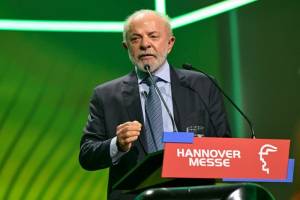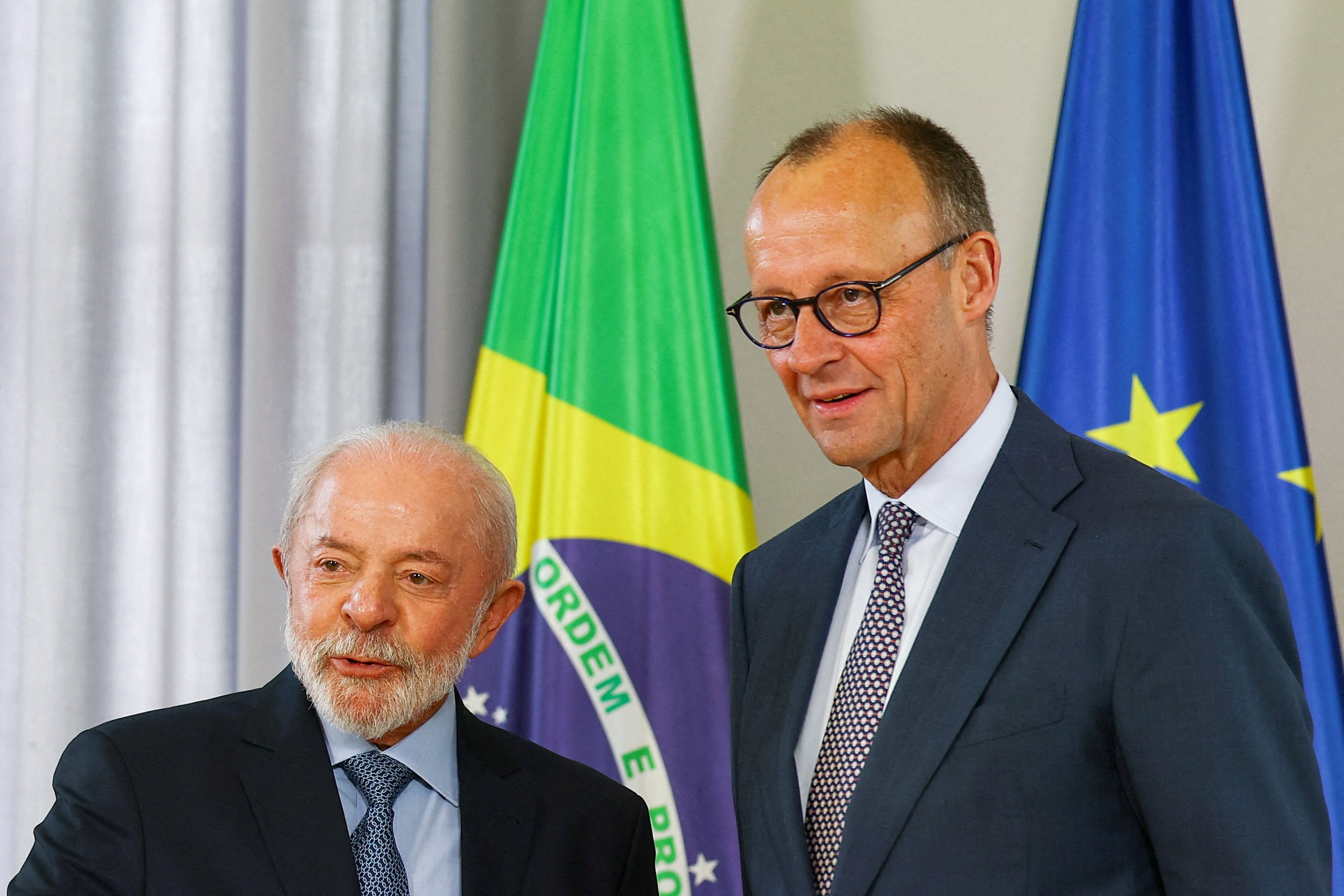
Diplomacy often operates through the lens of shared history, though rarely is that history as painful as a 7-1 World Cup shellacking. During a recent visit to Hannover, Germany, Brazilian President Luiz Inácio Lula da Silva opened his remarks by referencing Brazil’s infamous 2014 semifinal defeat at the hands of the German national team. The joke served as a calculated icebreaker, a moment of levity intended to bridge the distance between two of the world’s major industrial players.
The setting for this rhetorical maneuver was Hannover, a city synonymous with global trade and industrial innovation. While the primary objective of the visit was to strengthen economic ties and discuss the future of manufacturing, Lula’s nod to the "7-1" underscores the cultural currency that sports hold in international relations. By acknowledging the lopsided loss on German soil, he signaled a willingness to engage with the past while looking toward a more balanced economic future.
Beyond the sporting banter, the visit highlights a renewed effort by the Brazilian administration to reintegrate into the global industrial conversation. As Germany seeks to diversify its supply chains and Brazil aims to revitalize its industrial sector, the rapport established in Hannover suggests that both nations are ready to move past old scores—both on and off the pitch.
With reporting from Exame Inovação.
Source · Exame Inovação