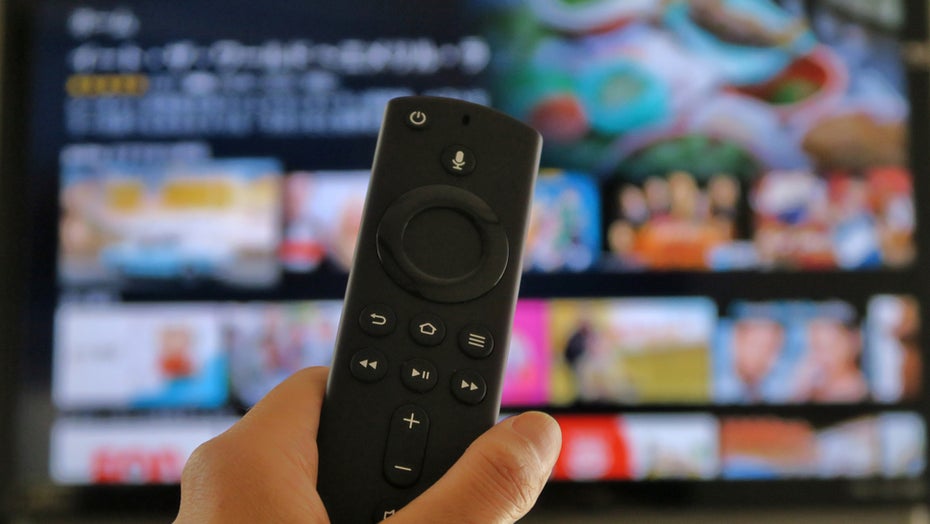
For years, Amazon's hardware ecosystem has lived in a state of comfortable compromise, relying on a "forked" version of Android to power its ubiquitous Fire TV devices. It was a marriage of convenience that allowed Amazon to leverage a massive developer base while maintaining its own storefront. Now, with the rollout of the new Fire TV Sticks, that era is ending. Amazon is officially transitioning to Vega OS, a custom-built, Linux-based operating system designed to replace the aging Fire OS.
The shift is, at its core, an optimization play. Fire OS, burdened by the legacy architecture of the Android stack, often struggled with performance on low-power streaming hardware. Vega OS is a leaner alternative, stripped of the mobile-first bloat that was never intended for a television screen. By moving to a purpose-built system, Amazon promises a snappier interface, faster app launches, and a more responsive user experience that brings the hardware closer to the "thin client" ideal — a device that does little locally and depends on cloud services for the heavy lifting.
The Logic of Breaking Away
Amazon's decision to abandon Android underpinnings follows a pattern familiar in consumer technology: platforms that begin as forks of open-source projects eventually outgrow the scaffolding. The Android base gave Fire OS access to a broad app ecosystem and a well-understood development environment, but it also imposed constraints. Each new Android release carried architectural assumptions designed for smartphones — touch-first input models, mobile power management schemes, memory allocation patterns tuned for handheld devices. Adapting that stack to a low-cost streaming stick plugged into a television required constant engineering workarounds.
The move toward a bespoke Linux-based system is not without precedent in the streaming hardware market. Roku has long operated on a proprietary OS built atop a lightweight Linux kernel, and that approach has allowed it to maintain tight control over performance and the user experience even on inexpensive hardware. Google's own Chromecast devices have similarly moved toward a more vertically integrated software model. In this context, Amazon's pivot reads less as a radical departure and more as a convergence toward an industry norm: purpose-built operating systems for purpose-built devices.
Vega OS also positions Amazon to integrate its growing suite of AI-driven services more deeply into the television experience. A custom OS means custom APIs, which means Amazon can design system-level hooks for Alexa, personalized content recommendations, and ambient computing features without negotiating the abstractions imposed by Android's middleware. The operating system becomes not just a performance upgrade but a strategic surface for differentiation.
The Cost of a Closed Garden
However, this technical refinement comes with a significant strategic trade-off. By severing its ties to Android, Amazon is also breaking compatibility with a vast library of third-party applications and the culture of "sideloading" that power users have long relied on. Sideloading — the practice of installing applications outside an official app store — gave Fire TV devices a versatility that extended well beyond Amazon's curated catalog. Users could load media players, VPN clients, and niche streaming apps that Amazon had no commercial incentive to support. That flexibility was, for a vocal segment of the user base, a core part of the product's appeal.
While mainstream services like Netflix and Prime Video will remain unaffected, the move effectively tightens the walls of Amazon's garden. It transforms the Fire TV Stick from a versatile, open-ended gadget into a more polished, but strictly controlled, digital appliance. The question is whether the broader consumer market will notice or care. Most Fire TV users never sideloaded an app; for them, a faster interface and more reliable performance may be an unambiguous improvement. The loss is concentrated among a technically literate minority whose influence on purchasing decisions, while outsized in online forums, may be marginal in aggregate sales figures.
The deeper tension is architectural and, ultimately, philosophical. Amazon is betting that the streaming device market has matured to the point where control over the full software stack matters more than ecosystem breadth. It is a bet on vertical integration over horizontal compatibility — the same wager Apple made with its hardware decades ago, and one that Roku has sustained profitably in this very category. Whether Amazon's content ecosystem and Alexa integration are compelling enough to justify a closed platform, or whether the move simply narrows the Fire TV Stick's addressable audience, will depend on execution in the months ahead. The technical argument for Vega OS is straightforward. The strategic argument is the one still being written.
With reporting from t3n.
Source · t3n