Anthropic, the San Francisco-based AI research company known for its focus on safety and constitutional AI, is reportedly preparing to launch a new model dubbed Claude Fable. According to reports from The Information, Fable is designed as a modified, public-facing iteration of the company's highly anticipated "Mythos" class of models. The release is expected to feature stringent safeguards specifically engineered to prevent misuse in high-risk domains, such as cybersecurity exploitation and the construction of bioweapons.
The introduction of Fable comes with a significant financial caveat for developers. The new model will reportedly cost roughly twice as much as Anthropic's current flagship, Claude Opus. This pricing strategy emerges alongside separate reports indicating that Apple is pursuing relatively modest goals with its upcoming Siri revamp, highlighting a growing divergence in how technology companies are approaching the deployment and monetization of next-generation artificial intelligence.
The safety premium and the Mythos lineage
The architectural foundation of Claude Fable traces back to Mythos, a model Anthropic first previewed in April. At the time, the company described Mythos as an exceptionally powerful system capable of identifying hundreds of novel security vulnerabilities in decades-old software infrastructure. The demonstrated capabilities of the original Mythos model were significant enough to reportedly prompt the Trump Administration to reconsider its historically light-touch regulatory stance on the artificial intelligence sector, signaling a shift in how policymakers view frontier models.
Claude Fable appears to be Anthropic’s commercial compromise between pushing the boundaries of capability and adhering to its safety mandates. Described by sources as a "neutered" version of Mythos, Fable is engineered to provide the public and enterprise clients with access to advanced reasoning while mitigating extreme tail risks. However, this safety-first architecture introduces a steep cost structure. By pricing Fable at double the rate of Claude Opus, Anthropic is testing the market's willingness to pay a substantial premium for high-tier performance that remains heavily constrained by institutional guardrails.
Diverging deployment strategies across the ecosystem
The reported pricing of Claude Fable arrives at a sensitive moment for the broader AI ecosystem. Developers and enterprise clients are increasingly scrutinizing the unit economics of building applications on top of foundational models, with many already expressing concern over the high operational costs of existing systems. If Fable commands such a significant premium, it suggests Anthropic is deliberately targeting highly specialized, high-margin enterprise use cases—such as advanced coding, legal analysis, or complex data synthesis—rather than broad, consumer-level integration.
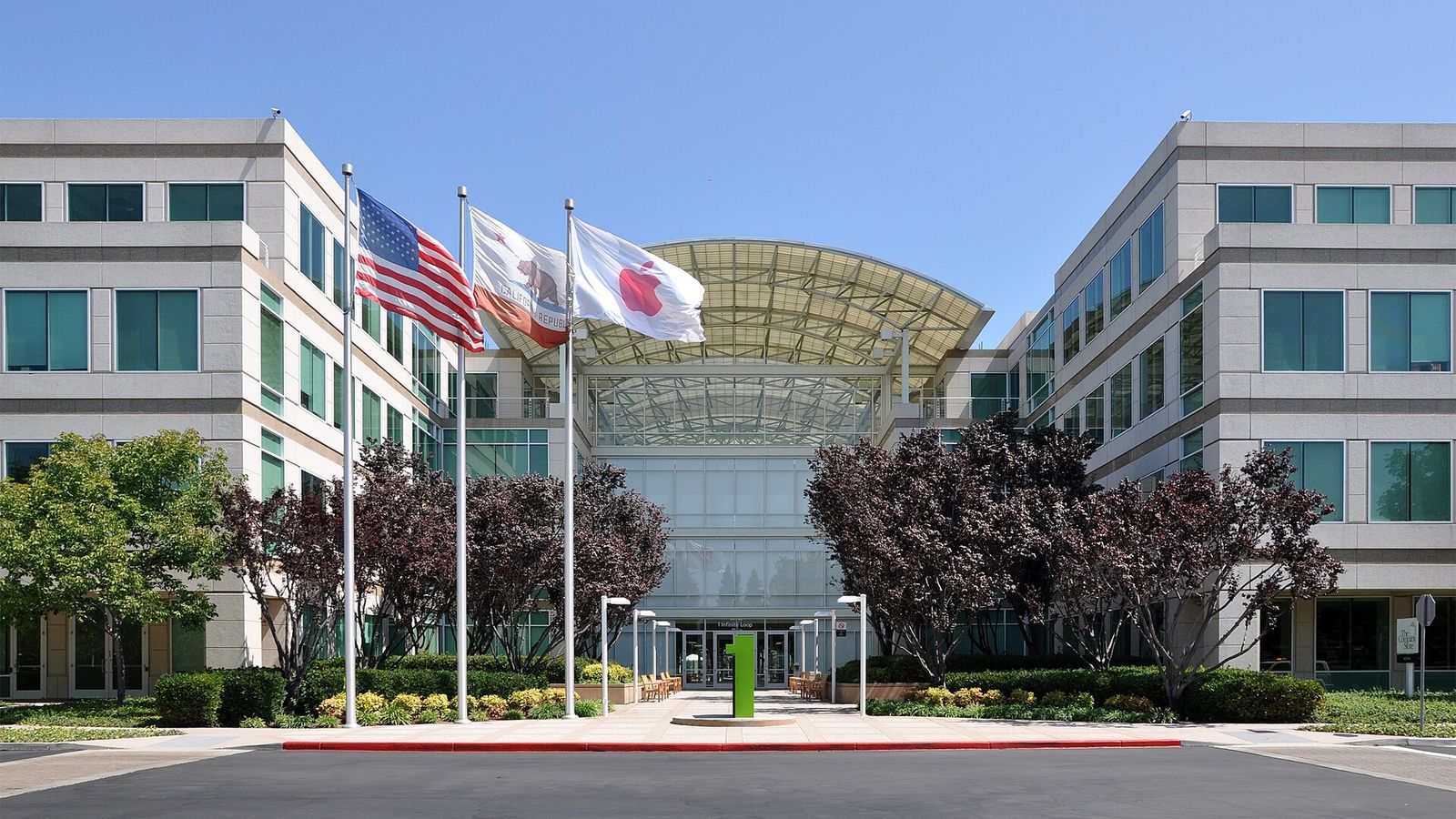
This high-end, high-cost strategy contrasts sharply with the approach taken by consumer-facing platforms. Concurrent reports suggest Apple, the consumer electronics giant, is taking a notably conservative path with its anticipated Siri revamp. By pursuing modest, iterative goals rather than deploying frontier-class models directly to end users, Apple is prioritizing reliability and on-device efficiency over raw reasoning power. This split—between Anthropic pushing the absolute limits of commercialized reasoning and Apple focusing on constrained consumer utility—illustrates the fracturing of the AI market into distinct tiers of capability, cost, and risk tolerance.
Whether the developer community will absorb the steep costs associated with Claude Fable remains an open question. As the industry attempts to balance the demand for frontier capabilities against the harsh realities of deployment economics and safety constraints, Anthropic’s latest release will serve as a critical gauge for the commercial viability of ultra-premium, highly regulated AI models.
With reporting from The Information, TechCrunch, Simon Willison
Source · The Information