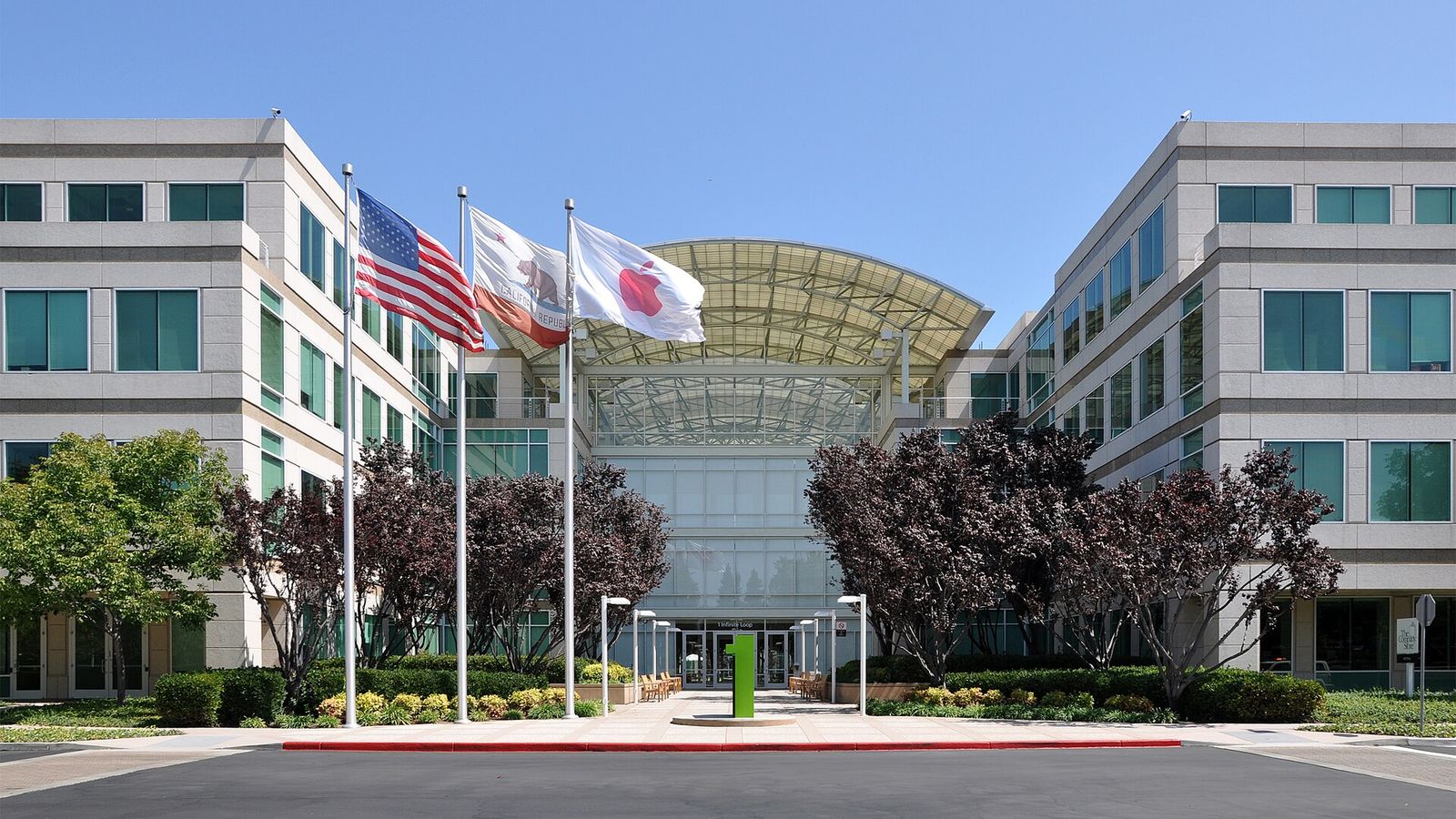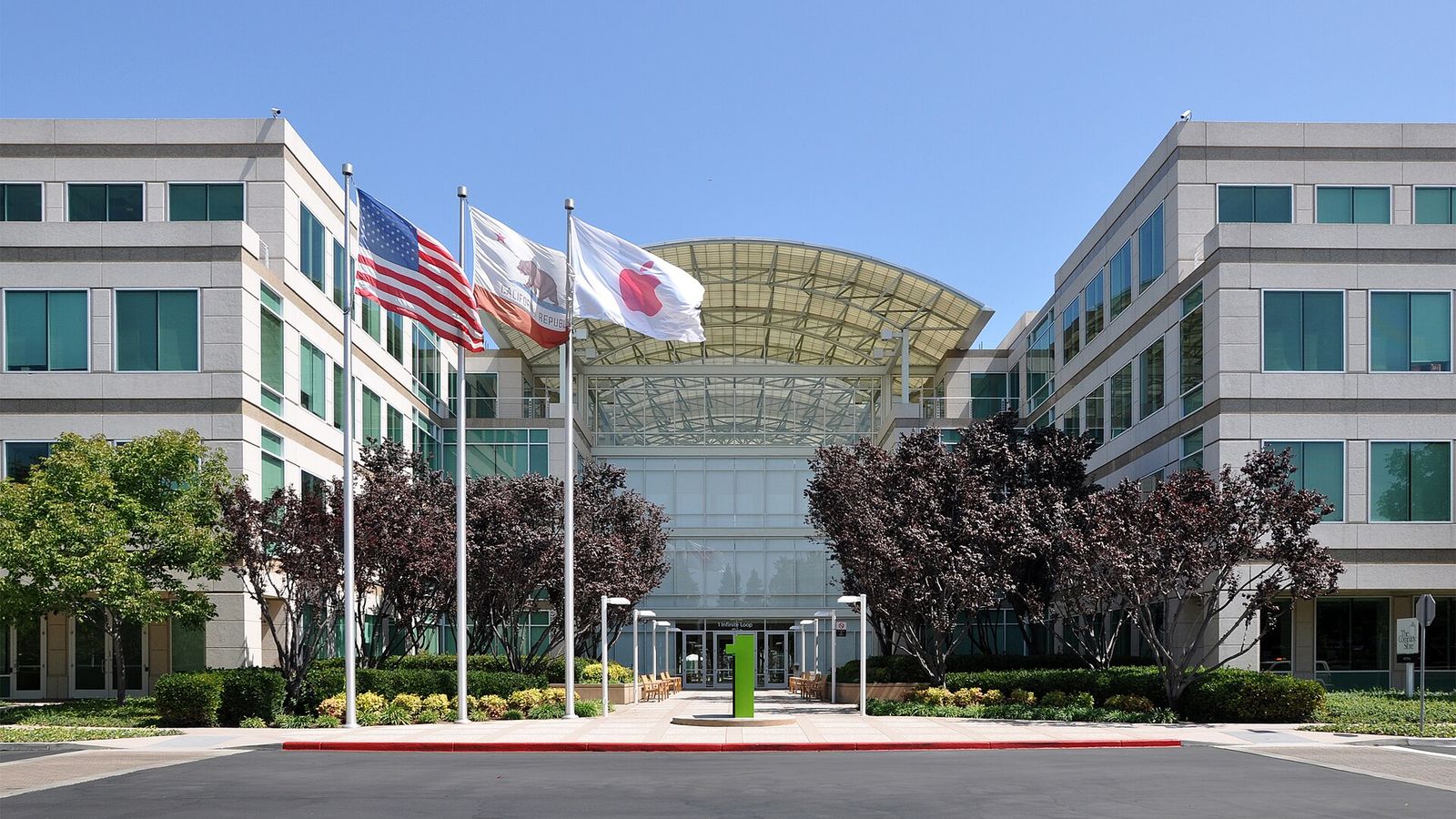
Apple has updated its App Store guidelines to explicitly ban applications that generate non-consensual sexualized imagery, commonly known as "nudify" apps. According to TechCrunch, the technology giant—which tightly controls the iOS software ecosystem—is targeting developers who submit these tools disguised as standard applications to bypass the initial review process. Under the new rules, Apple mandates that any application utilizing artificial intelligence must actively moderate offensive content.
This software-level crackdown coincides with mounting scrutiny over the physical deployment of artificial intelligence. New "always-on" AI wearables are increasingly testing the boundaries of privacy and wiretap laws, raising legal liabilities for hardware manufacturers. Against the backdrop of upcoming third-quarter financial updates from major technology firms including Meta, Tesla, and Netflix, these developments highlight a structural shift. Platform operators and hardware makers are increasingly forced to act as the primary regulators of consumer AI, establishing guardrails where formal legislation lags.
The moderation burden of dynamic generation
Apple’s policy adjustment reflects a fundamental challenge introduced by generative artificial intelligence. Historically, the App Store review process evaluated static code and predictable user flows. However, AI applications generate dynamic, unpredictable outputs, rendering traditional pre-launch vetting insufficient. By requiring developers to implement their own moderation systems for offensive content, Apple is effectively pushing the compliance burden down the software supply chain.
The specific targeting of apps that masquerade as benign utilities illustrates an ongoing cat-and-mouse dynamic between platform gatekeepers and bad actors. Developers of non-consensual imagery tools have increasingly relied on obfuscation to reach iOS users. Apple’s mandate serves as both a technical requirement and a legal shield, ensuring that the platform can swiftly remove applications that fail to police their own generative models post-installation.
Hardware liabilities and the privacy threshold
While Apple addresses the software layer, the physical integration of AI is encountering its own set of friction points. Emerging AI wearables, designed to continuously record and process environmental data, are pushing against established legal frameworks. According to CNBC, these "always listening" devices risk violating existing wiretap and privacy laws, potentially placing users in legal jeopardy.
This hardware tension mirrors the software moderation challenge: the capability of the technology has outpaced the legal and operational frameworks designed to contain it. As companies like Meta and Tesla—both deeply invested in AI and hardware integration—prepare to release their quarterly earnings, investor attention is likely to encompass not just the capital expenditure required to build these systems, but the mounting liabilities associated with deploying them. The intersection of continuous data capture and strict privacy regulations presents a formidable barrier to the widespread adoption of ambient computing.
The simultaneous tightening of App Store guidelines and the legal scrutiny facing AI wearables point to a critical maturation phase for consumer artificial intelligence. The industry focus is steadily expanding from raw technical capability to the complex realities of compliance and liability. As platforms and regulators draw firmer lines, developers and hardware manufacturers must navigate an increasingly restrictive operational environment.
With reporting from TechCrunch, CNBC Technology, The Information.
Source · TechCrunch