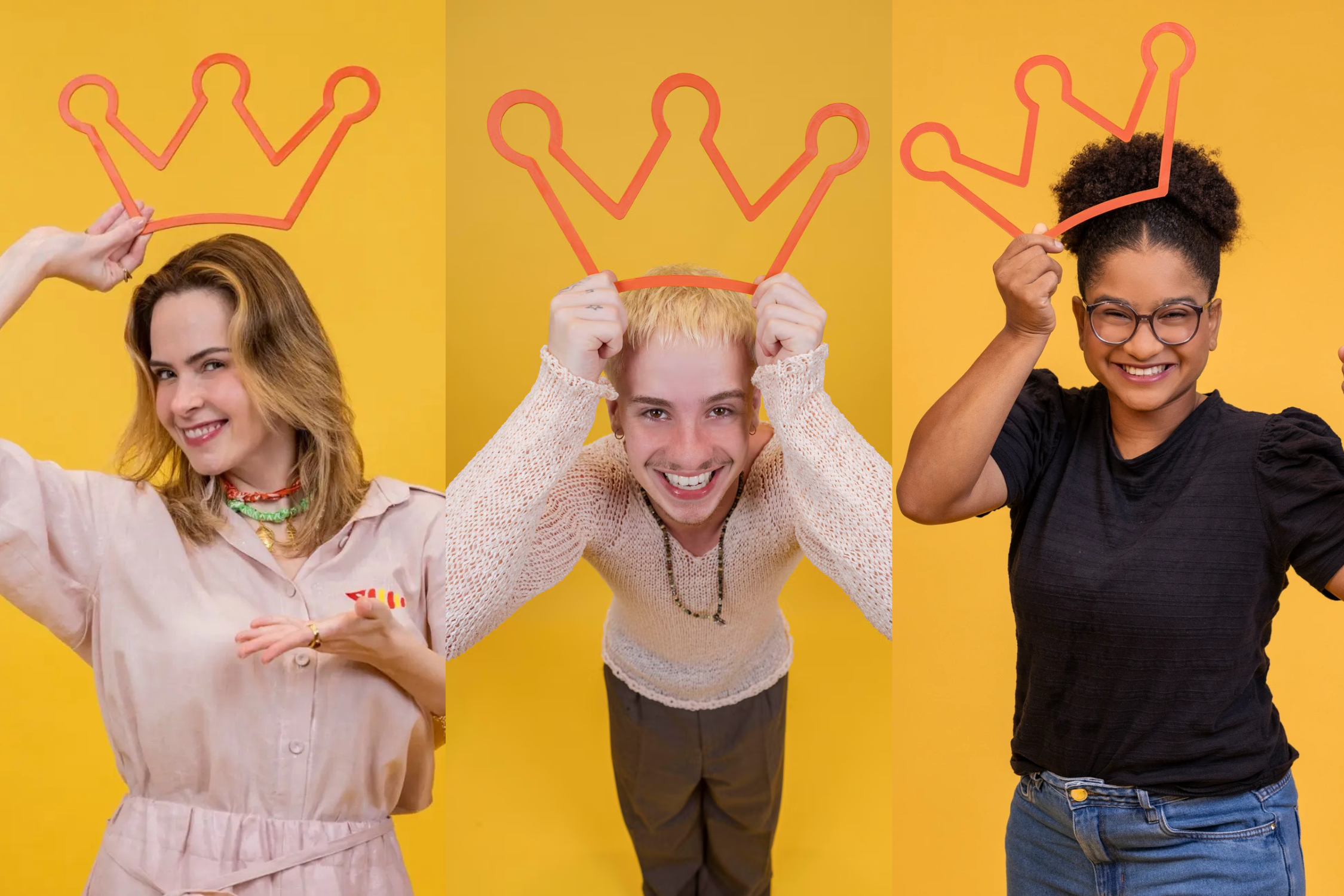
The cultural machinery of *Big Brother Brasil* is winding down its 26th cycle, narrowing a months-long social experiment into a final three-way contest. Ana Paula Renault, Juliano Floss, and Milena remain as the last inhabitants of the house, each representing a distinct archetype within the modern influencer-celebrity complex that the show has spent decades perfecting.
Beyond the televised drama, the finale serves as a significant economic event. This year’s winner stands to claim a R$ 5.44 million prize, a figure that reflects the program’s enduring ability to command massive advertising revenue and digital engagement. The Tuesday announcement will conclude a season that has once again dominated the national conversation, illustrating the sheer gravity of reality television in the Brazilian media landscape.
As polling suggests a tight race for the runner-up positions, the focus remains on the broader implications of the show's format. In an era of increasingly fragmented media, *Big Brother* remains a rare "water cooler" moment—a centralized narrative that dictates social media trends and consumer behavior across the country. The final verdict, delivered on May 21, will mark the end of another chapter in this high-stakes study of human interaction and brand placement.
With reporting from Exame Inovação.
Source · Exame Inovação


