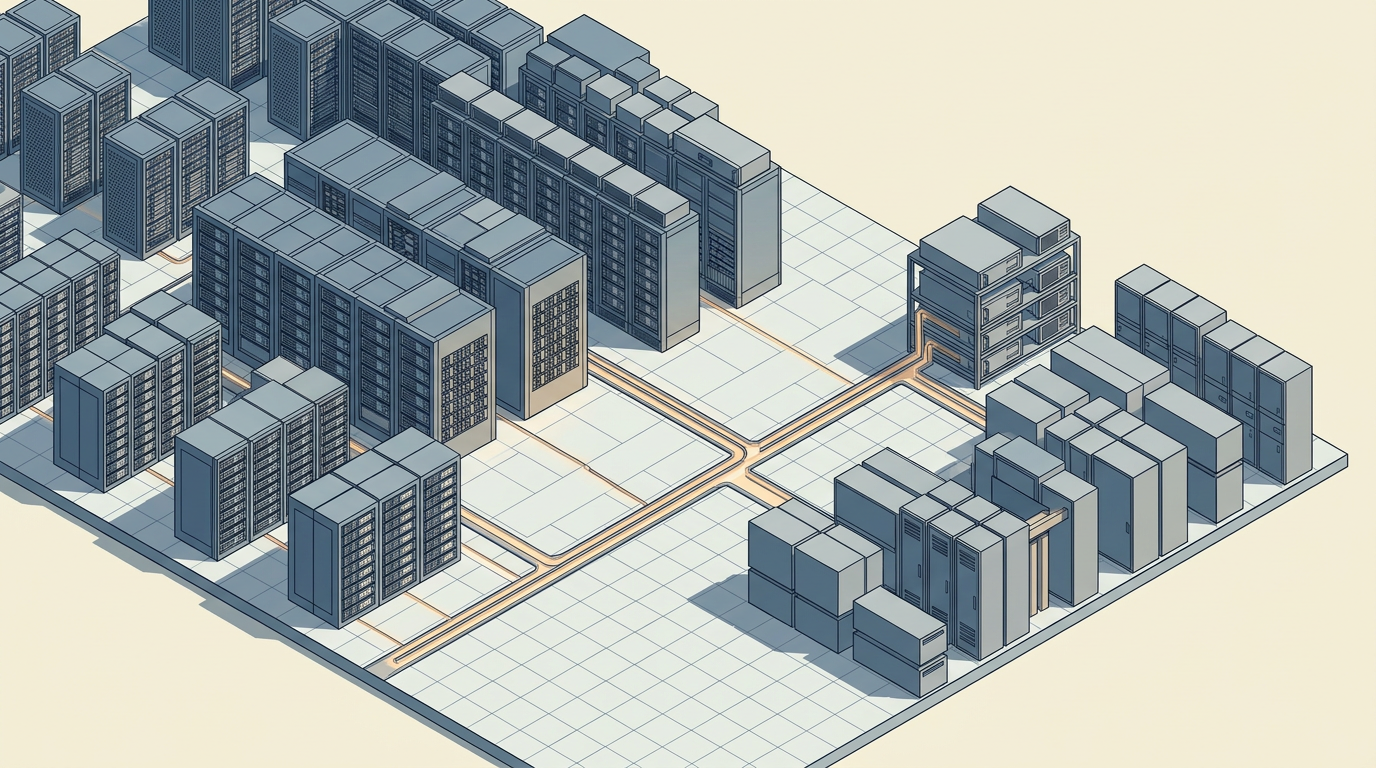
The latest wave of quarterly earnings from the technology sector’s dominant players has provided a clearer, if still complex, picture of the current state of artificial intelligence investment. According to Financial Times reporting, while capital expenditure remains at record levels, the narrative surrounding these outlays is shifting from speculative infrastructure building to tangible revenue generation. For years, the market has scrutinized the massive spending on data centers, graphics processing units, and energy requirements, often questioning when these costs would yield a discernible return on investment. The current data indicates that the hyper-scalers are beginning to integrate these capabilities into their core product offerings, moving the conversation toward operational scalability and margin improvement.
This transition marks a critical juncture in the maturation of the artificial intelligence cycle. For the better part of the last eighteen months, the prevailing consensus among analysts was that the industry was engaged in a massive, unproven arms race. Now, however, the financial results suggest that the infrastructure is not merely sitting idle but is actively powering new revenue streams across cloud services, enterprise software, and consumer-facing applications. The thesis that artificial intelligence was a cost center without a clear path to profitability is being challenged by evidence of accelerated adoption and improved operational efficiency across the tech giants' respective ecosystems.
The Structural Shift in Capital Allocation
To understand the current earnings trajectory, one must look at the structural shift in how these companies approach capital expenditure. Historically, technology companies operated with a clear separation between capital outlays and immediate revenue drivers. The current AI cycle has collapsed that distinction, as the infrastructure itself—the data center capacity and the compute clusters—has become the product. This is a departure from the software-as-a-service model that defined the previous decade, where the primary cost was human capital rather than physical hardware and energy consumption.
This shift reflects a broader trend toward vertical integration, where companies are controlling the entire stack, from the silicon to the application layer. By owning the infrastructure, these firms are not just providing a service; they are creating a barrier to entry that is increasingly difficult for competitors to replicate. The massive capital expenditure is, in this context, a defensive moat as much as it is an aggressive growth strategy. As these companies continue to scale, the unit costs of compute are expected to decline, potentially improving margins over the long term, even if the absolute dollar amount of spending remains high for the foreseeable future.
Mechanisms of Revenue Realization
The mechanism by which these investments are converting to revenue is primarily through the integration of generative AI into existing enterprise workflows. Rather than relying solely on new, standalone products, companies are embedding AI capabilities into their established software suites. This approach leverages the existing customer base, reducing the cost of acquisition and accelerating the adoption of new features. By providing an incremental value add to products that enterprises already depend on, these companies are effectively creating a new layer of recurring revenue that is tied directly to the utility of the underlying AI models.
Furthermore, the competitive dynamic has shifted toward performance metrics and reliability. Customers are no longer interested in the novelty of AI; they are focused on the efficiency gains and the measurable impact on their own operational costs. This focus on utility forces the tech giants to optimize their models for specific business outcomes, which in turn drives the demand for more specialized and powerful infrastructure. This feedback loop between model performance and infrastructure demand is what currently sustains the high levels of capital expenditure. The challenge for these firms is to maintain this momentum while balancing the expectations of shareholders who are increasingly demanding evidence of long-term profitability.
Implications for Stakeholders and Competitors
For regulators and market observers, the concentration of infrastructure control presents a complex set of challenges. The massive scale required to compete in the AI space effectively creates an oligopoly, where only a handful of firms can afford the entry price of the necessary hardware and energy resources. This raises questions about market concentration and the potential for anticompetitive behavior as these firms dictate the terms of access to the underlying AI capabilities. Competitors who lack the capital to build their own infrastructure are increasingly forced into partnerships or dependencies, which could have long-term implications for innovation and market diversity.
For consumers and enterprise users, the implications are equally significant. While the integration of AI into software promises increased productivity, it also deepens the reliance on a few dominant platforms. The shift from a diverse software ecosystem to one defined by a few AI-powered giants means that the quality of service, data privacy, and cost structures will be increasingly determined by the strategic priorities of these companies. As these firms continue to iterate, the tension between the drive for efficiency and the need for open, competitive markets will likely remain a central theme in the broader technology discourse.
The Outlook for Sustained Growth
Despite the positive signals in the latest earnings, significant uncertainties remain. The sustainability of the current growth trajectory is contingent upon the continued adoption of AI by non-tech sectors and the ability of companies to maintain their pricing power in an increasingly crowded market. If the promised productivity gains fail to materialize for enterprise customers, the demand for high-end compute could stagnate, leading to a potential oversupply of infrastructure capacity. This scenario would force a painful correction, testing the resilience of the balance sheets that have supported such aggressive expansion.
Furthermore, the external factors—ranging from energy availability to regulatory scrutiny—remain wildcards that could disrupt the current momentum. The energy requirements for large-scale AI operations are becoming a bottleneck, potentially limiting growth in regions with constrained power grids. As the industry moves into the next phase of its evolution, the focus will likely shift from the raw scale of investment to the efficiency of execution. The question of whether this AI cycle will result in a lasting transformation of the digital economy or a temporary peak in expenditure remains the defining debate for the coming years.
As the industry navigates this transition, the distinction between hype and utility will become increasingly sharp. The companies that can demonstrate consistent value creation, rather than just raw capacity, will define the next chapter of the sector's development. Whether this current trajectory represents a sustainable shift or a cyclical peak remains an open question that will require further observation of upcoming fiscal periods.
With reporting from Financial Times
Source · Financial Times — Technology


