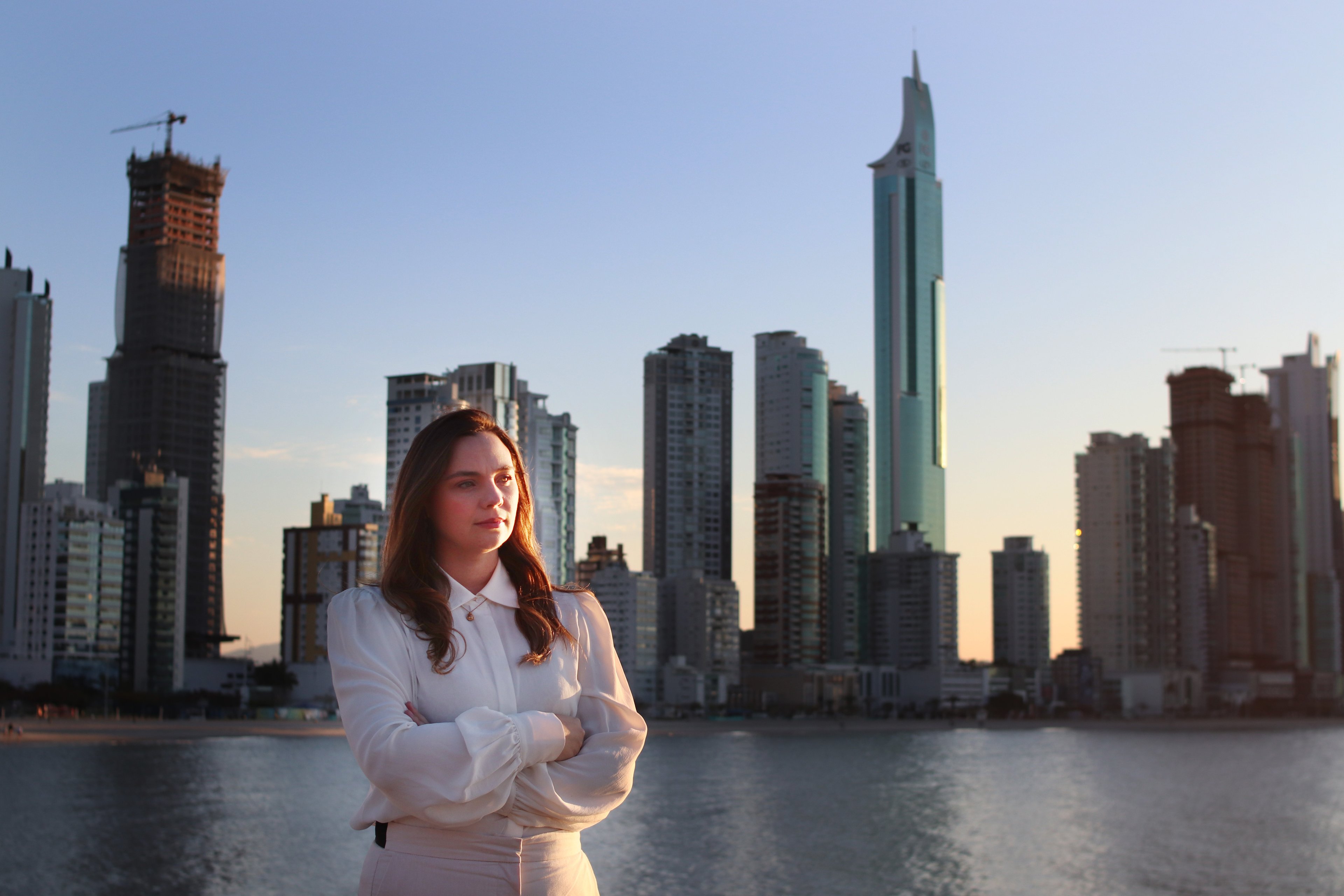
For decades, the silhouette of the Brazilian skyline was shaped by a quiet dependency. While local developers provided the capital and the land, the structural integrity of the nation’s tallest buildings often relied on the specialized calculations of foreign engineering consultants. This dynamic is beginning to shift as domestic firms, led by the FG Group, look to internalize the complex mathematics of the supertall skyscraper.
The catalyst for this transition is the Senna Tower, a project that aims to do more than break height records. It represents a maturation of the local construction ecosystem. By fostering specialized engineering expertise capable of handling the unique wind loads and structural stresses inherent in high-altitude builds, Brazilian companies are moving away from the role of project managers toward becoming architects of their own technical destiny.
This move toward technical self-sufficiency is a strategic play for the global market. As urban density increases worldwide, the demand for vertical expertise is no longer confined to traditional hubs like New York or Dubai. By mastering the structural nuances of the supertall at home, Brazilian engineering is positioning itself to export its intellectual capital, proving that the future of the skyline is as much about the internal engineering as it is about the external aesthetic.
With reporting from Exame Inovação.
Source · Exame Inovação


