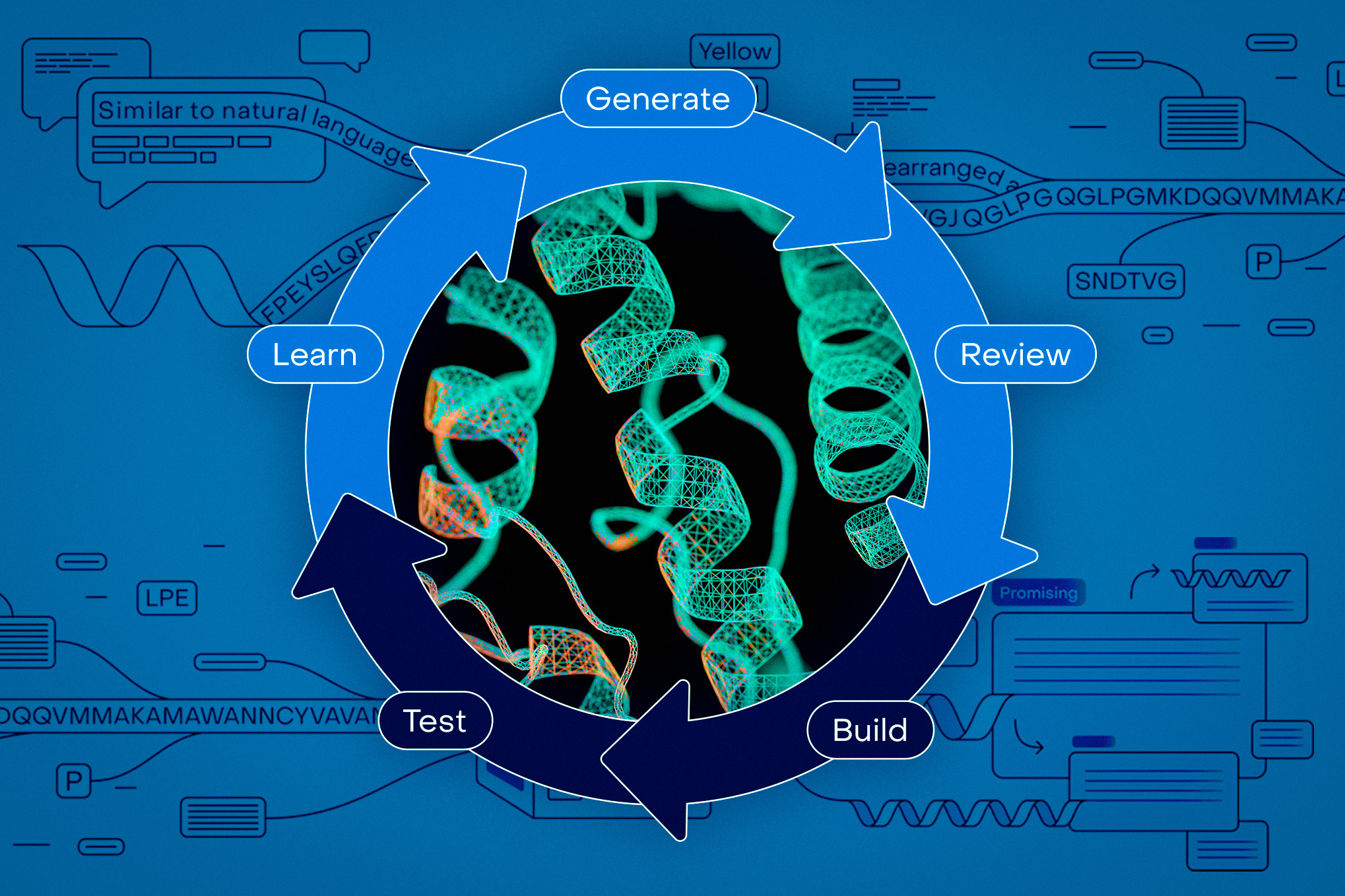
The intersection of machine learning and biology is often described as a frontier, but for many researchers, it remains a gated one. While foundation models have revolutionized our understanding of protein folding and molecular function, the technical expertise required to deploy these systems has created a persistent bottleneck. Most biologists are experts in the wet lab, not in the nuances of neural network architecture.
OpenProtein.AI, a startup founded by MIT alumni Tristan Bepler and Tim Lu, is attempting to dismantle these barriers. Their platform offers a no-code interface that grants scientists access to sophisticated foundation models for protein engineering. By abstracting the computational complexity, the company allows researchers in the pharmaceutical and biotech sectors to focus on the biological implications of their work—predicting structures and designing novel proteins with specific, desirable traits.
The implications of this democratization extend beyond mere efficiency. By shortening development cycles and offering the platform for free to academic researchers, the founders hope to accelerate the discovery of new therapeutics. The broader vision is to establish a computational language for biological systems, transforming the study of life from a discipline of observation into one of precise, intentional design.
With reporting from MIT News.
Source · MIT News