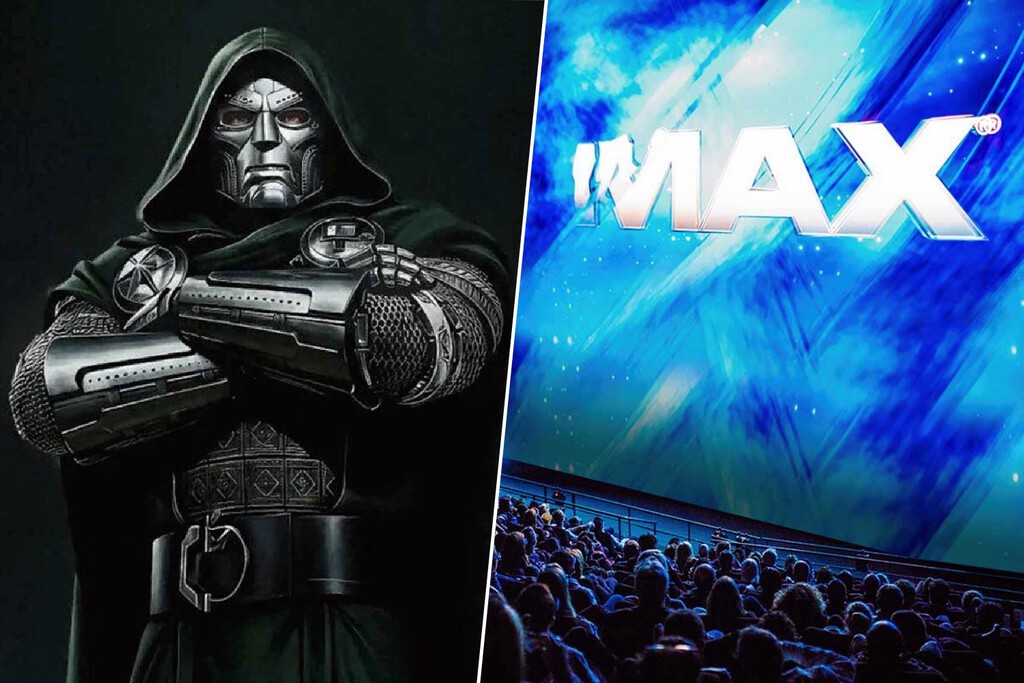
The modern blockbuster is increasingly a battle for physical territory. On December 18, 2026, two of the decade’s most anticipated films—Warner Bros.’ *Dune: Part Three* and Disney’s *Avengers: Doomsday*—are scheduled to collide. But while the box office battle will be fought in every multiplex, the war for prestige has already been won by Denis Villeneuve. Warner Bros. secured a three-week exclusivity window for every IMAX screen in the United States nearly a year before Disney moved its Marvel tentpole into the same slot.
The conflict highlights a growing bottleneck in the theatrical experience: the scarcity of premium large-format (PLF) screens. For *Dune*, the advantage is more than contractual. Villeneuve is filming the trilogy's conclusion primarily on 65mm IMAX film, a native format that utilizes the full height of the specialized screens. In contrast, the Russo Brothers’ *Avengers* entry is being shot with IMAX-certified digital cameras. In the hierarchy of the format, the 65mm negative remains the gold standard, giving Warner Bros. both the technical and legal high ground.
Faced with a lockout from the industry’s most lucrative screens, Disney is attempting a tactical pivot. The studio has begun marketing "Infinity Vision," a proprietary branding effort designed to mimic the premium allure of IMAX without the third-party infrastructure. It is a move born of necessity—an attempt to manufacture a "premium" tier of exhibition when the standard-bearer is occupied by a competitor.
This friction underscores a shift in how studios view the theatrical window. As standard screens face dwindling margins, the "event" cinema offered by IMAX has become the only guaranteed real estate. By locking down that territory years in advance, Warner Bros. has not just secured a better view; it has forced the world's largest entertainment machine to invent its own alternative.
With reporting from [Xataka].
Source · Xataka


