The announcement that Daft Punk’s 2006 directorial effort, Electroma, will receive a 4K restoration for a premiere at the 2026 Tribeca Film Festival offers a rare opportunity to re-examine one of the most enigmatic chapters in the history of electronic music. Originally debuting at the Cannes Film Festival, the film represents an outlier in the creative trajectory of Thomas Bangalter and Guy-Manuel de Homem-Christo, functioning less as a conventional music film and more as a pure exercise in visual storytelling. According to reporting from Hypebeast, the screening at the SVA Theatre on June 8 will serve as a technical showcase, elevating the original 35mm footage into a modern high-definition format.
This restoration arrives at a moment when the duo’s influence on global pop culture remains pervasive, despite their formal retirement in 2021. By revisiting a project that famously excluded their own music, the upcoming Tribeca presentation invites a critical look at how the duo’s aesthetic choices continue to shape contemporary science fiction and visual arts. The transition from a cult-classic curiosity to a restored cinematic artifact suggests that the legacy of Daft Punk is being increasingly curated as a multi-disciplinary body of work, transcending their primary identity as producers.
The Architecture of Silence in Sci-Fi Cinema
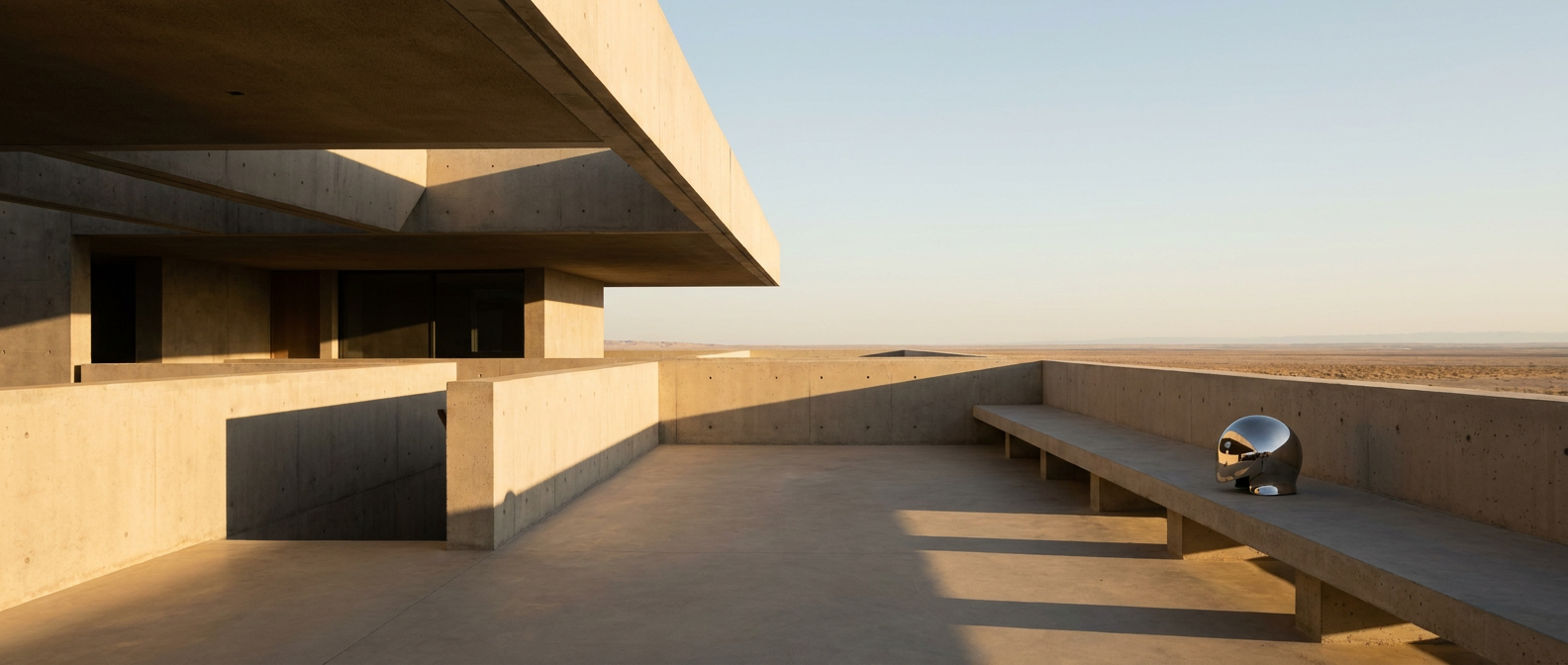
Electroma stands as a paradoxical piece of work, particularly given the duo's reputation for high-energy, rhythmic innovation. By removing their own discography and opting for a dialogue-free narrative, Bangalter and de Homem-Christo engaged in a radical act of artistic subtraction. This decision forced the audience to focus entirely on the pacing, the stark desert landscapes, and the meticulous costume design that defined the robotic personas they inhabited. In the context of 2006, this was a bold departure from the standard music-industry film, which typically serves as a vehicle for brand expansion or concert documentation.
Structurally, the film functions as a meditation on the intersection of human fragility and mechanical perfection. The narrative of two robots attempting to become human is a trope found throughout the history of speculative fiction, yet the execution in Electroma relies on a deliberate, almost meditative visual language. The move to 4K resolution is particularly relevant here, as the film’s impact is heavily dependent on the texture of its vistas and the subtle movements of its protagonists. By sharpening these visuals, the remaster does not merely update a file format; it reinforces the film’s status as a foundational text in the visual vocabulary of the 2000s electronic scene.
The Mechanics of Aesthetic Preservation
Beyond the narrative, the remastering process highlights the broader industry trend of treating legacy media as a form of high-fidelity archival art. In an era where digital content is often ephemeral, the decision to invest in a 4K restoration of a niche, independent film speaks to the perceived value of the Daft Punk brand as a holistic artistic entity. The duo’s ability to maintain a consistent, high-concept visual identity—from their early music videos to the final years of their robotic personas—has set a benchmark for how modern creators manage their artistic imprint.
This mechanism of "aesthetic preservation" is essential for understanding why Electroma remains relevant two decades later. The film acts as a bridge between the duo’s early underground roots and the polished, cinematic spectacle that defined their later years. By elevating the resolution, the festival allows audiences to appreciate the craftsmanship involved in the original production, which was often obscured by the limitations of early 2000s digital distribution or lower-quality projections. It serves as a reminder that the duo’s "robotic" persona was never a gimmick, but a rigorous, sustained performance that required a specific visual environment to thrive.
Implications for Modern Visual Storytelling
For regulators of cultural heritage and curators of film festivals, the restoration of Electroma poses interesting questions about the longevity of digital-era artifacts. As the line between "music video" and "feature film" continues to blur, the influence of artists who prioritize visual world-building becomes more apparent. Competitors and contemporaries in the music industry often look to the Daft Punk model as a gold standard for brand integrity, where every output—be it a song, a film, or a stage design—is treated with equal creative weight.
Furthermore, for the audience and the broader film community, the re-release underscores the importance of maintaining original artistic intent through technological upgrades. As streaming platforms and digital archives become the primary mode of consumption, the risk of losing the intended texture and pacing of older works is significant. The Tribeca premiere signals that there is a robust market and a dedicated audience for high-quality restorations of avant-garde works, provided they carry the cultural weight of figures like Bangalter and de Homem-Christo.
The Outlook for Legacy Curation
As the 2026 festival approaches, the focus will likely shift toward how this remaster influences the broader perception of the duo’s body of work. Will this lead to a wider re-evaluation of their non-musical projects, or will it remain a singular event for devotees? The tension between the duo’s desire for anonymity and the public’s constant demand for more insight into their creative process remains a defining characteristic of their legacy. The 4K version of Electroma provides a tangible piece of that legacy for a new generation of viewers.
Looking ahead, the success of this restoration could set a precedent for how other electronic artists approach their back catalogs. In a landscape where visual content is as critical as audio, the preservation of these works is not merely a nostalgic exercise, but a necessary step in documenting the evolution of modern pop culture. The question remains whether other artists of their stature will follow suit, or if the specific, uncompromising nature of Electroma makes it a unique case in the history of music-driven cinema.
The restoration of Electroma serves as a bridge, linking the duo's past to a future where their visual and sonic contributions are studied with equal intensity. As the 4K version enters the public consciousness, the dialogue surrounding their influence on science fiction and visual design will likely broaden, ensuring that their robotic alter egos remain a permanent fixture in the cultural landscape long after their retirement.
With reporting from Hypebeast
Source · Hypebeast