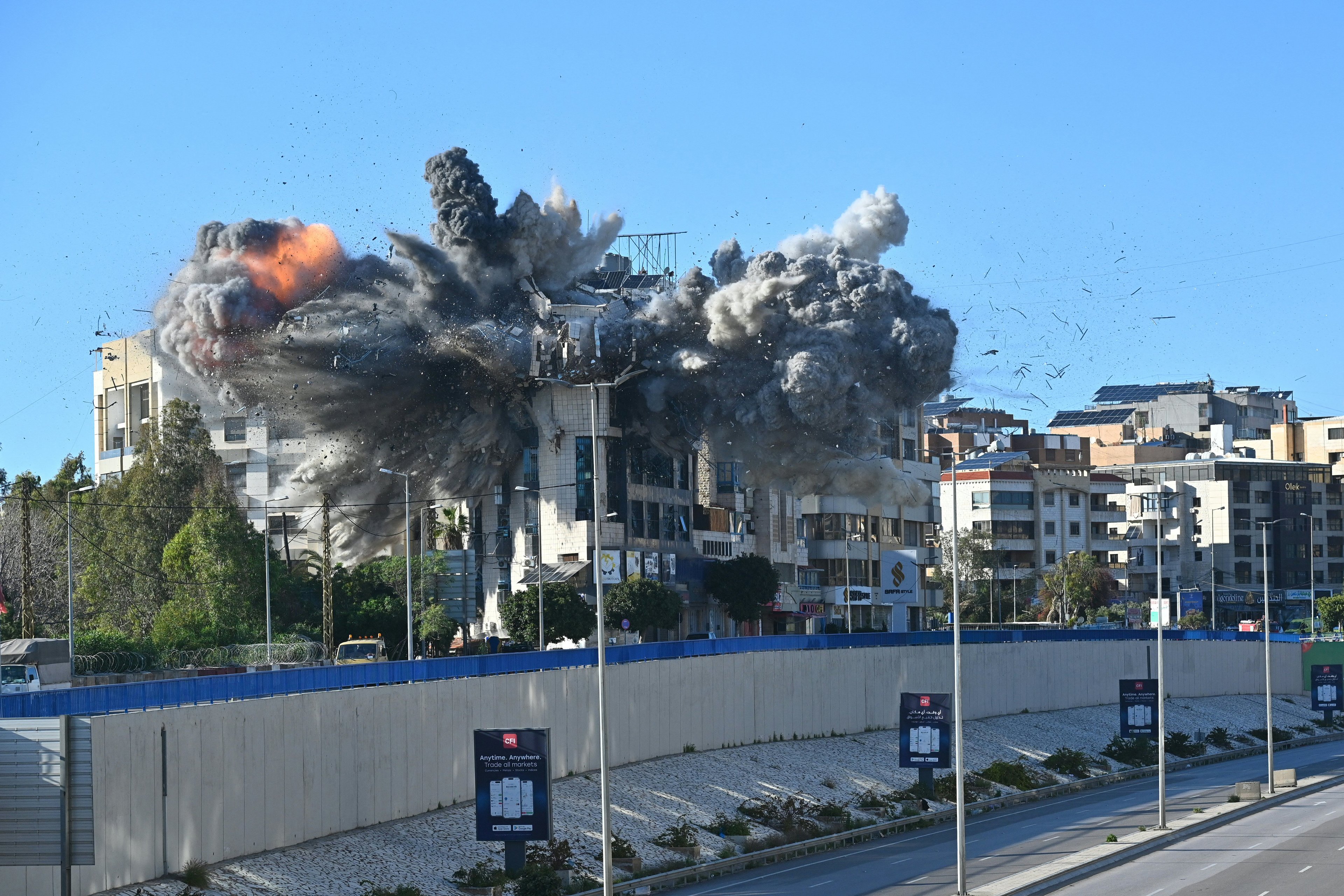
The diplomatic window for a sustained peace in the Middle East is narrowing. Iranian officials confirmed on Tuesday that their delegation has yet to depart for Pakistan for a second round of high-stakes negotiations with the United States. This delay comes with less than 48 hours remaining before the current ceasefire—a fragile pause in a broader regional conflict—is scheduled to expire.
The absence of Iranian representatives in Pakistan suggests significant friction in the preliminary communication required to extend the truce. While the initial ceasefire offered a brief respite from active hostilities, the lack of face-to-face engagement underscores the deep-seated mistrust and the complex geopolitical hurdles that remain between Tehran and Washington.
As the clock runs down, the international community is watching for any last-minute diplomatic pivot. Without a formal extension or a breakthrough in these stalled talks, the risk of a return to open warfare looms, threatening to destabilize an already volatile region and undo the marginal progress made during the cessation of hostilities.
With reporting from Exame Inovação.
Source · Exame Inovação


