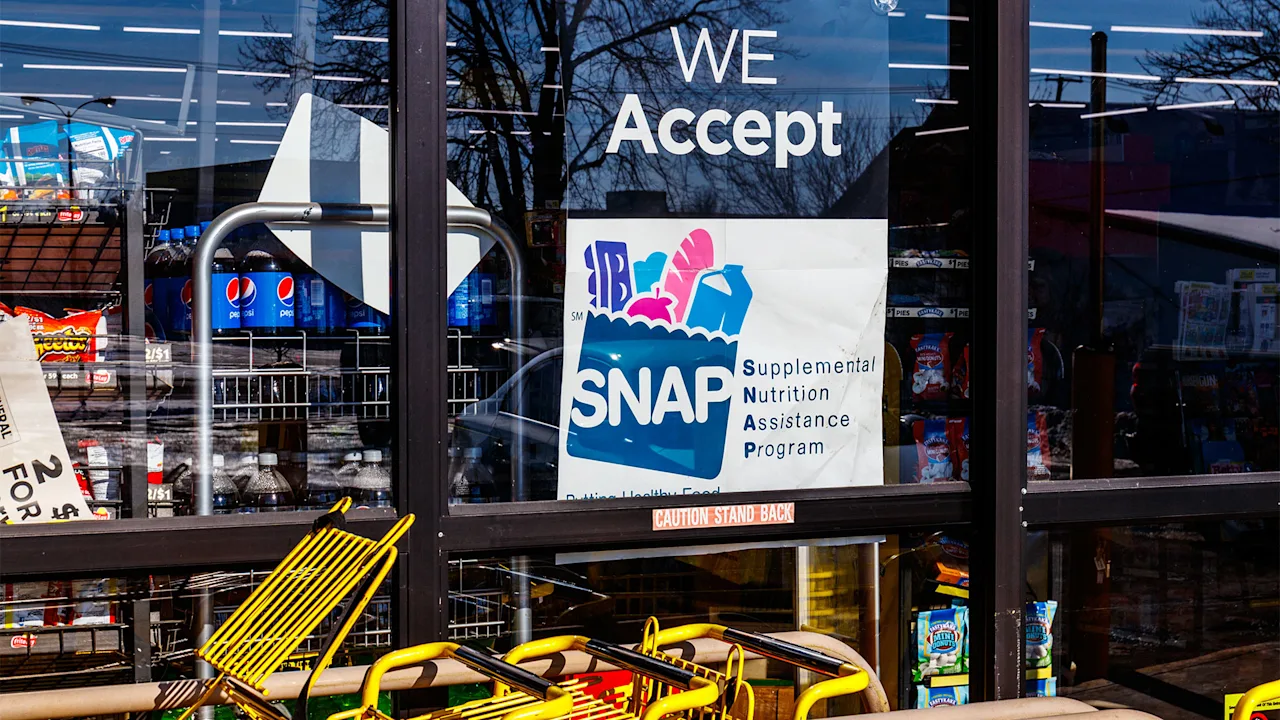
Starting today, April 20, 2026, the Supplemental Nutrition Assistance Program (SNAP) in Florida undergoes a significant structural shift. Under new state-level mandates, approximately 3 million recipients will no longer be permitted to use their benefits to purchase soda, energy drinks, candy, or ultra-processed prepared desserts. Florida is the tenth state to implement such restrictions, signaling a broader movement toward localized control over federal social safety nets.
The change is facilitated by a federal waiver process introduced by the Trump administration, designed to grant states greater autonomy in defining the parameters of public assistance. By moving away from a uniform federal standard, the administration has allowed states to submit proposals that limit qualifying food and drink items based on nutritional criteria. Since the federal government began approving these waivers in May 2025, 22 states have sought and received permission to reshape their programs.
Florida joins a growing coalition of states—including Texas, Idaho, and West Virginia—that have already enforced similar bans. With eight additional states expected to roll out their own restrictions later this year, the landscape of food assistance in the United States is becoming increasingly fragmented. While proponents argue these measures promote public health and fiscal responsibility, the shift represents a fundamental pivot in how the government manages the intersection of poverty and nutrition.
With reporting from Fast Company.
Source · Fast Company