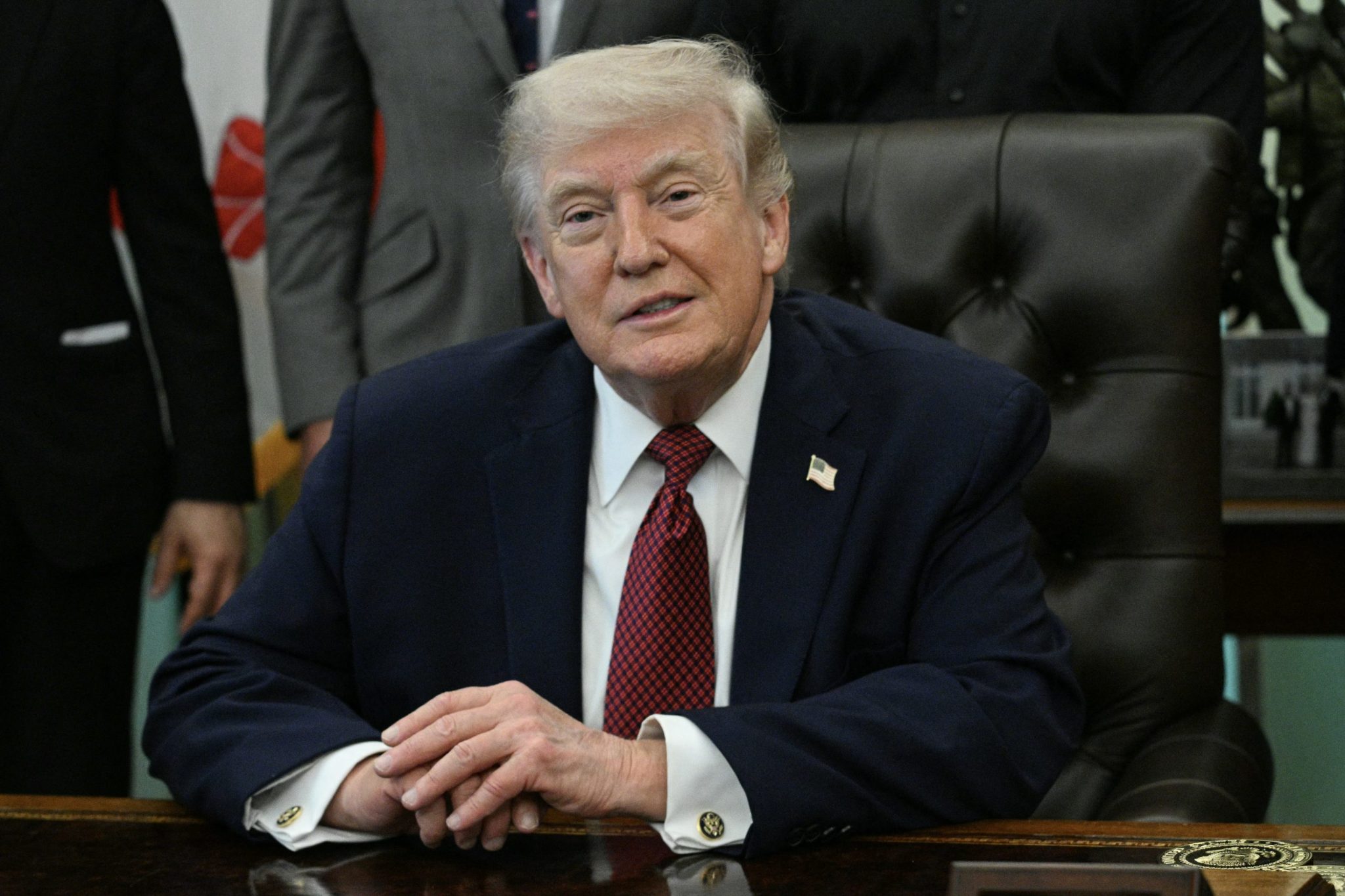
The delicate architecture of global energy markets is once again under strain as diplomatic channels between the United States and Iran appear to be closing. President Donald Trump has signaled that the window for a negotiated settlement is rapidly narrowing, describing a continuation of talks as "highly unlikely" should a breakthrough fail to materialize by Wednesday. This hardening stance has immediately reflected in the price of crude, as traders price in the escalating risk of regional instability.
The stakes of this diplomatic deadlock extend beyond rhetoric. The current administration has indicated that the failure of these talks could transition the conflict from the economic to the kinetic, with potential targets including Iranian critical infrastructure such as power plants and bridges. Such a move would represent a significant escalation, disrupting not only local stability but the logistical arteries of the global energy supply chain.
For the broader geopolitical landscape, the situation underscores the persistent volatility of reliance on fossil fuel infrastructure in contested zones. As the deadline approaches, the market’s reaction serves as a reminder of how quickly geopolitical friction can translate into economic pressure, leaving both policymakers and industry leaders to navigate an increasingly unpredictable horizon.
With reporting from Expansión.
Source · Expansión — España