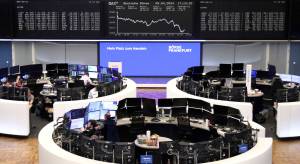
The brief sense of equilibrium that buoyed European markets last week proved fleeting. On Monday, the pan-European STOXX 600 retreated 0.8%, closing at 621.46 points, as the complexities of Middle Eastern diplomacy once again dictated the pace of global capital. The reversal reflects a market increasingly sensitive to the fragile state of negotiations between the United States and Iran, particularly as a two-week ceasefire nears its expiration.
At the heart of the current volatility is a precarious diplomatic dance involving Islamabad. While Iranian officials have signaled a willingness to engage in peace talks hosted by Pakistan, the path to a resolution remains obstructed by the ongoing U.S. blockade of Iranian ports. For investors, this bottleneck is more than a diplomatic impasse; it is a direct threat to the stability of energy flows through the Persian Gulf, a region that remains a critical maritime corridor for global oil supplies.
The anxiety was palpable across major regional hubs. Both France’s CAC and Germany’s DAX shed 1.1%, as the prospect of higher energy costs and supply chain uncertainty began to weigh on industrial outlooks. As the window for a diplomatic breakthrough narrows, the optimism that defined the previous session has been replaced by a sober assessment of the geopolitical risks still lurking in the Gulf.
With reporting from InfoMoney.
Source · InfoMoney


