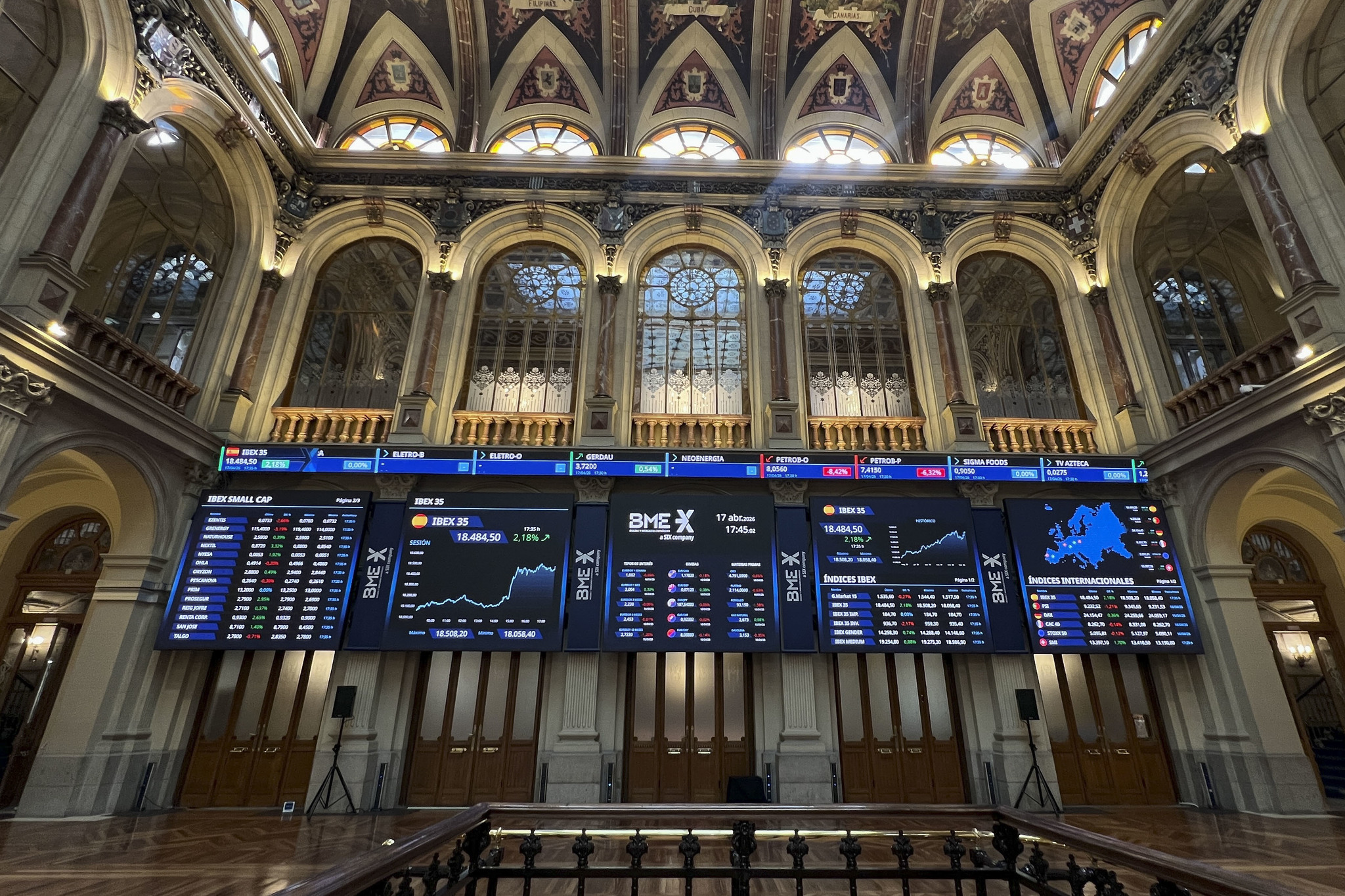
The fragile equilibrium of global energy markets was tested again this week as geopolitical friction in the Middle East resurfaced. European stock indices, including Spain’s Ibex 35, pivoted downward following reports of heightened tensions between the United States and Iran. The catalyst—the U.S. seizure of an Iranian vessel—has dampened recent optimism regarding a diplomatic truce and the consistent flow of crude through the Strait of Hormuz.
For investors, the incident serves as a reminder of the "geopolitical premium" that continues to shadow energy prices. As news of the maritime confrontation spread, Brent crude futures spiked, reflecting fears that any disruption to one of the world's most vital chokepoints could tighten global supply. The resulting volatility effectively erased gains made earlier in the session, as the prospect of a sustained de-escalation in the region appears increasingly remote.
Beyond the immediate fluctuations in oil, the market's reaction underscores a broader sensitivity to the intersection of security and trade. With the reopening of key shipping lanes now in question, the industrial and transport sectors face renewed uncertainty regarding operational costs. In a global economy still navigating inflationary pressures, these recurring tremors in the Middle East suggest that the path toward a stable, predictable energy market remains fraught with strategic risk.
With reporting from Expansión.
Source · Expansión — España


