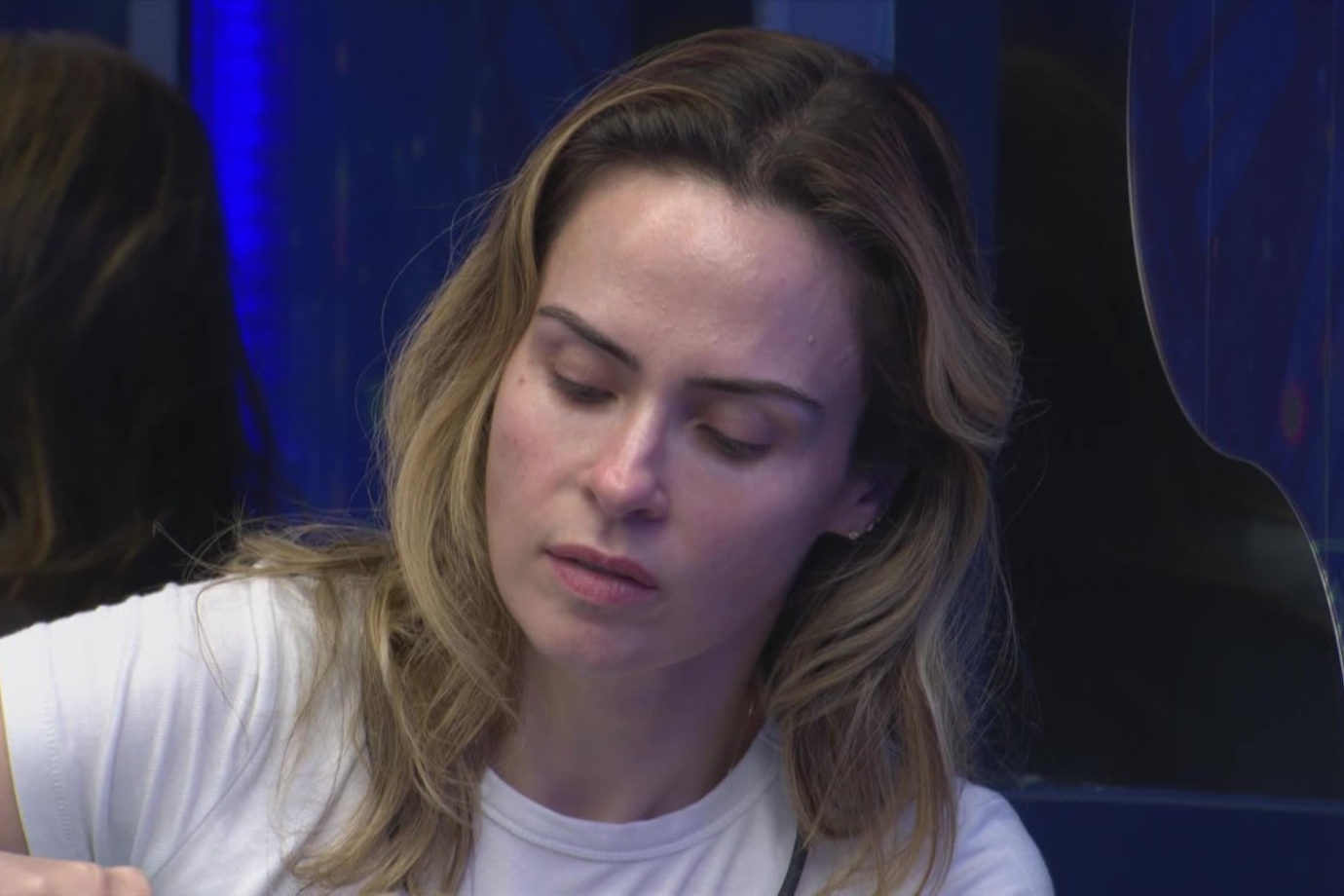
In the final hours of a 100-day cycle, the high-gloss artifice of reality television often gives way to the gravity of the external world. For Ana Paula Renault, a finalist in the 26th season of *Big Brother Brasil*, the transition was marked by a profound personal loss. During her Monday morning "Raio-X"—the daily, mandated confessional that serves as a primary link between contestants and the public—Renault addressed the death of her father, Gerardo Renault, who passed away this past Sunday.
The timing of the event underscores the peculiar isolation of the reality format. Having spent nearly three months within the controlled environment of the show, Renault found herself navigating the final stretch of the competition while processing a grief that the cameras are designed to capture but rarely contextualize. In her statement, she described her father’s passing not merely as an end, but as a directive, noting that he had left her with a "mission" to complete within the game.
This collision of private tragedy and public spectacle highlights the psychological weight of long-arc reality programming. As the grand finale approaches, the narrative of the competition has shifted from strategic maneuvering to a starker meditation on endurance. For Renault, the "mission" serves as a bridge between the artificial stakes of the television house and the permanent reality of life outside its walls.
With reporting from Exame Inovação.
Source · Exame Inovação