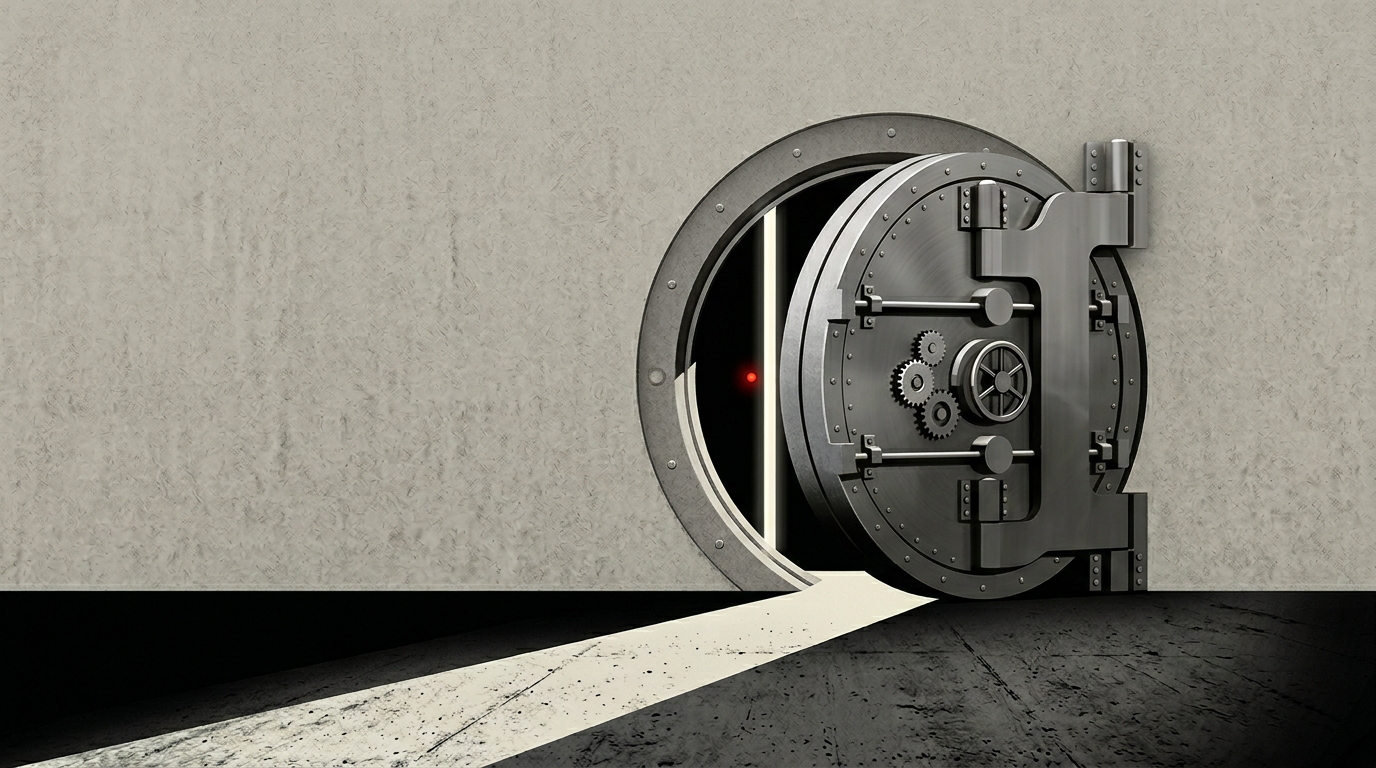
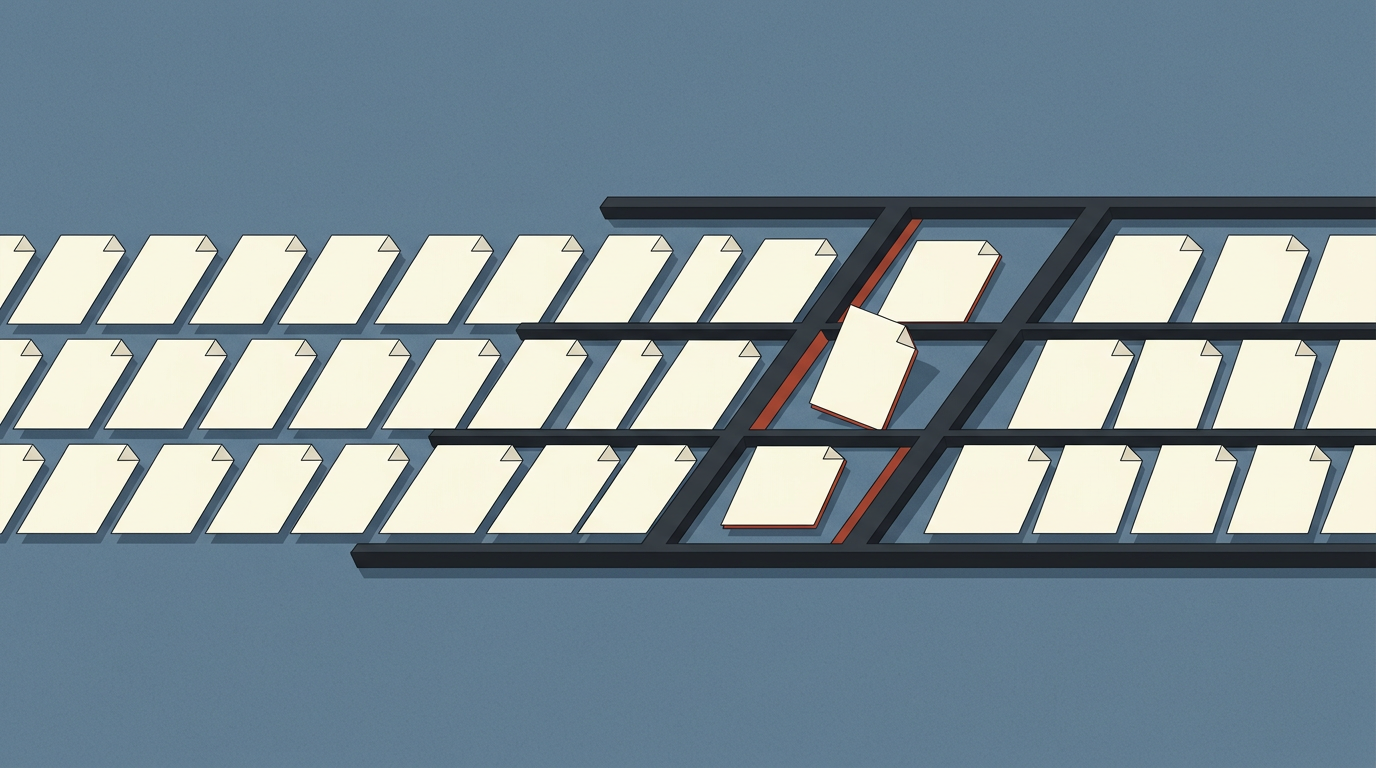
For a new teacher, the classroom is already a site of controlled chaos — a place where managing personalities and lesson plans requires a high degree of emotional and intellectual stamina. Introducing generative AI into this environment, as Peter C. Baker observes, feels less like a technological upgrade and more like an added layer of anxiety. The traditional struggle to engage students now competes with the invisible presence of the chatbot, a tool that promises efficiency but often delivers a strange kind of alienation.
The challenge is not merely about preventing plagiarism; it is about the fundamental mediation of thought. When students turn to AI to synthesize ideas or draft prose, the pedagogical feedback loop begins to fray. The teacher is no longer just a guide through a subject, but a forensic analyst of student output, trying to discern where the human ends and the algorithm begins. This shift transforms the classroom into a space of constant negotiation, where the "usual difficulties" of teaching are amplified by the unpredictable influence of large language models.
The Feedback Loop Under Strain
The pedagogical model that has underpinned Western education for centuries rests on a deceptively simple exchange: a student produces work, a teacher responds, and through that iterative friction, understanding deepens. Generative AI disrupts this loop not by eliminating it, but by introducing ambiguity into its most critical node — the authenticity of the student's output. A teacher reading an essay can no longer assume that the structure of an argument, the selection of evidence, or even the rhythm of a sentence reflects the student's own cognitive process. The result is a kind of epistemic fog that makes formative assessment — the diagnostic heart of good teaching — substantially harder to perform.
This is not an entirely new problem. The calculator provoked similar anxieties in mathematics education decades ago, and the internet raised questions about research integrity long before ChatGPT existed. But the analogy has limits. A calculator automates computation; a large language model automates the appearance of reasoning. The distinction matters because education, at its core, is less concerned with the product a student delivers than with the intellectual labor required to produce it. When that labor can be convincingly outsourced, the artifact a student submits becomes a less reliable signal of what they have actually learned.
The detection tools that have emerged in response — AI-generated text classifiers, stylometric analysis, revised plagiarism engines — remain unreliable enough to create their own problems. False positives can damage trust between teacher and student, while false negatives render the exercise pointless. Educators are left in a position where neither trusting nor policing student work feels adequate.
Personalization Versus Presence
Meanwhile, the technology industry continues to frame AI as a net positive for education. The pitch is familiar: personalized tutoring at scale, instant feedback, adaptive curricula that meet each learner where they are. These are not trivial promises. For under-resourced schools with large class sizes, the appeal of a tool that can offer individualized attention is real. But the framing tends to treat education as an information-transfer problem — one that can be optimized through better delivery mechanisms.
The lived experience of the classroom suggests otherwise. Teaching is relational work. A teacher reads the room, adjusts tone, notices when a student's silence signals confusion rather than comprehension. These micro-judgments are not easily replicated by a system trained on pattern matching across text corpora. The "personalization" offered by an AI tutor is, in practice, a simulation of responsiveness — useful in narrow contexts, but fundamentally different from the human attention that effective pedagogy demands.
The tension, then, is not between technology and tradition for its own sake. It is between two competing theories of what education is for. If the goal is efficient transmission of information and testable skills, AI tools fit neatly into the workflow. If the goal is the slower, less measurable development of critical thought, intellectual independence, and the capacity to struggle productively with difficulty, then the chatbot's frictionless assistance works against the very thing the classroom is designed to cultivate.
The integration of AI in education surfaces a question that predates the technology itself but that the technology makes harder to avoid: whether the discomfort of not knowing — the productive frustration of working through a problem without a shortcut — is a feature of learning or a bug that engineers should eliminate. How educators, institutions, and policymakers answer that question will shape not just classroom practice, but the kind of thinking the next generation is equipped to do.
With reporting from The Guardian Tech.
Source · The Guardian Tech