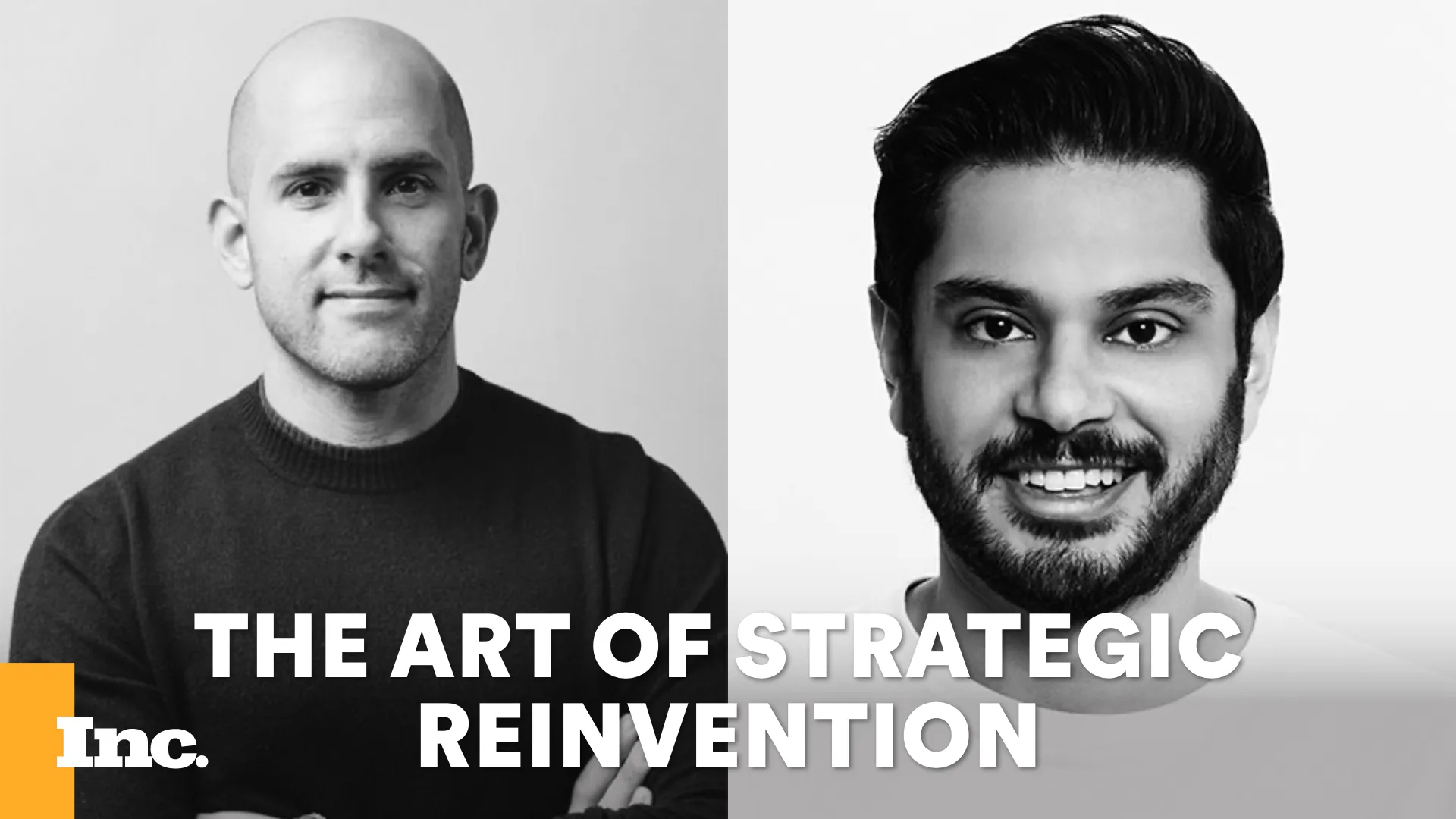
The concept of company culture has long been a nebulous catch-all for office aesthetics and social lubrication. But as the workplace becomes increasingly decentralized and the economic climate more volatile, the superficial markers of corporate identity—the ping-pong tables and catered lunches—have lost their efficacy. For modern founders, the challenge has shifted from creating an attractive environment to building a structural foundation that can survive disruption.
Leaders from high-growth brands like Olipop, HexClad, and Cymbiotika are finding that resilience is a byproduct of systemic clarity rather than top-down mandates. In a "messy" workplace, belonging is fostered through radical transparency and the decentralization of decision-making. By moving away from the performative aspects of culture, these organizations are focusing on the mechanics of how teams interact when things go wrong, treating internal operations with the same rigor as product design.
This evolution reflects a broader realization: culture is not a static state to be achieved, but a dynamic system to be maintained. In an era of constant flux, the most successful companies are those that prioritize psychological safety and clear communication over traditional hierarchy. By institutionalizing these values, founders are creating a framework for belonging that persists regardless of where, or how, their employees are working.
With reporting from Inc. Magazine.
Source · Inc. Magazine