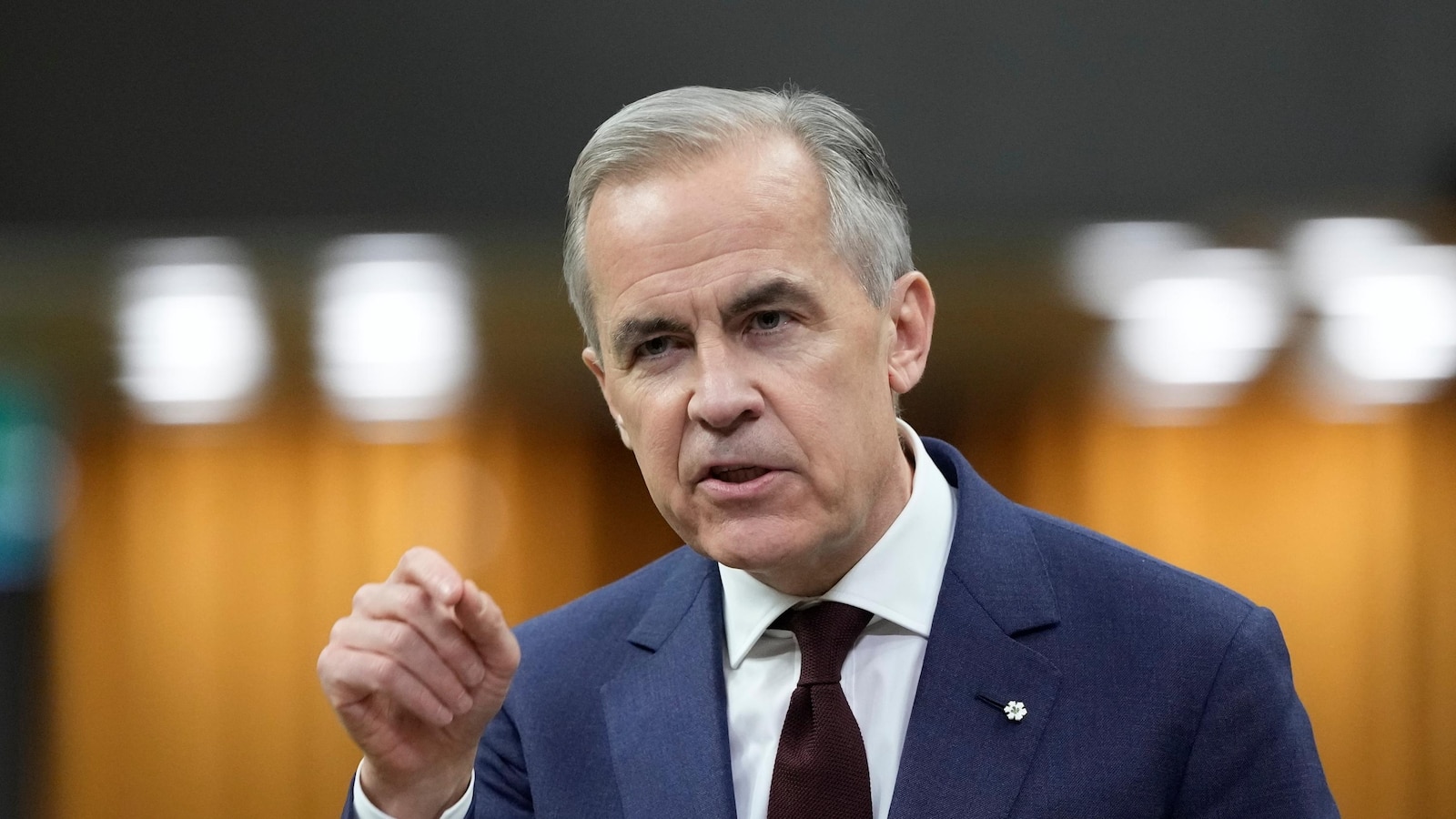
For decades, the economic relationship between Canada and the United States has been framed as a model of continental stability—a seamless integration of supply chains and labor markets. However, Prime Minister Justin Trudeau recently signaled a departure from this long-standing orthodoxy, characterizing Canada’s deep-seated reliance on its southern neighbor not as an inherent asset, but as a structural weakness that requires correction.
The shift in rhetoric reflects a growing anxiety within Ottawa regarding the volatility of American trade policy. While the two nations share a highly integrated manufacturing sector, particularly in the automotive and energy industries, Trudeau’s comments suggest that this proximity has become a point of failure. For Canada, the "weakness" lies in a lack of diversification, leaving the national economy disproportionately exposed to the protectionist shifts and political cycles of Washington.
Addressing this imbalance will likely require a more aggressive pursuit of trade agreements beyond the North American bloc and a renewed focus on industrial sovereignty. As global supply chains become increasingly politicized, Canada’s move toward "de-risking" its American ties reflects a broader international trend: a world where geographic proximity no longer serves as a guarantee of economic security.
With reporting from Hacker News.
Source · Hacker News