The city of São Paulo has initiated the process to terminate its concession agreement for the Vale do Anhangabaú, a move that signals a significant friction point in the global trend toward the private management of public spaces. For years, major metropolitan centers have looked to private firms to revitalize and maintain civic hubs, trading commercial rights for the promise of cleaner, safer, and more efficient urban environments. In the case of Anhangabaú, that promise has faltered under the weight of operational challenges.
The collapse of the Anhangabaú deal places a renewed spotlight on the complexities of the "private commons." While the model aims to alleviate the financial burden on municipal budgets, it often struggles to balance the profit-driven motives of a concessionaire with the messy, unquantifiable needs of a diverse citizenry. When public squares become assets on a balance sheet, the social fabric can begin to fray, raising questions about who the city truly belongs to.
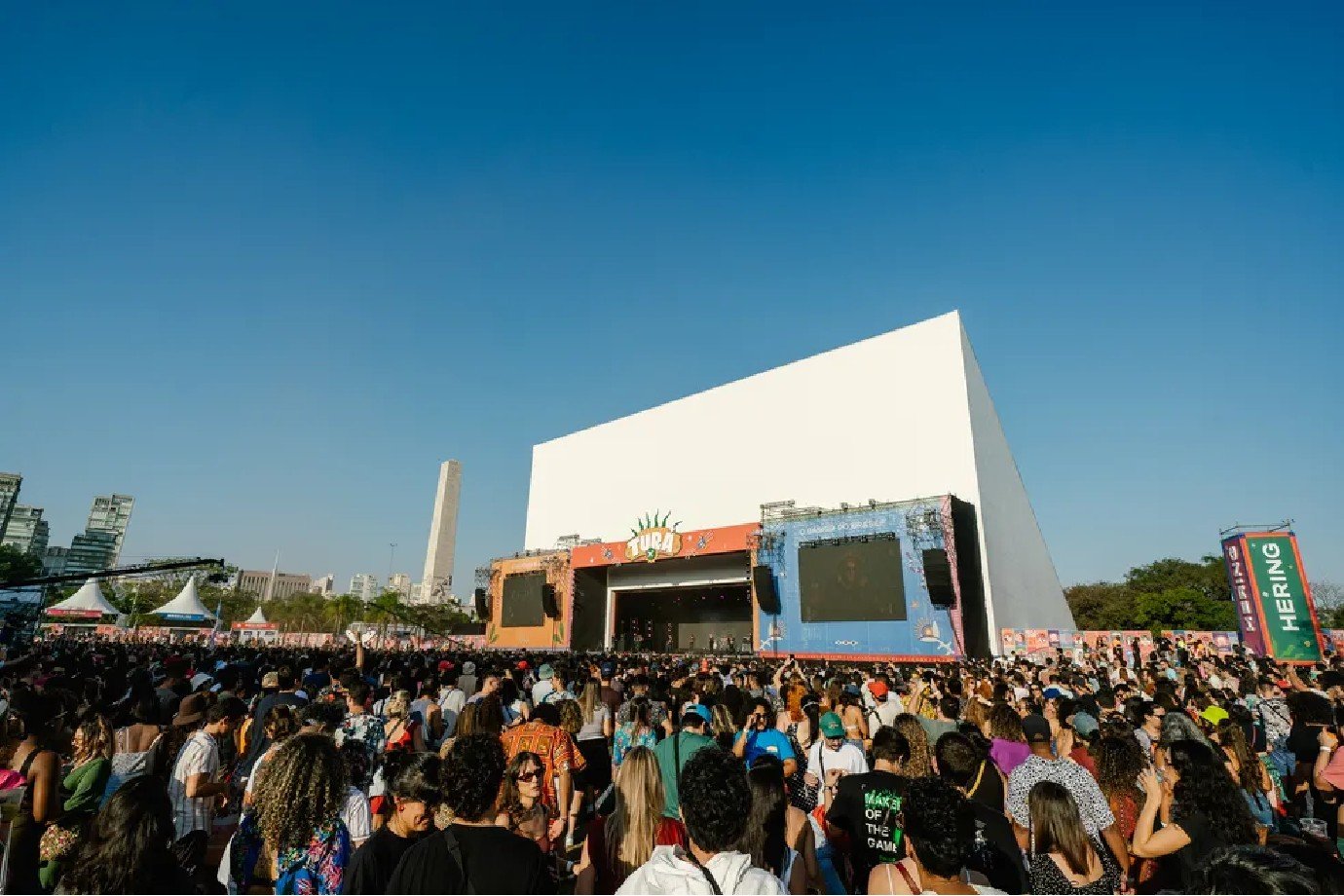
Contrast this with Ibirapuera Park, the city’s crown jewel, which continues to function as a high-profile test case for this same model. While Ibirapuera has seen significant investment and maintenance under private management, the diverging fates of these two locations suggest that privatization is not a universal solvent for urban management. Instead, it remains a delicate, often volatile experiment in how much of the public sphere can—or should—be outsourced to the private sector.
With reporting from Exame Inovação.
Source · Exame Inovação


