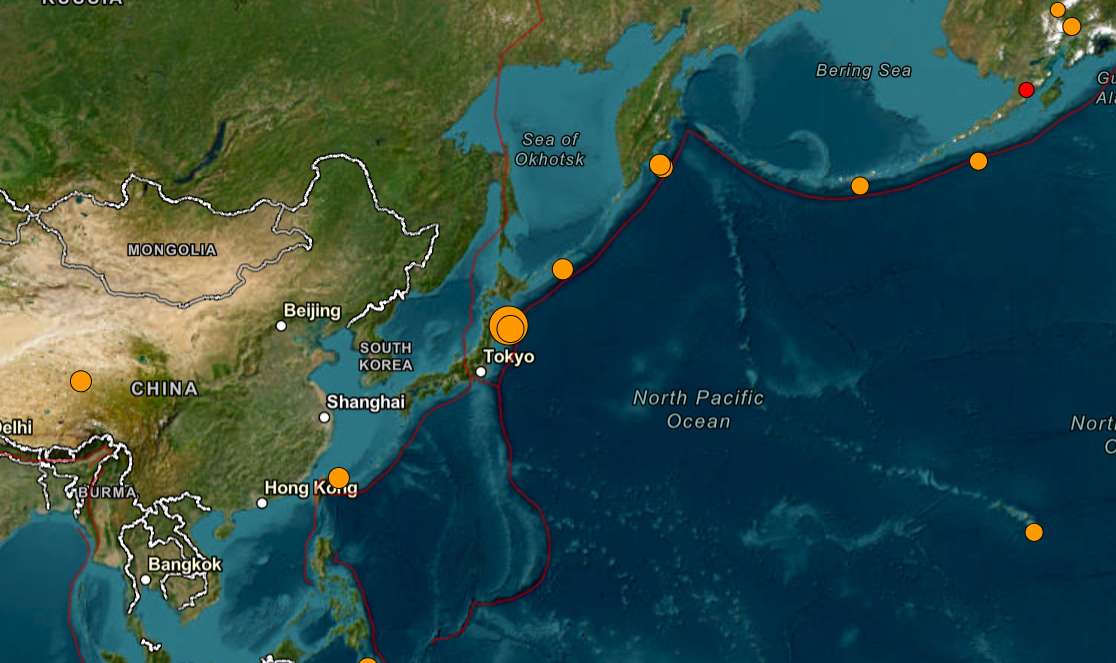
Japan’s relationship with the earth is one of constant, calibrated vigilance. On Monday, that vigilance was called upon once again as a magnitude 7.4 earthquake struck the northern reaches of the archipelago. The Japan Meteorological Agency (JMA) acted swiftly, issuing tsunami warnings for the coastal regions most likely to be affected by the displacement of water.
The tremor serves as a stark reminder of the geological volatility inherent to the Pacific Ring of Fire. While Japan is arguably the world’s most prepared nation regarding seismic activity—pioneering everything from base-isolation engineering in skyscrapers to hyper-local early warning alerts—a magnitude 7.4 event remains a significant test of both physical infrastructure and social coordination.
In the immediate aftermath, the priority remains the safety of coastal residents. As authorities monitor sea levels and evaluate potential structural damage inland, the event underscores the ongoing necessity of the nation’s specialized disaster-mitigation systems. For now, the focus is on the surge, as northern communities move to higher ground in accordance with long-practiced protocols.
With reporting from Exame Inovação.
Source · Exame Inovação