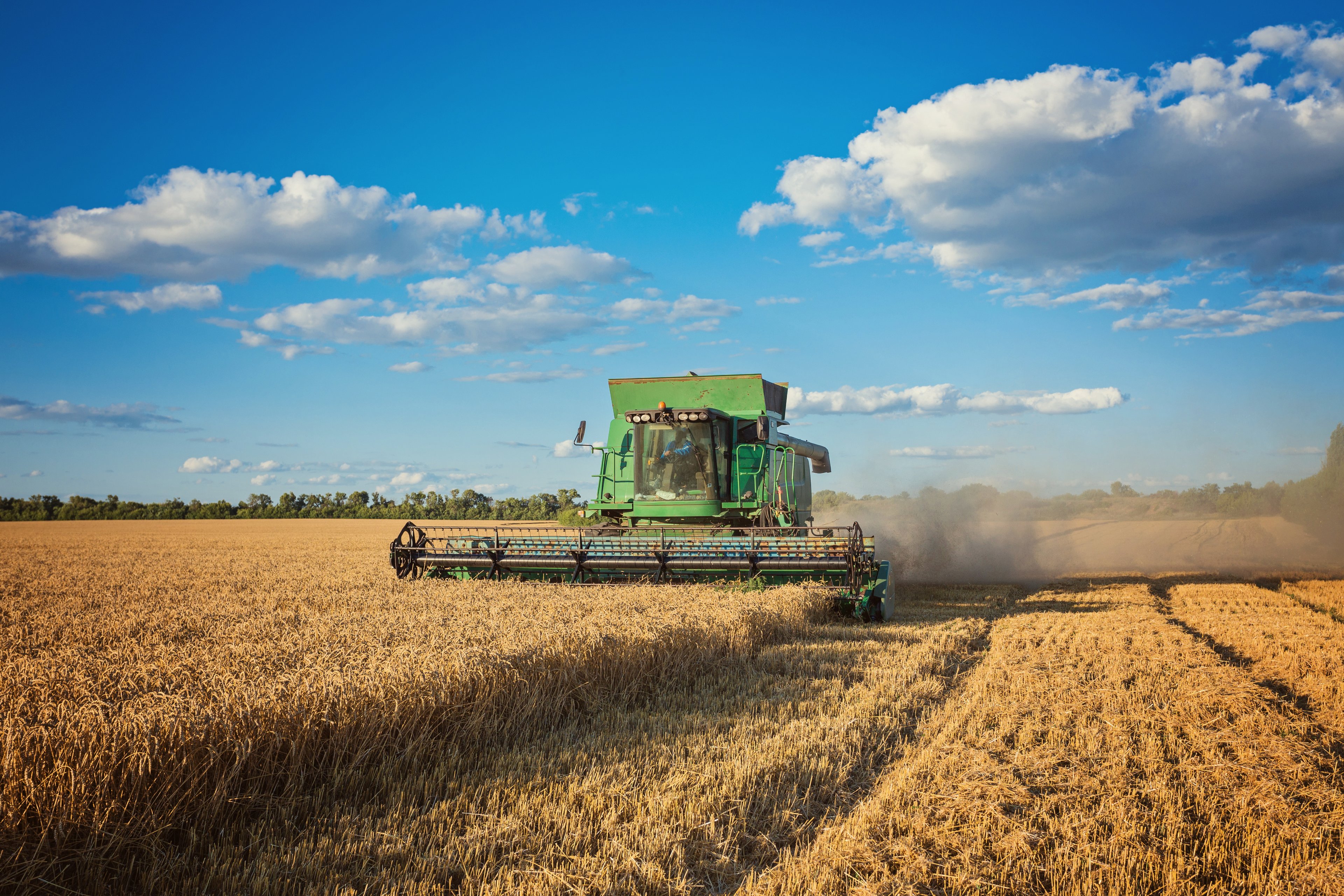
In the semiarid region of Apodi, Rio Grande do Norte, the traditional rhythms of family farming are being recalibrated through an unusual international partnership. The "Technology Residency for the Mechanization of Family Farming Brazil-China" is introducing specialized Chinese machinery to small-scale plots, aiming to solve a persistent bottleneck in rural productivity: the lack of equipment tailored to smaller operations.
The program functions as a bridge between high-tech manufacturing and local necessity. By connecting Chinese students with Brazilian producers, the initiative facilitates a direct transfer of knowledge and technology. Unlike the massive combines used on industrial soy plantations, these machines are designed for the ergonomic and economic realities of family-run farms, allowing for a more precise and less grueling cultivation process.
The early results suggest a meaningful shift in the local economy. By automating labor-intensive tasks, farmers are seeing a notable increase in income and a reconfiguration of their daily production dynamics. As these tools become integrated into the landscape of the Northeast, they represent more than just a logistical upgrade; they are a testament to how targeted bilateral cooperation can address the specific needs of the global south’s agricultural backbone.
With reporting from Exame Inovação.
Source · Exame Inovação