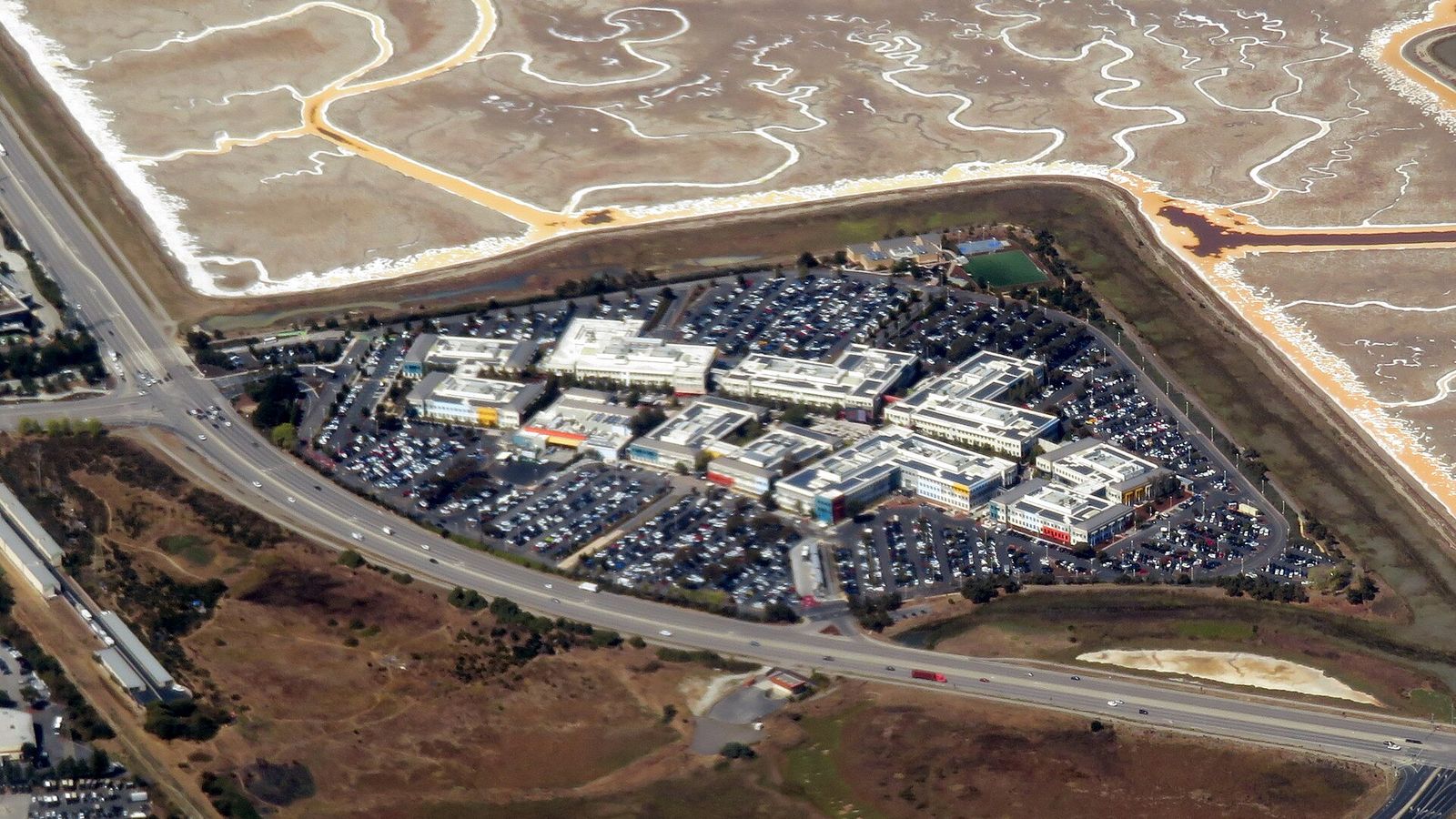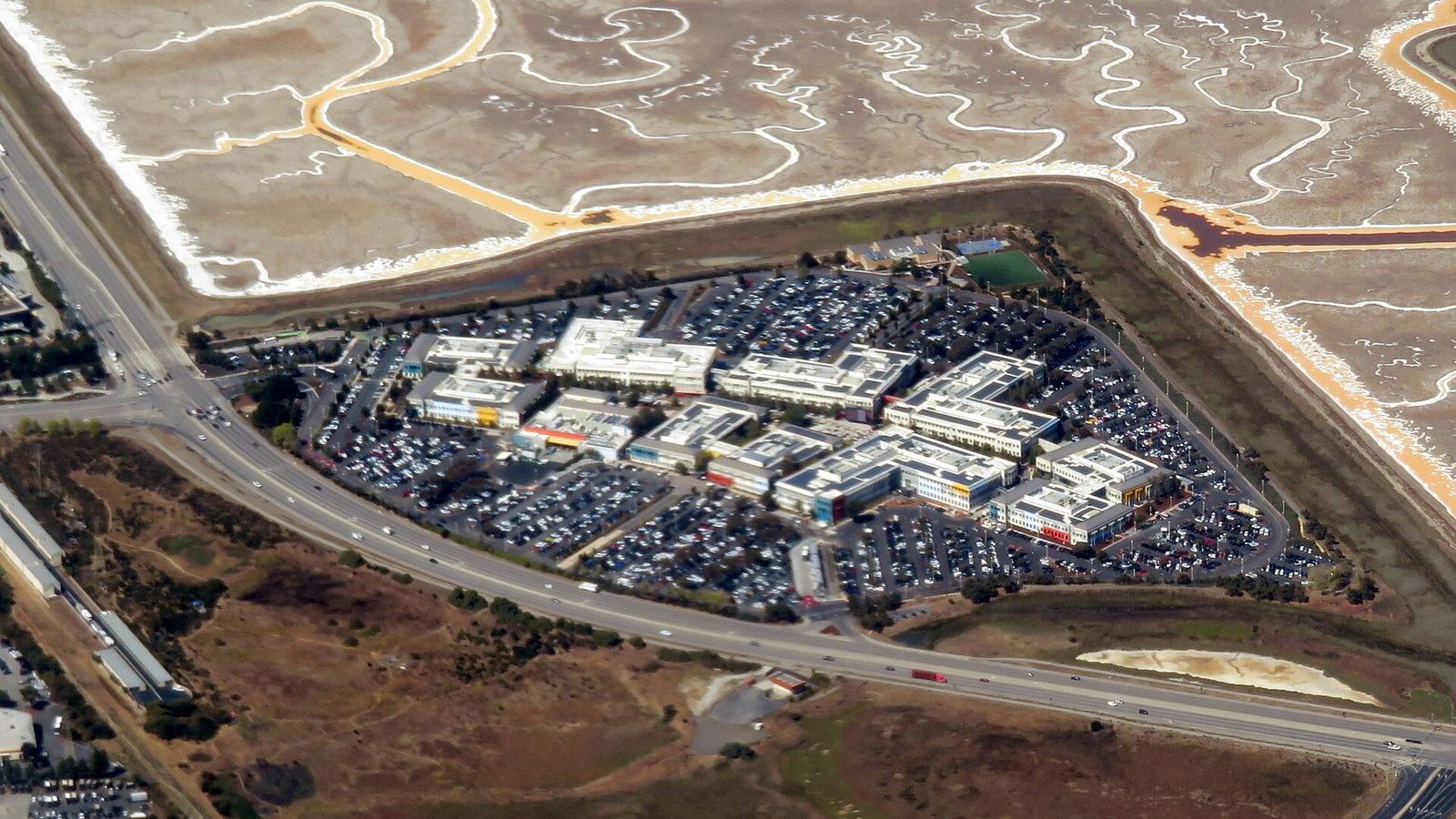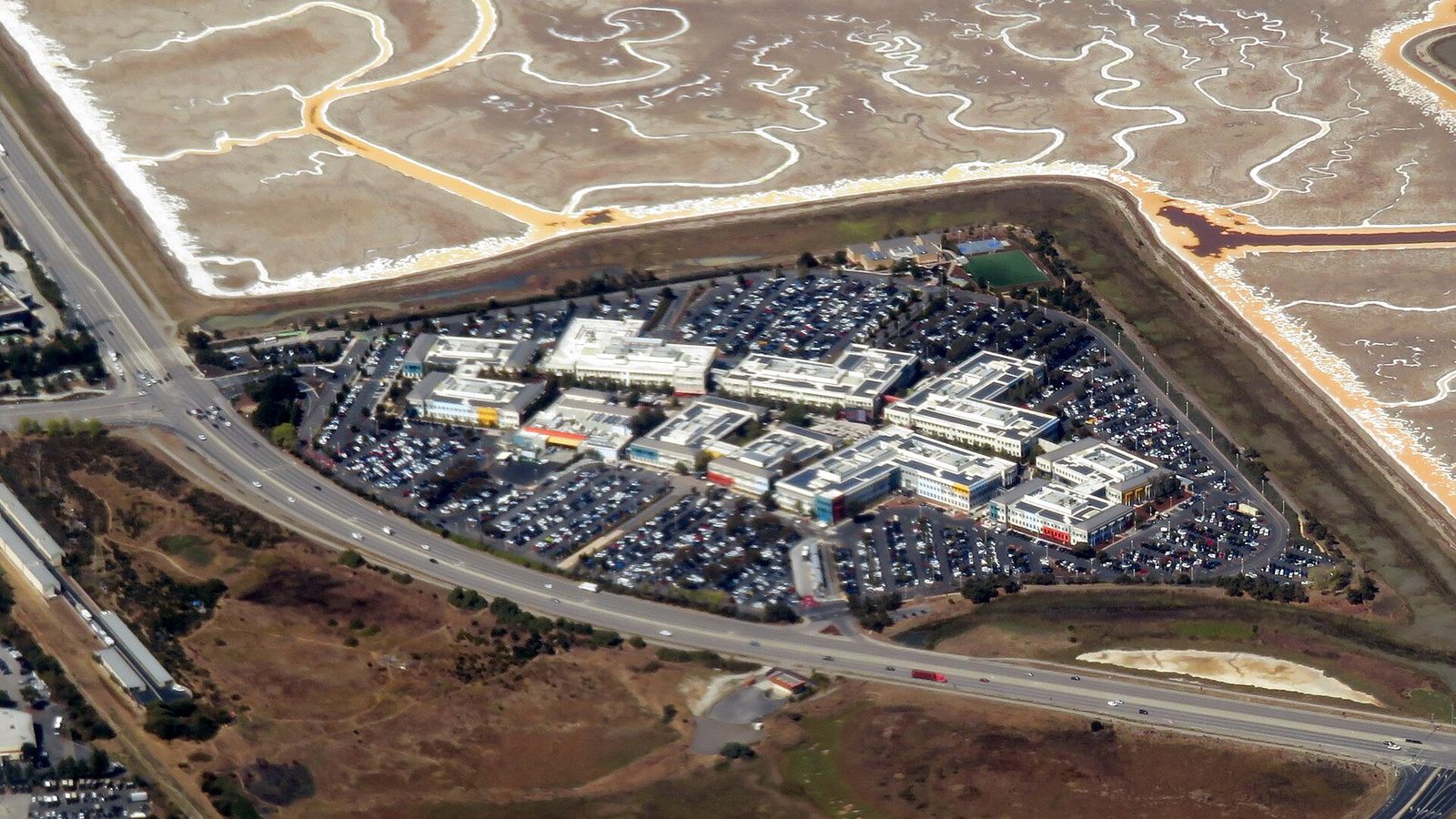
The technology sector is entering a highly concentrated week of financial, operational, and legal milestones. Over the coming days, the industry will digest first-quarter earnings from Nvidia, the dominant designer of AI accelerators, alongside product roadmaps from Google’s annual I/O developer conference. Simultaneously, Meta Platforms, the parent company of Facebook and Instagram, is scheduled to execute a workforce reduction of 8,000 employees.
Yet the most closely watched developments center on Elon Musk’s portfolio of companies. SpaceX is scheduled to conduct the first test launch of its Starship vehicle in seven months on Tuesday. Alongside the launch, unverified market chatter suggests the company’s initial public offering filing could become public in the near term. Together, these events underscore a period of stark duality in the technology sector, where frontier engineering and massive capital events run parallel to structural workforce contractions and mounting public skepticism.
The aerospace catalyst and capital markets
SpaceX, the private aerospace manufacturer led by Elon Musk, operates at the center of this week's capital narrative. Tuesday’s scheduled Starship test represents a critical technical milestone, marking the vehicle's return to the launchpad after a seven-month hiatus. The operational success of this heavy-lift system is closely tied to the company's long-term commercial viability and its ability to deploy next-generation satellite infrastructure at scale.
The technical test arrives amid unverified chatter that a SpaceX IPO filing could soon become public. While these reports remain unconfirmed, the prospect of a public listing for the aerospace company continues to draw investor attention, serving as a potential bellwether for market appetite in capital-intensive frontier technologies. This speculative expansion contrasts sharply with the broader industry's focus on operational efficiency, most visibly demonstrated by Meta's scheduled elimination of 8,000 roles. The juxtaposition highlights a bifurcated market where capital flows toward novel infrastructure while mature software platforms continue to rationalize their cost structures.
AI friction in the courtroom and the public square
Beyond aerospace and workforce realignments, the week also brings the artificial intelligence sector's growing tensions into sharp relief. As Google, the search and advertising giant, prepares to showcase its developer ecosystem at I/O, and Nvidia reports its financial performance, the narrative surrounding AI is increasingly defined by legal and social friction. This dynamic is currently playing out in the high-profile trial between Musk and OpenAI, the prominent artificial intelligence research organization behind ChatGPT, where fundamental questions of trust and organizational governance are being tested in court.
Public reception to the industry's rapid AI deployment is also showing signs of strain. During a recent commencement address at the University of Arizona, Eric Schmidt, the former Google CEO, faced audible pushback from students while promoting the benefits of artificial intelligence. This localized incident points to a widening gap between Silicon Valley's institutional optimism and the broader public's apprehension regarding AI's societal impact. As the industry pushes forward with aggressive commercialization, navigating this skepticism will likely become as complex as the technical challenges themselves.
The convergence of these disparate events—from orbital tests and potential public listings to mass layoffs and courtroom battles—illustrates a maturing technology landscape. As companies balance the pursuit of frontier breakthroughs with the realities of public and legal scrutiny, the sector's next phase appears defined less by unchecked expansion and more by the friction of integrating these technologies into the broader economy.
With reporting from The Information, TechCrunch, The Verge
Source · The Information