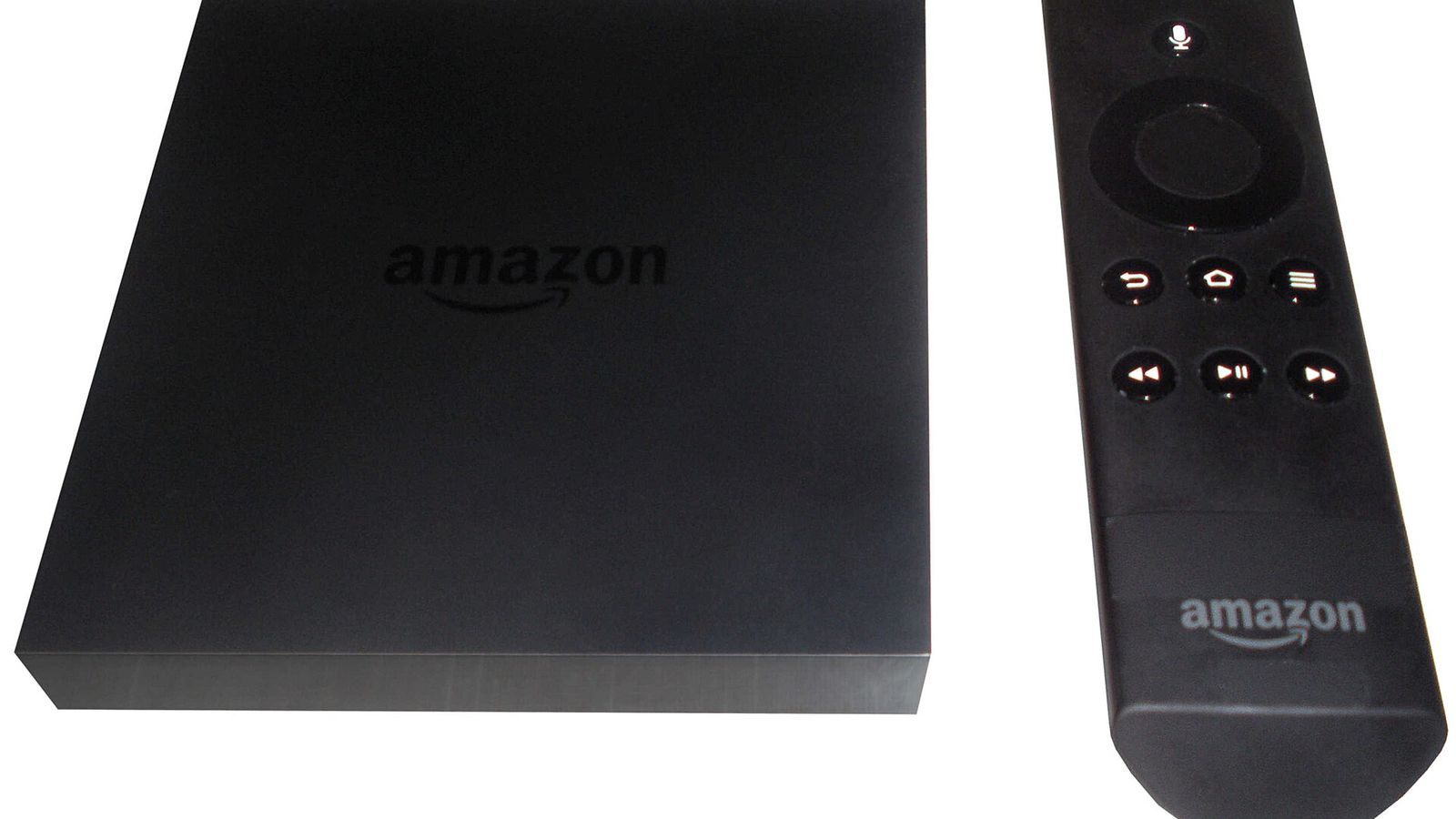
Amazon and several other non-geostationary satellite operators have established a new trade association to represent the rapidly expanding low-Earth orbit market. Notably absent from the coalition is SpaceX, the aerospace manufacturer and space transport services company that currently operates by far the largest non-geostationary constellation. The formation of the group signals a concerted effort by competing operators to consolidate their influence over regulatory and spectrum policies.
Concurrently, unverified reports indicate SpaceX has launched a secretive "Starfall" reentry demonstration mission. While details remain sparse and officially unconfirmed, industry observers suggest the flight provides critical validation for emerging reentry startups. Together, these developments underscore a widening structural divide: as competitors organize to shape regulatory frameworks collectively, the market's dominant force continues to operate—and innovate—largely on its own terms.
The coalition building around Starlink's shadow
The formation of the new trade association represents a strategic alignment among operators attempting to navigate a market heavily skewed by a single player. Non-geostationary orbits have become highly congested and fiercely competitive real estate. Amazon, which is developing its own Project Kuiper broadband network, and its peers face shared challenges regarding spectrum allocation, orbital debris mitigation, and international regulatory frameworks. By pooling their lobbying and standard-setting resources, these companies are attempting to establish a unified voice in Washington and abroad.
SpaceX's absence from this coalition is conspicuous but structurally consistent with its historical posture. Operating thousands of Starlink satellites, the company already possesses the scale and direct regulatory relationships that the new association seeks to cultivate for its members. For the broader industry, organizing without the market leader suggests an effort to ensure that future space policy is not dictated solely by SpaceX's operational precedents. The association's launch highlights a tension between collective industry interests and the outsized influence of a vertically integrated giant.
Independent validation in the reentry sector
While competitors focus on collective bargaining in orbit, SpaceX appears to be pushing technical boundaries independently. Reports of the secretive Starfall reentry demonstration point to continued investment in atmospheric return capabilities. Though the exact parameters of the mission remain unverified, the exercise is already being interpreted as a significant signal for the broader aerospace ecosystem. Reentry technology—crucial for returning manufactured goods and scientific payloads from orbit—has historically been the domain of national entities like NASA, the U.S. civilian space agency.
If the Starfall demonstration proves successful, it serves as a powerful proof of concept for a growing cohort of reentry-focused startups. These smaller ventures rely on established launch providers to test their thermal protection systems and recovery logistics. SpaceX's willingness to conduct dedicated or rideshare missions for such profiles not only advances its own proprietary systems but also effectively subsidizes the testing environment for the next generation of space logistics companies. This dynamic reinforces SpaceX's role as foundational infrastructure, even as it remains aloof from formal industry associations.
The juxtaposition of a new satellite coalition and independent technical demonstrations illustrates a maturing space economy operating on two distinct tracks. As competitors band together to shape the regulatory environment, the pace of physical infrastructure development remains heavily dictated by the incumbent. How these parallel strategies interact will likely define the next phase of commercial orbital operations.
With reporting from SpaceNews, Payload
Source · SpaceNews