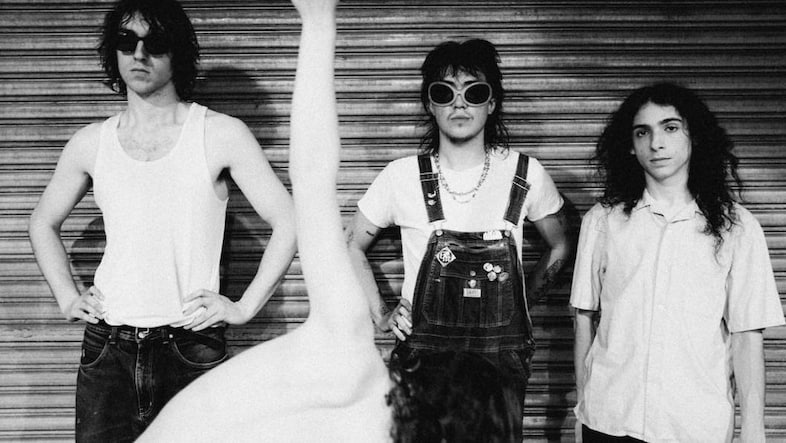
The Brooklyn-based rock band Geese, once hailed as the next standard-bearers of indie-rock authenticity, has recently found itself at the center of a modern cultural anxiety. The group is under fire not for their music, but for the mechanics of their rise—specifically, the alleged use of artificial fan pages and algorithmic manipulation to simulate a grassroots swell of support. To critics, this isn't just marketing; it’s a "psy-op" designed to trick the listener into believing they’ve discovered something rare and unmanufactured.
This strategy points to a deeper shift in the attention economy. In an era where the Spotify algorithm acts as the ultimate gatekeeper, the traditional path of organic growth has been replaced by a more calculated form of engineering. By seeding the internet with curated enthusiasm, labels can bypass the friction of genuine cultural adoption, creating a feedback loop that the platforms eventually mistake for real momentum. It is a digital mimicry of the word-of-mouth that once defined underground scenes.
The backlash against Geese suggests a lingering desire for the "authentic," even as the infrastructure of the internet makes such a thing increasingly difficult to verify. If every "organic" trend is the result of a coordinated campaign, the distinction between a fan and a consumer begins to dissolve. In this landscape, the music itself becomes secondary to the performance of its popularity, leaving audiences to wonder if the underground still exists, or if it has simply been replaced by a very convincing facade.
With reporting from Dazed.
Source · Dazed