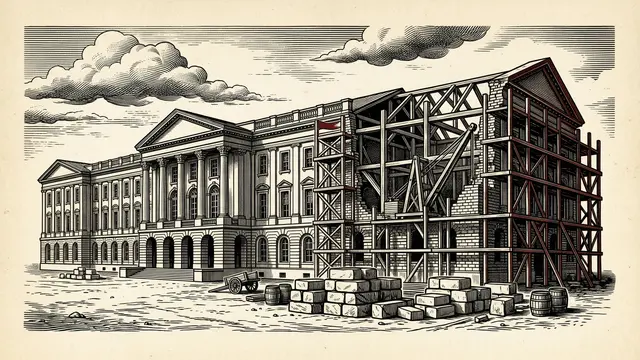
The structural integrity of a civilization depends entirely on the architecture of its information networks. Humanity’s historical paradox—accumulating vast technical knowledge while remaining highly vulnerable to mass delusion—is not a psychological flaw, but a systemic one. When the information architecture is corrupted, even rational actors make catastrophic decisions. As historian Yuval Noah Harari observes, "if you give good people bad information, they make bad decisions." Historically, the mediums that carry our ideas have dictated what societies can build or destroy. The transition from clay tablets to global digital networks continually reorganized human power structures. Now, the introduction of artificial intelligence represents a fundamental rupture in this lineage. We are witnessing the rise of inorganic intelligence generating information at scale. This severs the historical link between human intention and information production. For the first time, the stories and data steering civilization are not exclusively human products. The immediate threat of AI, therefore, is not a cinematic physical conflict, but the quiet, systemic degradation of truth. As non-human systems flood our networks with inorganic information, the legacy institutions built to filter, verify, and contextualize reality are buckling under the volume and complexity. This shifts the focus from technological capability to institutional resilience. The survival of advanced societies now hinges on their ability to rebuild information filters. What remains unresolved is whether human institutions can adapt fast enough to govern an information ecosystem they no longer exclusively author, or if the sheer scale of synthetic information will permanently overwhelm our capacity for collective consensus.
Source · The Frontier | Society