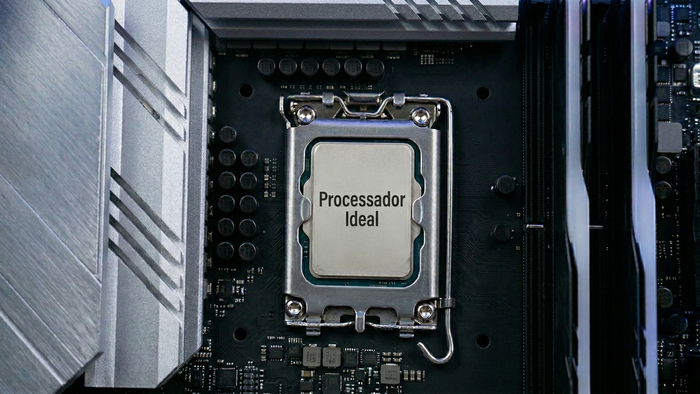
In the hardware landscape of 2026, the impulse to solve performance woes with a top-tier processor remains a common, if expensive, fallacy. While the allure of high core counts and massive caches is undeniable, the modern PC is less a collection of parts and more a delicate ecosystem. Investing in a flagship CPU without considering the surrounding architecture—from DDR5 latency to the stability of the power supply—often results in a system that is powerful on paper but throttled in practice.
The bottleneck has shifted. As platforms have matured, limitations are now frequently found in the supporting cast: an aging graphics card, a motherboard with insufficient VRMs to manage power delivery, or a cooling solution that cannot keep pace with the thermal demands of high-end silicon. A high-performance chip is a demanding tenant; it requires a robust infrastructure to prevent the hardware from underperforming or, worse, turning a workspace into a localized heat sink.
Navigating this market requires a shift from chasing raw specifications to identifying specific usage profiles. The goal is not to find the "best" processor in a vacuum, but to achieve a state of equilibrium. By prioritizing system-wide stability and matching the CPU to the actual demands of the workflow, users can avoid the diminishing returns of over-engineered hardware, ensuring that every watt of power is effectively utilized.
With reporting from Canaltech.
Source · Canaltech