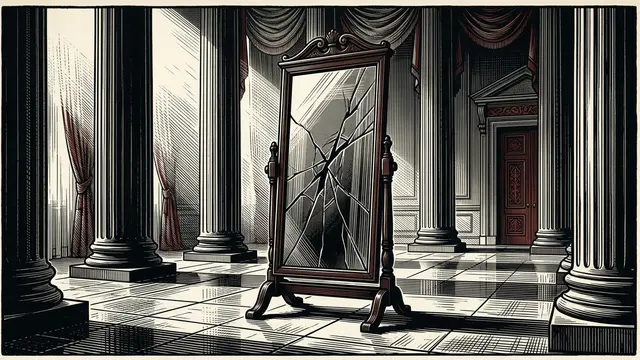
The transition from liberal democracy to authoritarianism is rarely marked by a sudden, singular event. Instead, it is often a gradual erosion of shared reality, facilitated by the weaponization of language and the creation of carefully curated spectacles. According to reporting from Lit Hub, the historical trajectory of early Nazism serves as a profound case study in how regimes utilize propaganda not merely to disseminate information, but to fundamentally alter the public’s perception of truth and morality. By manipulating the emotional landscape of a nation, these movements successfully bypassed intellectual scrutiny, replacing objective discourse with a narrative of national renewal and existential struggle.
This editorial analysis contends that the strategies employed by 20th-century fascists—specifically the use of aestheticized politics and the systematic distortion of language—are not confined to the history books. They are increasingly visible in the contemporary American political environment, where the boundaries between fact, entertainment, and partisan messaging have blurred. The challenge for modern observers is to recognize that when political rhetoric shifts from debate to the construction of a self-contained reality, the foundation of democratic consensus begins to fracture under the weight of orchestrated delusion.
The Theatrics of Power and the Aestheticization of Politics
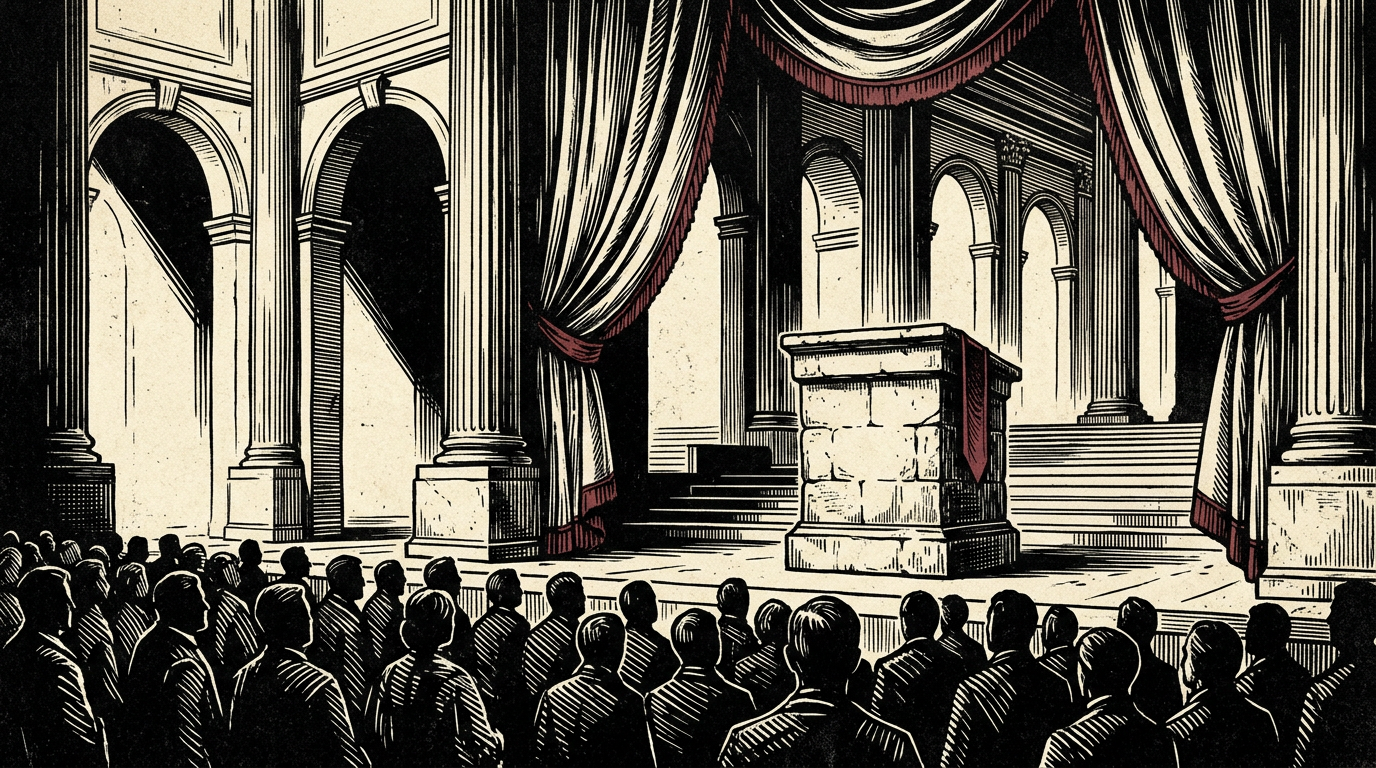
Fascism was, in its essence, a political movement that prioritized stagecraft over policy. As noted in the source, figures like Adolf Hitler and Benito Mussolini possessed an intuitive grasp of human psychology, understanding that the masses were more effectively mobilized through emotional resonance than through logical argumentation. The Nuremberg rallies were not merely political gatherings; they were meticulously choreographed performances designed to evoke a sense of divine mandate and collective euphoria. By employing lighting, music, and symmetrical formations, the regime transformed the act of political participation into a sensory experience, effectively lulling the public into a state of emotional submission.
This focus on spectacle was deeply rooted in the artistic frustrations and aspirations of its leaders. Hitler’s background, particularly his failed aspirations at the Vienna Academy of Fine Arts, informed his approach to statecraft, leading him to treat the nation as a canvas for his architectural and narrative ambitions. The creation of a "Cathedral of Light" or the construction of gargantuan, neoclassical structures served a specific purpose: to project an image of permanence and grandeur that overwhelmed the individual. This aestheticization of politics served to distract from the brutal realities of the regime, offering a fantasy world where the citizen could lose their sense of self in the collective strength of the state.
The Distortion of Language as a Tool of Control
Language serves as the primary mechanism through which humans structure their thoughts and express their values. When that mechanism is compromised, the capacity for critical thought is severely diminished. The Nazi regime recognized this, engaging in what scholars have described as a systematic bastardization of language. By redefining common words to align with state ideology, the regime narrowed the range of acceptable thought, making it difficult for citizens to articulate opposition or even to perceive the reality of their own oppression. Euphemisms like "protective custody" or "special treatment" were deployed to mask the reality of violence, effectively desensitizing the public to the atrocities committed in their name.
This linguistic manipulation was not accidental; it was a deliberate strategy to invert truth. When work is described as freedom and deportation is framed as "remigration," the objective is to create a cognitive dissonance that the public eventually resolves by accepting the regime's version of reality. Today, we witness a parallel phenomenon in the American political lexicon, where terms are constantly repurposed to serve partisan ends. When mainstream reporting is dismissed as "fake news" or complex socio-economic challenges are reduced to simplistic metaphors of "invasion," the result is the same: the erosion of a common vocabulary necessary for democratic deliberation.
Implications for Modern Stakeholders
For regulators, journalists, and the broader public, the implications of this rhetorical shift are significant. In an era of digital media, where the speed of information dissemination often outpaces the ability to verify it, the temptation to engage in hyperbolic, sport-like political rhetoric is high. However, when the media and political actors adopt the language of totalization—where every issue is a "fight for survival" or a "battle for the soul of the nation"—they inadvertently contribute to the same psychological environment that allowed fascism to thrive. This hyperbole numbs the public, making them less capable of distinguishing between genuine policy concerns and manufactured crises.
Furthermore, the role of the "invisible government," as described by Edward Bernays, remains a critical area of concern. While the tools of propaganda have evolved from radio and film to algorithmic social media feeds, the objective remains constant: to manipulate the unconscious desires of the public. Stakeholders must recognize that when political movements rely on the "Pointless Lie"—the gratuitous falsehood meant only to demonstrate power—the goal is not to convince, but to force the public to choose between reality and loyalty. This dynamic places an immense burden on the institutions of a free society to defend the integrity of discourse against the encroaching tide of performative politics.
Open Questions and the Outlook for Democracy
What remains uncertain is the degree to which modern democratic institutions can withstand the persistent pressure of these manipulative tactics. Can a society that has become accustomed to "alternative facts" ever return to a shared understanding of objective reality, or is the fragmentation of truth an irreversible byproduct of our current information age? The history of the 20th century suggests that systems of lies eventually collapse under their own weight, yet the cost of that collapse is often catastrophic. The question moving forward is whether the public can reclaim its agency as a co-creator of truth, or if it will continue to drift into the seductive, fantasy-filled narratives offered by those who seek to mobilize through fear and spectacle.
As the digital landscape continues to evolve, the challenge of maintaining an informed citizenry becomes increasingly complex. The ease with which historical narratives can be distorted or entirely fabricated means that the responsibility for vigilance rests not just with journalists, but with every individual participant in the political process. The preservation of democracy requires a conscious effort to resist the allure of the spectacle and to demand clarity in the face of ambiguity. As these trends continue to develop, the question of whether our current political discourse can foster genuine understanding or merely deepen our divisions remains the defining tension of our time.
With reporting from Lit Hub
Source · Lit Hub