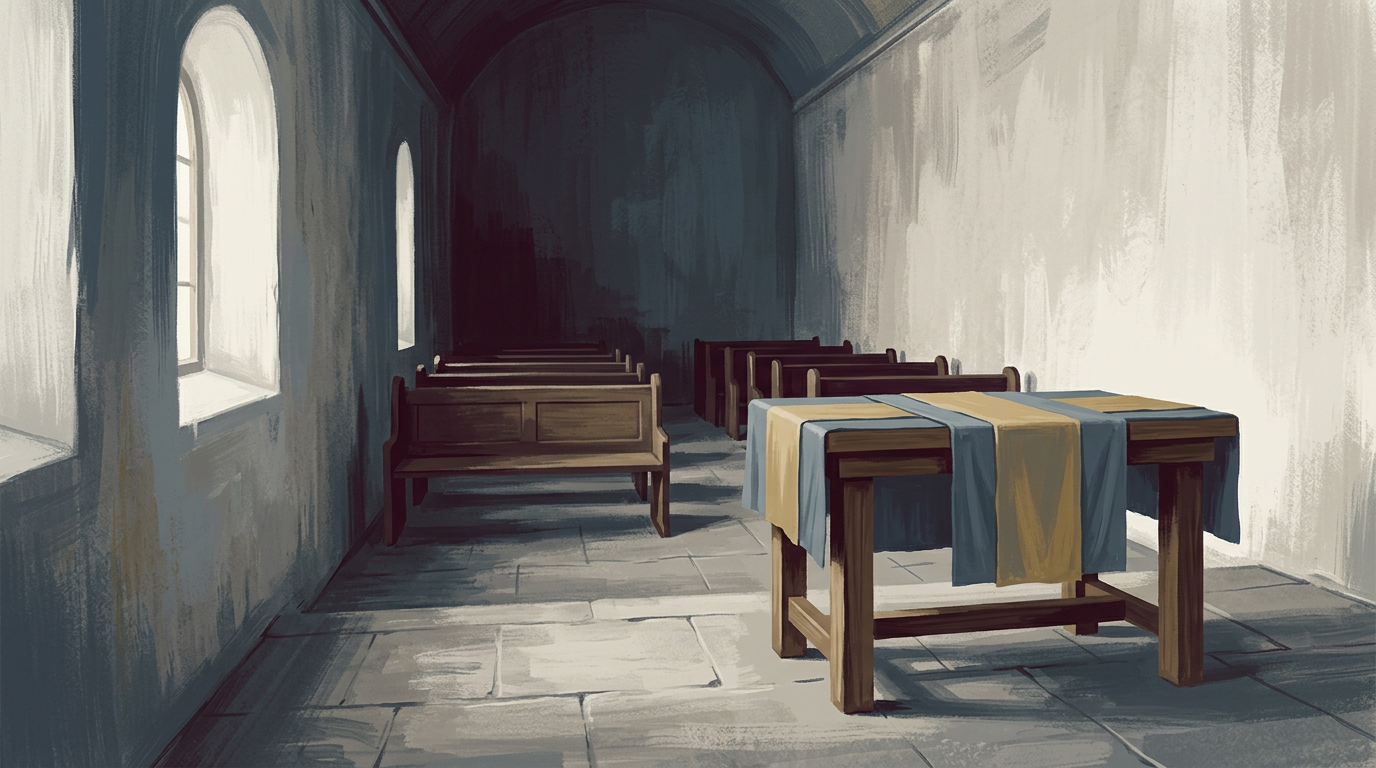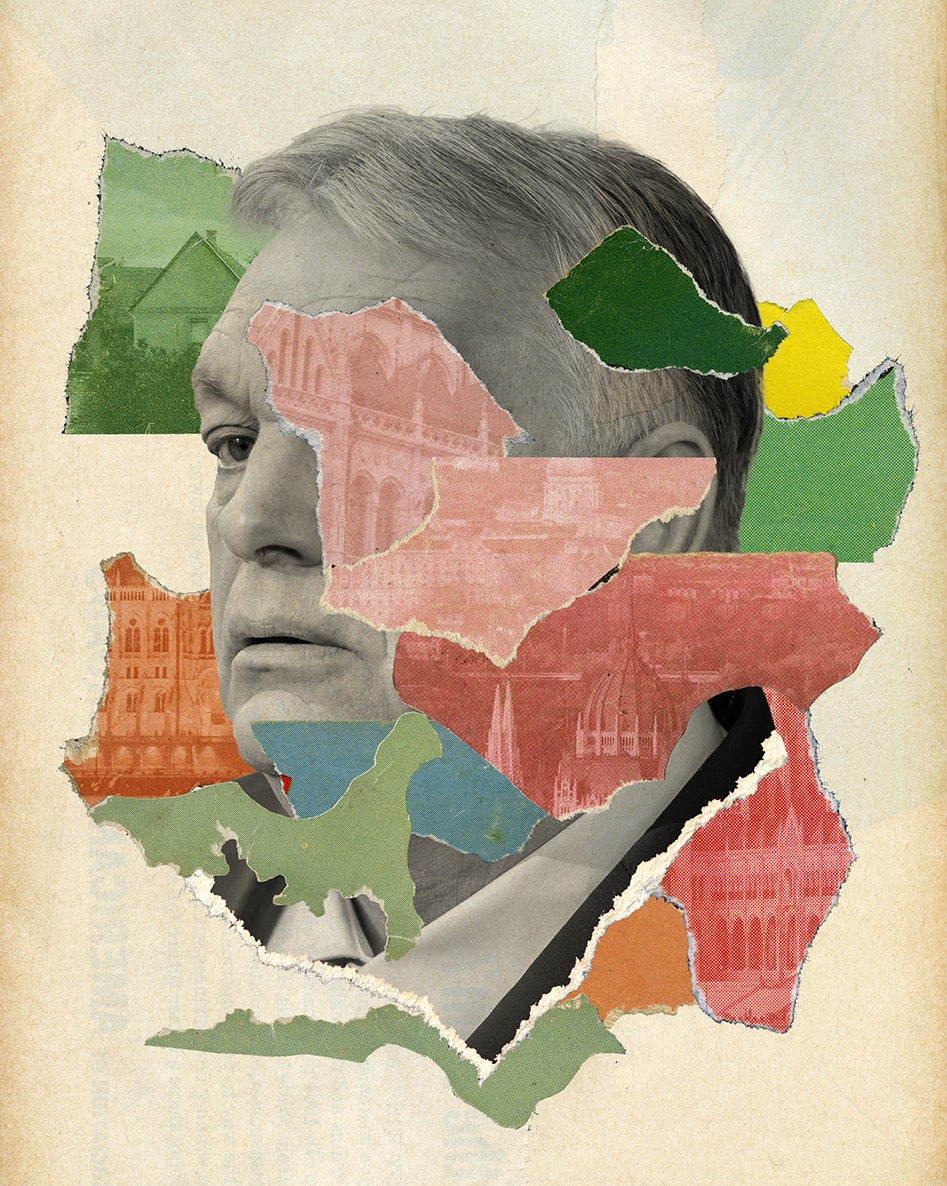
The Central European University in Budapest remains a gleaming atrium of glass and light, but its halls are largely silent. Since Viktor Orbán's government forced its degree-granting operations to migrate to Vienna seven years ago, the building has served as a hollowed-out monument to a vanishing era of liberal education. What remains is a skeleton crew of researchers and a public library — enough to signal life, but not enough to mask the institutional displacement that has occurred.
The CEU's fate is more than a local academic dispute. Founded in 1991 with funding from George Soros to nurture open-society values in post-communist Europe, the university became a symbol of the liberal internationalist project that defined the 1990s. Its effective exile from Hungary marked one of the most visible moments in a broader pattern: governments across multiple continents asserting the right — and the duty — to shape the moral character of their populations.
Beyond the Mechanics of Control
Much of the Western analytical framework for understanding illiberal governance focuses on its negative outputs: corruption, media capture, judicial erosion, suppression of dissent. These features are real and well-documented. But treating them as the entirety of the phenomenon risks a diagnostic error. In Hungary, China, Russia, and India, the apparatus of state control often serves a more coherent project than mere power consolidation. These governments have moved beyond the role of neutral arbiter to become architects of a specific moral order, using institutional power to cultivate what they define as a "good" citizen.
This is the return of what might be called the moral state — a governing model in which the state does not merely regulate behavior but actively promotes a particular cultural, spiritual, and social identity. The concept is not new. For most of recorded political history, states claimed precisely this mandate. The European confessional states of the early modern period, the civilizing missions of colonial empires, and the ideological projects of twentieth-century communism all rested on explicit visions of human flourishing enforced through public institutions. What the late twentieth century treated as the natural endpoint of political development — a pluralistic, procedurally neutral liberalism — was, in historical terms, the exception rather than the rule.
The distinction matters because it changes the nature of the challenge. A regime motivated purely by kleptocratic self-interest can, in theory, be undermined by exposing its contradictions. A regime motivated by a substantive vision of the good life is more durable, because it offers its supporters something liberalism often struggles to provide: a positive account of what society is for.
The Moral State as a Global Pattern
The pattern extends well beyond Budapest. Whether in the nationalist cultural policies of Turkey, the civilizational rhetoric of the Indian government, or the MAGA movement in the United States, a common thread is visible: the rejection of pluralistic neutrality as a governing principle and its replacement with an affirmative project of identity formation. These movements differ in content — some emphasize religious tradition, others ethnic solidarity, others a mythologized national past — but they share a structural logic. The state is not a referee. The state is a teacher.
This convergence raises uncomfortable questions for liberal democracies. If the moral state draws its legitimacy from offering citizens a coherent story about who they are and what they should aspire to, then opposing it requires more than defending procedural norms. It requires an alternative account of meaning — one that can compete on the same terrain of identity and purpose without replicating the exclusionary logic it seeks to counter.
The hollowed-out campus in Budapest stands as a useful emblem of this tension. The liberal project it represented was not defeated by force alone. It was displaced by a rival vision that claimed to know what a good Hungarian life looks like — and was willing to use the full weight of the state to enforce that claim. Whether such visions can sustain themselves over decades, or whether they collapse under the weight of their own rigidity, remains the open question. What is clear is that dismissing them as mere authoritarianism misses the architecture underneath.
With reporting from Noema Magazine.
Source · Noema Magazine