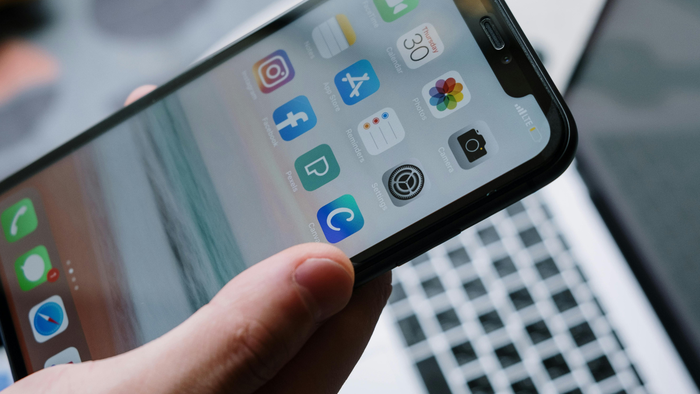
Since its inception, the Apple App Store has functioned as the definitive gatekeeper for the company’s hardware ecosystem. More than a mere repository for software, it is the primary conduit through which the iPhone, iPad, and Mac receive their functional utility. By centralizing distribution, Apple has created a curated environment where security and user experience are prioritized, albeit within a strictly controlled "walled garden" that remains incompatible with external operating systems.
The marketplace operates on a dual-layered economic model. For the end user, access is tied to an Apple ID, providing a seamless interface for downloads and updates. However, the ecosystem is fueled by a complex system of paid applications and recurring subscriptions. Behind the scenes, developers pay for the privilege of entry, contributing an annual subscription fee and a commission on sales—a structure that has turned the platform into a cornerstone of the modern software economy.
Unlike the physical Apple Store, which serves as a showroom for industrial design, the App Store is an invisible infrastructure. It manages everything from critical security patches to the distribution of niche productivity tools across iOS, iPadOS, and macOS. This exclusivity remains its most defining trait; by tethering software so closely to its proprietary hardware, Apple ensures that the App Store is not just a service, but a fundamental pillar of its market dominance.
With reporting from [Tecnoblog].
Source · Tecnoblog