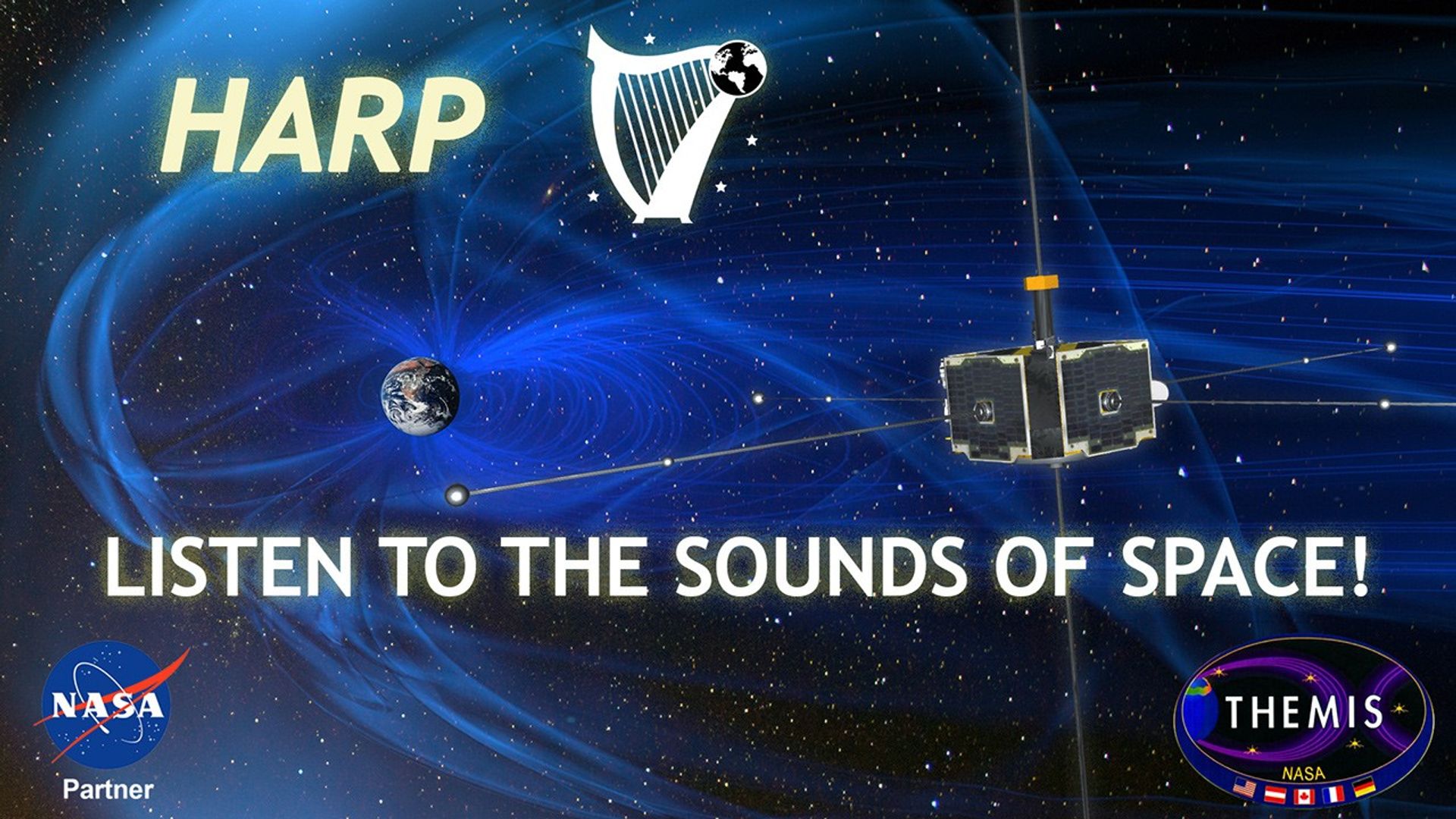
The Earth’s magnetic field is often described as a protective cocoon, but to the researchers of NASA’s HARP project, it is more akin to a stringed instrument. By translating magnetic field measurements from the THEMIS mission into audible sound—a process known as sonification—scientists have invited the public to listen to the "music" of the magnetosphere. This auditory approach relies on the human ear’s innate ability to detect patterns and anomalies that might otherwise be lost in the noise of visual data.
Heliophysics models typically predict a predictable gradient: as plasma waves move farther from Earth, their frequency should drop, resulting in lower pitches. Conversely, waves closer to the planet are expected to resonate at higher frequencies. However, volunteers participating in the Heliophysics Audified: Resonances in Plasmas (HARP) project recently identified a series of events that inverted this logic. They heard low-pitched frequencies where they should have been high, and high-pitched tones where they should have been low.
This discovery of "inverted" resonance provides a new lens through which to view geomagnetic storms—disturbances in the magnetosphere that can disrupt terrestrial power grids and satellite communications. The success of the HARP project underscores the growing utility of citizen science in high-stakes physics, proving that sometimes, the most sophisticated analytical tool available is a focused pair of ears.
With reporting from NASA Breaking News.
Source · NASA Breaking News