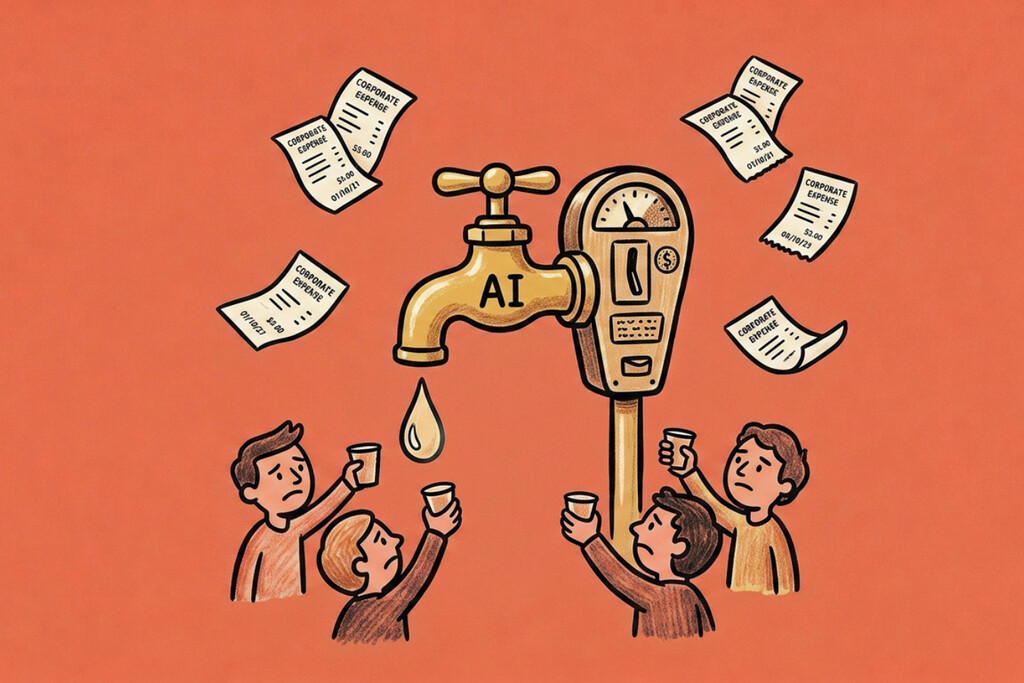
In the high-pressure corridors of China’s tech industry, the line between worker and tool is beginning to blur in uncomfortable ways. A recent viral GitHub project, titled "Colleague Skill," has touched a nerve by promising to "distill" the skills and personality traits of employees into AI agents. While the project was eventually revealed as a satirical stunt by Tianyi Zhou, an engineer at the Shanghai Artificial Intelligence Laboratory, its resonance highlights a grim new reality: many workers are being actively instructed by management to document their workflows for the purpose of their own automation.
The mechanism of the spoof reflects a very real technological shift. By scraping data from ubiquitous workplace apps like Lark and DingTalk, the tool generates manuals that capture not just a person’s technical duties, but their unique quirks and communication styles. For many engineers, this mirrors the actual directives they receive from bosses who encourage the use of tools like OpenClaw or Claude Code to streamline processes—often with the implicit understanding that once a task is sufficiently mapped, the human presence becomes optional.
This trend marks a pivot from the unbridled optimism that characterized China's early AI adoption. As layoffs tied to automation become more common, the act of "distilling" one's professional essence into a machine has moved from a speculative exercise to a survival strategy. What was once seen as a way to augment productivity is increasingly viewed as a process of self-obsolescence, turning the workplace into a laboratory where the primary product is the replacement of the producer.
With reporting from MIT Technology Review.
Source · MIT Technology Review