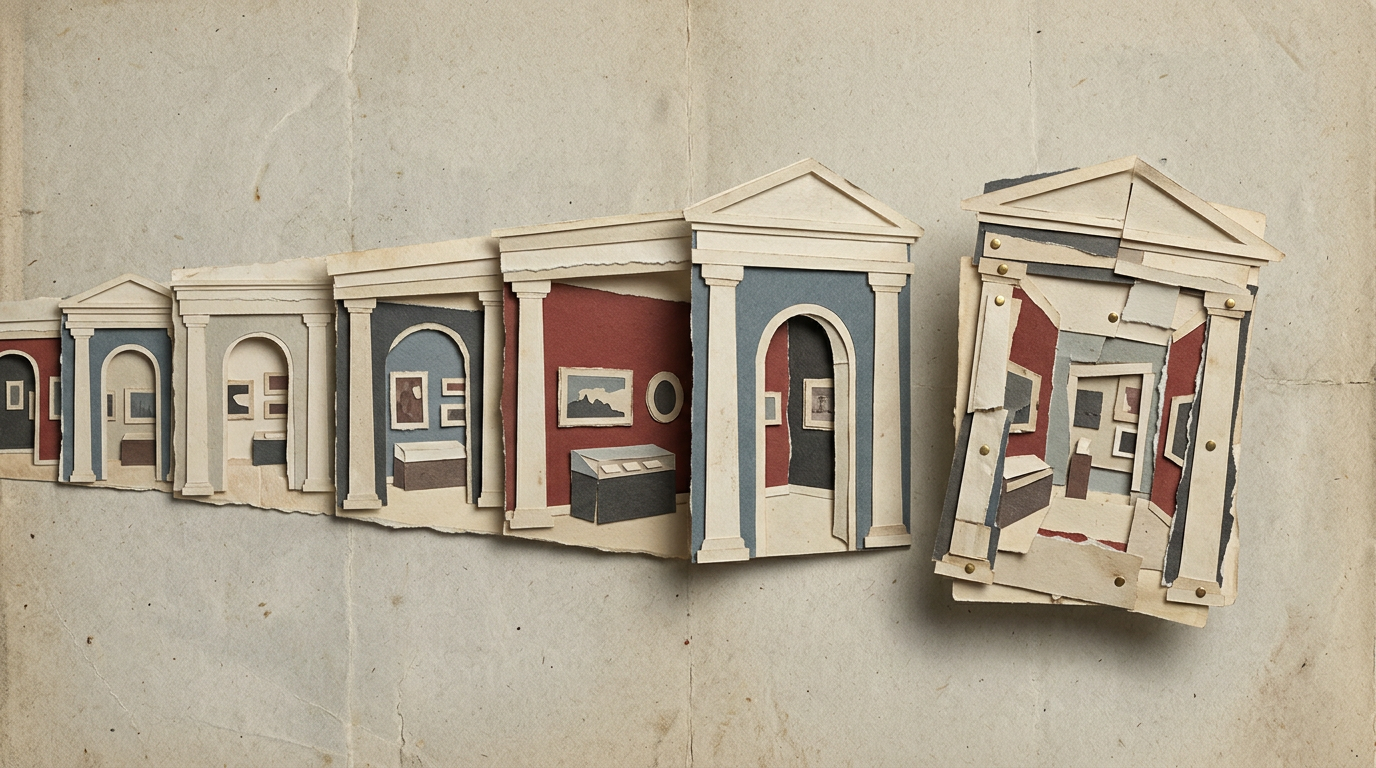
The Venice Biennale, long regarded as the preeminent stage for international cultural exchange, is once again becoming a site of geopolitical friction. For the 61st edition of the exhibition, the Belarus Free Theatre—a collective forced into exile following the 2020 protests against President Alexander Lukashenko—has secured a collateral exhibition titled “Official. Unofficial. Belarus.” This event marks the first presence of Belarusian cultural work at the Biennale in six years, yet it arrives with a critical distinction: it is entirely independent of the Belarusian state. By operating outside the traditional, government-sanctioned pavilion structure, the group is effectively challenging the monopoly that nation-states hold over the representation of their own cultures on the global stage.
This initiative serves as more than just a platform for artistic expression; it acts as a direct confrontation with the mechanisms of authoritarian control. According to reporting from ARTnews, the exhibition is designed to explore the realities of art created under surveillance and censorship, utilizing a multisensory approach to convey the visceral experience of repression. By positioning their work as a self-authored cultural body, the curators are forcing a structural dialogue about what it means to represent a country when its official government is viewed by many as a vehicle for suppression rather than a representative of its people's creative spirit.
The Crisis of National Representation
The structure of the Venice Biennale has historically been built upon the foundation of the nation-state. Pavilions are allocated to governments, which then select the artists and themes that serve to broadcast a specific national identity to the world. However, this model assumes a harmonious relationship between the state and its artistic community, an assumption that has been increasingly undermined by the rise of authoritarianism across the globe. When a government engages in the systematic silencing of its critics, the national pavilion risks becoming a mere propaganda tool, effectively erasing the voices of those who have been jailed or forced into exile.
For the Belarus Free Theatre, the Biennale offers a unique, albeit challenging, opportunity to break this cycle. The selection of the group as a collateral event, despite the high volume of applicants, suggests a growing appetite among international curators and audiences for a more nuanced understanding of national identity. By explicitly separating their work from the state’s narrative, the collective is not merely protesting; they are establishing a precedent for how independent, unofficial cultures can maintain their existence in the absence of institutional support. This move highlights the inherent tension in international art exhibitions: the conflict between the formal recognition of states and the authentic, often subversive, voices of their citizens.
Mechanisms of Surveillance and Resistance
The exhibition’s design is rooted in the philosophy that repression is not merely a conceptual or political phenomenon, but a physical and atmospheric one. Drawing inspiration from Michel Foucault’s analysis of power, the collective has curated a space that forces visitors to confront the architecture of control. This is not intended to be a passive viewing experience; rather, it is a deliberate attempt to make the abstract nature of state surveillance tangible through sound, scent, and structural obstruction. By moving beyond the traditional language of theater into the realm of contemporary art, the group seeks to induce a physical understanding of what it means to live under constant observation.
This approach speaks to a broader, global shift in how authoritarianism is perceived. As the curators note, Belarus is often framed as an outlier, a relic of a bygone era of European dictatorship. Yet, the exhibition argues that the techniques of control utilized by the Belarusian state—the normalization of surveillance, the manipulation of truth, and the erosion of public life—are becoming increasingly legible to audiences in democratic societies. In this sense, the exhibition functions as a prototype for a condition that is no longer confined to the periphery. The work suggests that the mechanisms of control are becoming standardized, making the Belarusian experience a warning for other nations where the lines between security and surveillance are becoming dangerously blurred.
Implications for Global Cultural Governance
The presence of this exhibition raises significant questions for the organizers of international cultural events and the stakeholders who support them. If the Biennale is to remain a relevant platform for global discourse, it must grapple with the reality that state pavilions do not always represent the entirety of a nation's culture. Regulators and curators are now faced with the challenge of balancing the diplomatic necessity of state relations with the moral imperative to provide a stage for voices that have been pushed to the margins. This creates a complex landscape where the legitimacy of a nation's representation is constantly under negotiation.
For competitors and other cultural institutions, the success or failure of this exhibition could set a benchmark for how to handle future requests from dissident groups. It forces a reconsideration of the criteria for participation and the ethical responsibilities of those who curate global exhibitions. As more governments move toward authoritarianism, the pressure to provide an outlet for independent, unofficial narratives will only intensify. The Biennale’s willingness to host such a project suggests that the traditional, state-centric model is under significant strain, and the future of cultural representation may well lie in the hands of those who are willing to operate outside of it.
The Outlook for Independent Cultural Narratives
What remains uncertain is how these independent cultural movements will sustain their momentum once the Biennale concludes. While the visibility provided by such a global platform is a powerful tool for advocacy, it does not solve the long-term challenges of funding, security, and institutional continuity for artists in exile. The question of whether this model can be replicated by other marginalized groups remains open, particularly as the geopolitical landscape continues to shift in favor of centralized power.
Furthermore, the interplay between the return of state-sponsored pavilions from nations with questionable human rights records and the emergence of independent, unofficial exhibitions will likely define the discourse for years to come. The Biennale is no longer just an art exhibition; it has become a barometer for the health of international civil society. As these dynamics continue to evolve, the distinction between state narrative and cultural truth will remain a central, unresolved tension in the global art world.
As the international community watches how these competing narratives are received in Venice, the fundamental debate over who possesses the right to define a nation's culture will only grow more urgent. Whether this movement of unofficial culture can successfully integrate into the broader European cultural family, or if it will remain a permanent, necessary outsider, remains a question that will be answered by the artists and audiences who engage with it.
With reporting from ARTnews
Source · ARTnews