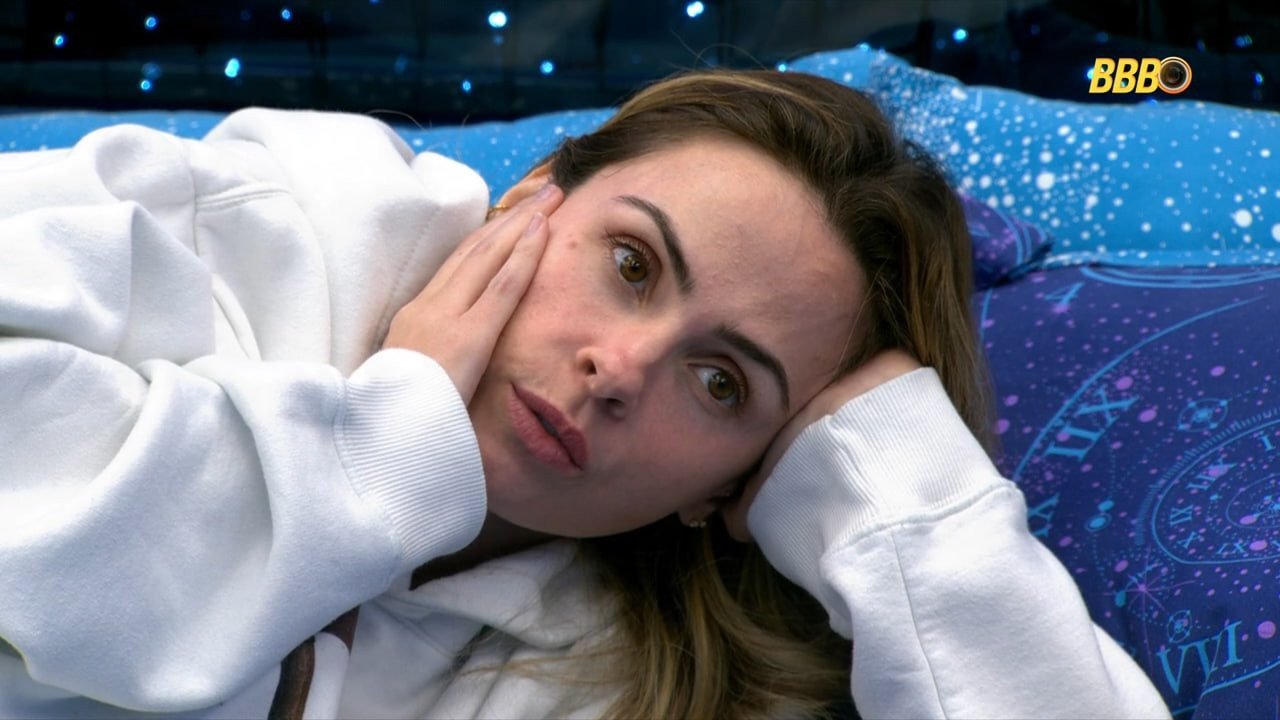
The conclusion of *Big Brother Brasil 26* marks the end of a social experiment that remains a juggernaut in the Brazilian media landscape. For Ana Paula Renault, one of the season’s most polarizing and discussed figures, the finale on Tuesday signifies more than a competition’s end; it is the pivot point from total surveillance to the highly managed attention economy of the modern influencer.
The "afterlife" of a reality star has become a standardized industrial process. Renault’s schedule following the finale reflects a carefully calibrated reentry into a world of brand partnerships and public appearances. In an era where visibility is the primary currency, the transition from being a passive subject of the camera to an active architect of one’s own image is the ultimate prize, regardless of the show’s final vote.
As the cameras in the house dim, the infrastructure of celebrity takes over. For Renault and her peers, the challenge lies in sustaining the momentum generated within the vacuum of the show. The end of the season is not a conclusion but a deployment into a broader media ecosystem where the lines between personal narrative and commercial product remain perpetually blurred.
With reporting from Exame Inovação.
Source · Exame Inovação