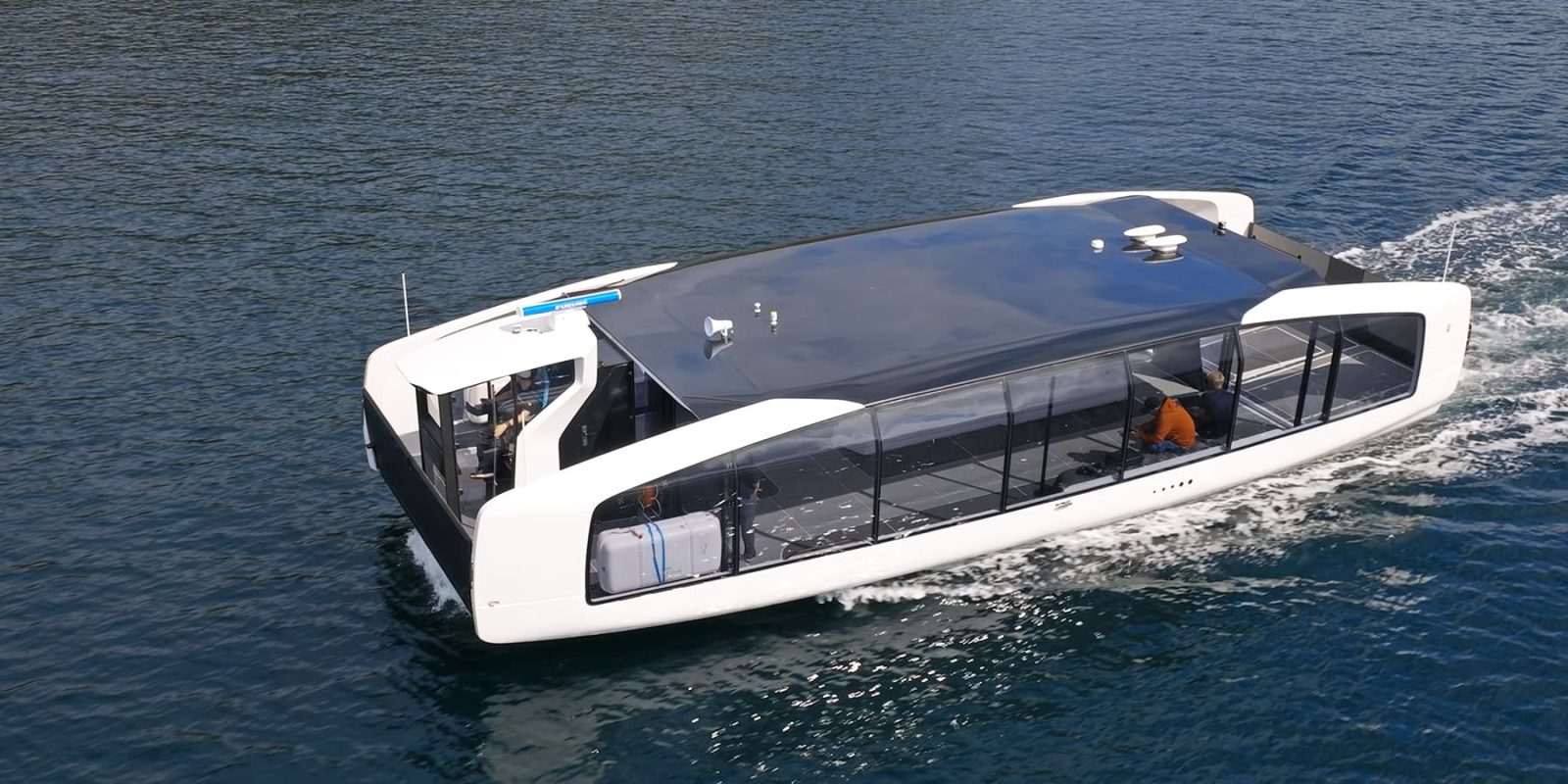
Urban planners have long viewed bridges and tunnels as the definitive solutions to geographical divides, despite their astronomical costs and permanent environmental footprints. However, a recent pilot project in Norway is challenging this paradigm. By deploying small, autonomous electric ferries, the initiative suggests that waterways shouldn't be seen as obstacles to be built over, but as existing transit corridors waiting to be utilized.
The vessel in question operates with a fraction of the overhead required for traditional civil engineering projects. Unlike a bridge, which is a fixed asset with rigid capacity, a fleet of electric ferries can be scaled or rerouted based on real-time demand. This flexibility represents a shift from "hard" infrastructure to "soft," software-driven mobility that integrates into the urban fabric without the decade-long construction timelines typically required for major crossings.
Beyond the logistical advantages, the transition to electric propulsion addresses the historical noise and pollution concerns associated with urban shipping. These silent, zero-emission boats allow cities to reclaim their waterfronts for residential use while maintaining high-frequency transit. As global municipalities grapple with aging infrastructure and tightening budgets, the Norwegian model offers a compelling case for looking toward the water rather than the sky or the underground.
With reporting from Electrek.
Source · Electrek


