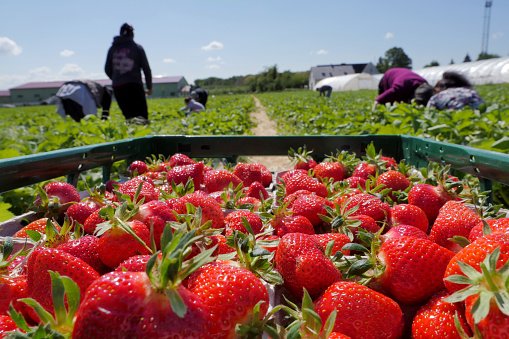
The 2026 report on fresh produce in the United States offers a sobering reminder of the chemical footprint inherent in modern industrial agriculture. According to the latest data, strawberries, grapes, and spinach remain at the top of the list for the highest concentrations of potentially harmful pesticide residues. The findings underscore a persistent tension between high-yield farming and the increasing consumer demand for "clean" food.
What is perhaps most striking about the current survey is the ubiquity of the contamination. Every single item tested in the 2026 analysis showed some level of chemical residue. While the presence of these substances does not always equate to immediate toxicity, their cumulative presence across the entire spectrum of the produce aisle suggests that chemical intervention is no longer the exception, but the baseline of the food system.
The ranking serves as a proxy for the broader systemic challenges facing global food supply chains. As regulatory bodies and environmental advocates push for more sustainable practices, the data suggests that the transition away from traditional pesticides remains slow. For now, the "clean" label remains a relative term in a market where total chemical absence is increasingly rare.
With reporting from Exame Inovação.
Source · Exame Inovação