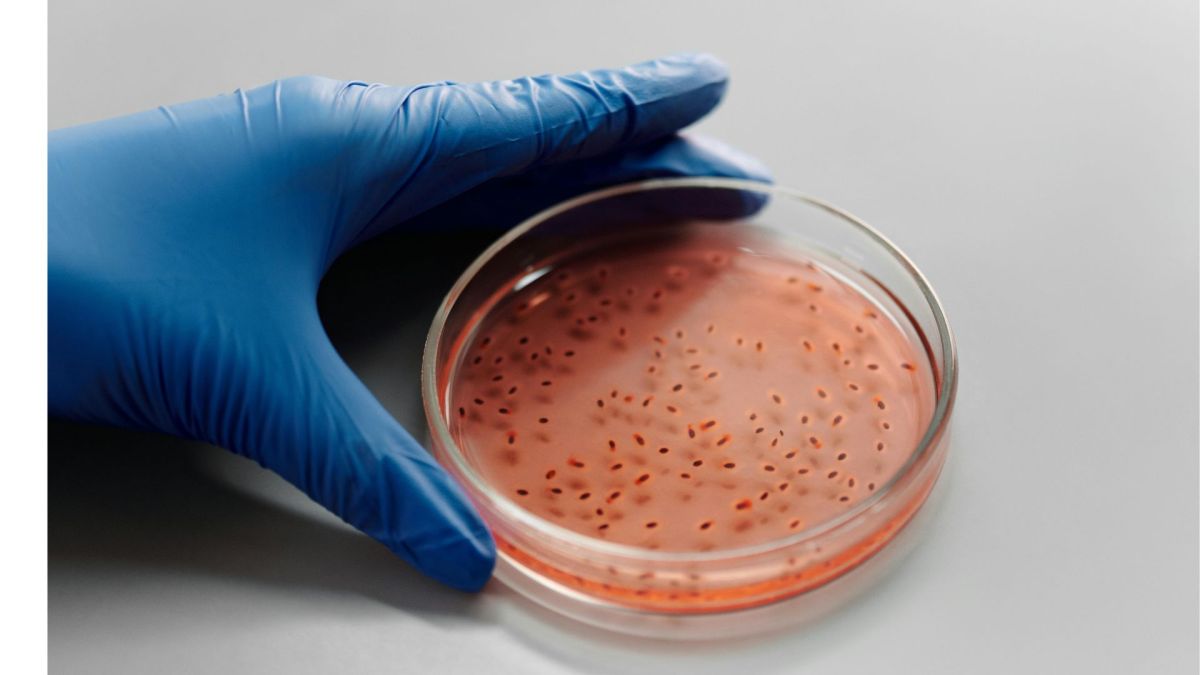
For decades, molecular biology has operated under a fundamental rule of chirality: the building blocks of life, such as amino acids and sugars, possess a specific "handedness." In nature, life is almost exclusively left-handed in its proteins and right-handed in its DNA. Mirror bacteria—synthetic organisms engineered with their molecular geometry flipped—were conceived to break this symmetry. By operating on a different structural plane, these organisms are effectively invisible to natural viruses and enzymes, offering a tantalizing prospect for producing medicines in environments free from biological contamination.
However, the very traits that make mirror bacteria commercially attractive have triggered a shift in the international scientific community from optimism to apprehension. The "biological firewall" created by their reversed chirality means that if these synthetic organisms were to enter the wild, they would occupy an unprecedented ecological niche. Because natural predators and decomposers lack the biochemical machinery to break them down, mirror bacteria could theoretically outcompete natural life, consuming resources while remaining immune to the checks and balances of the existing biosphere.
What was once a niche pursuit in synthetic biology is now a focal point for biosecurity experts. The concern is no longer just about the technical feasibility of "mirror life," but about the systemic risk of an irreversible environmental shift. As research progresses, the challenge for regulators is to balance the undeniable potential of chiral innovation against the existential necessity of keeping the natural world’s biological monopoly intact.
With reporting from Numerama.
Source · Numerama


/s3/static.nrc.nl/wp-content/uploads/2026/04/21084841/210426VER_2033103397_.jpg)