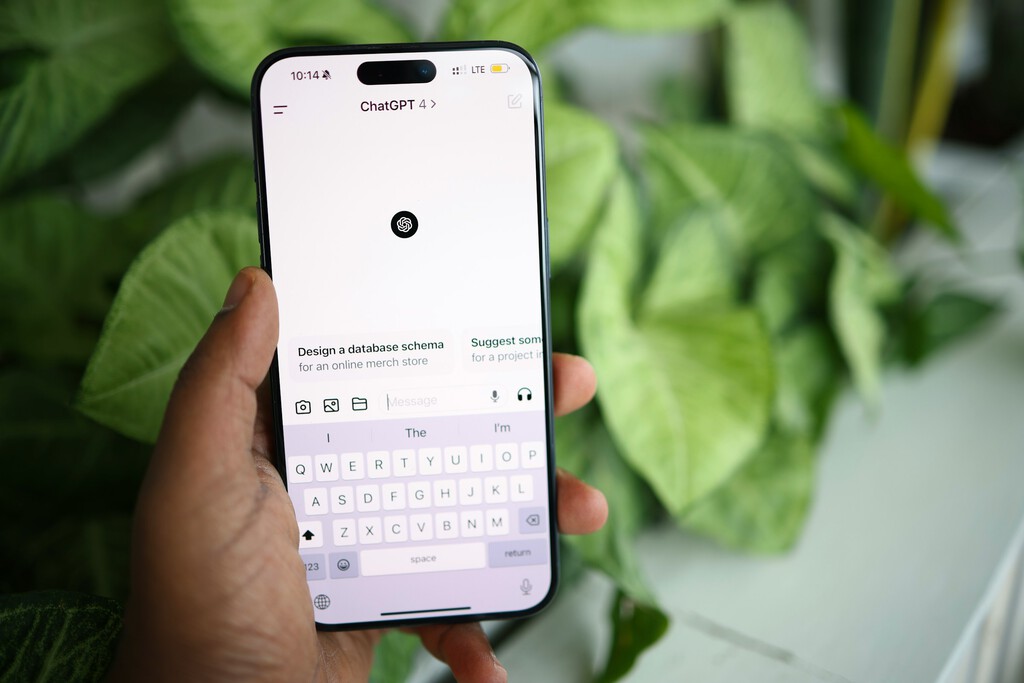
As generative AI settles into the background of professional life, marketed as a "copilot" for the mind, new research suggests the partnership may come at a cognitive cost. A study highlighted by *t3n* indicates that as little as 15 minutes of interaction with a chatbot can measurably impair a user’s subsequent thinking performance. The findings point to a subtle but rapid erosion of analytical rigor when the heavy lifting of synthesis is outsourced to an algorithm.
The researchers observed that participants who relied on AI for problem-solving tasks didn’t just save time; they experienced a shift in self-perception and a decline in independent cognitive stamina. This "offloading" effect suggests that the brain quickly adapts to a state of passivity, making the transition back to unassisted deep work more difficult than previously assumed.
While the industry focuses on the efficiency gains of these agents, the long-term impact on human expertise remains a critical, unanswered question. If brief exposure can dull the edge of critical thought, the integration of AI into every facet of the workday may necessitate a new kind of "cognitive hygiene" to preserve the very human intelligence these tools were meant to augment.
With reporting from t3n.
Source · t3n