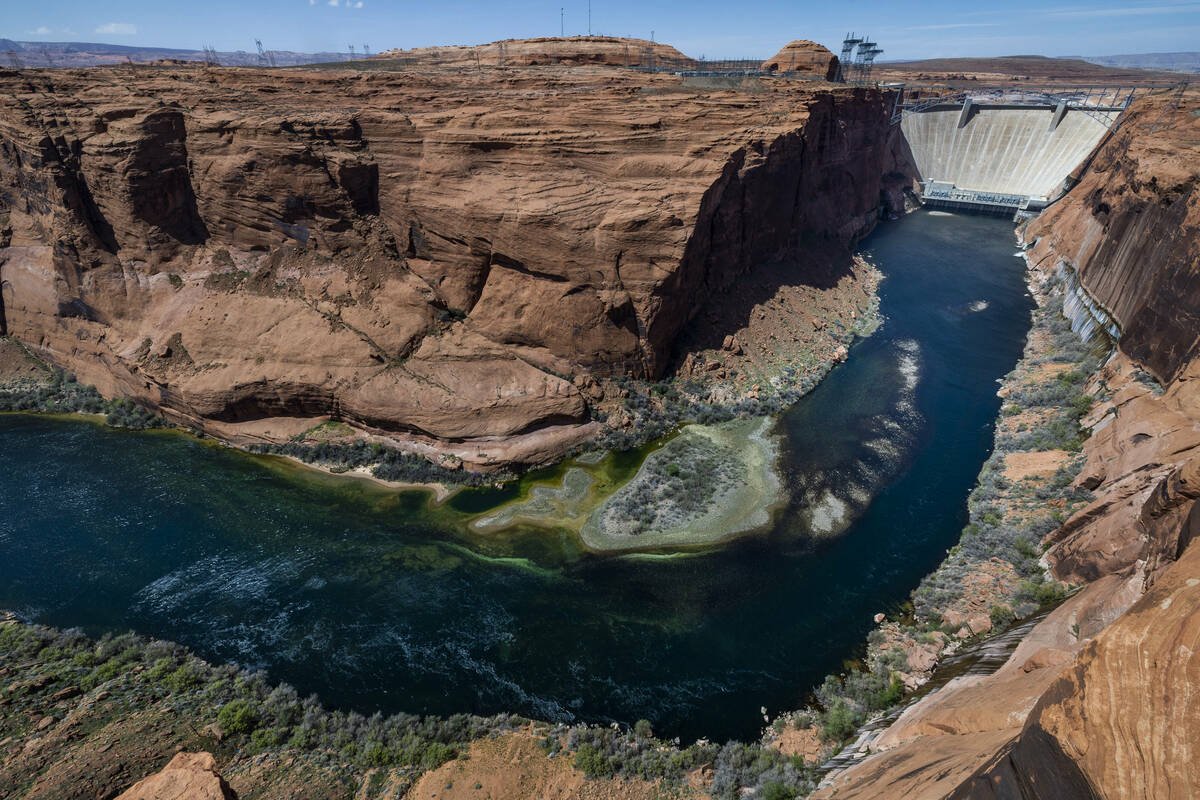
The Colorado River is more than a waterway; it is a primary architect of the American West. For millennia, its steady pulse has carved through the arid high plateaus of the Southwest, ultimately producing the Grand Canyon—a geological ledger of time itself. Yet, for all its prominence, a significant chapter of the river’s history remained effectively invisible to science, a five-million-year gap where the river’s precise path and behavior seemed to vanish from the geological record.
Recent investigations are now filling in those blanks, revealing a more fragmented and dynamic evolution than previously understood. Rather than a single, linear process of erosion, the Colorado’s journey appears to have been one of "stream capture," where older, smaller drainage systems were eventually linked together. This geological detective work suggests that the river we recognize today is a relatively recent phenomenon, formed when disparate basins finally breached their boundaries to find a path to the sea.
This newfound clarity regarding the river’s ancient past arrives at a moment of modern crisis. As the Colorado faces unprecedented strain from drought and over-allocation, understanding its deep-time resilience—and the tectonic forces that shaped its flow—offers a sobering perspective on the fragility of the systems that sustain the region. The secrets once hidden in the sediment now serve as a reminder that even the most enduring landscapes are subject to profound transformation.
With reporting from Exame Inovação.
Source · Exame Inovação


