The American housing market is currently defined by a sluggish equilibrium. According to a recent analysis of the Zillow Home Value Index, national home prices rose a mere 0.8% year-over-year between March 2025 and March 2026. This represents a notable deceleration from the 1.2% growth recorded the previous year, suggesting that the post-pandemic price surge has transitioned into a period of sustained stagnation.
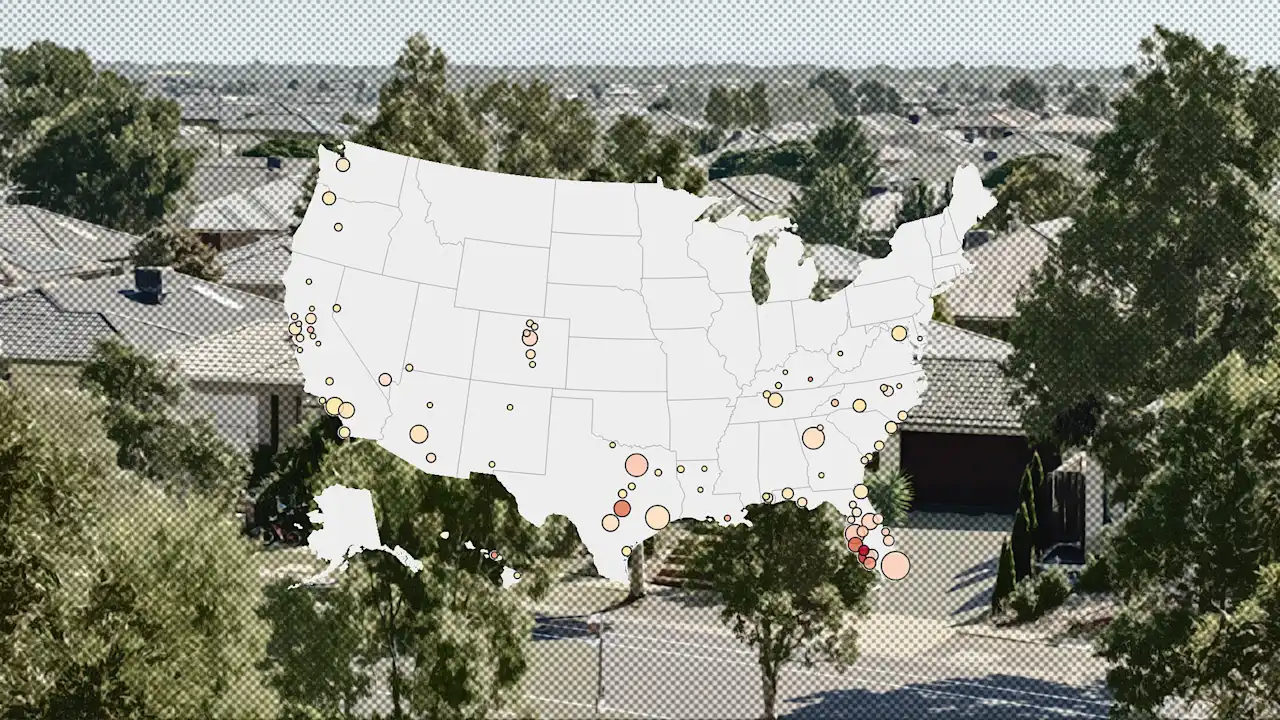
While national figures indicate a modest stabilization—recovering slightly from a brief dip into negative territory in August 2025—the aggregate data masks a deepening regional divide. The number of major metropolitan areas experiencing year-over-year price declines has grown significantly over the past year. In early 2025, only 10% of the nation’s 300 largest markets saw falling prices; by June 2025, that figure had climbed to 36%, representing 110 distinct markets.
This cooling trend reflects a market grappling with the friction of high interest rates and shifting migration patterns. Though the rapid climb in the number of declining markets has since leveled off, the data underscores a reality where the "national" housing market is increasingly a collection of disparate local stories. In dozens of major hubs, the long-standing expectation of perpetual year-over-year appreciation has, for now, come to a halt.
With reporting from *Fast Company*.
Source · Fast Company