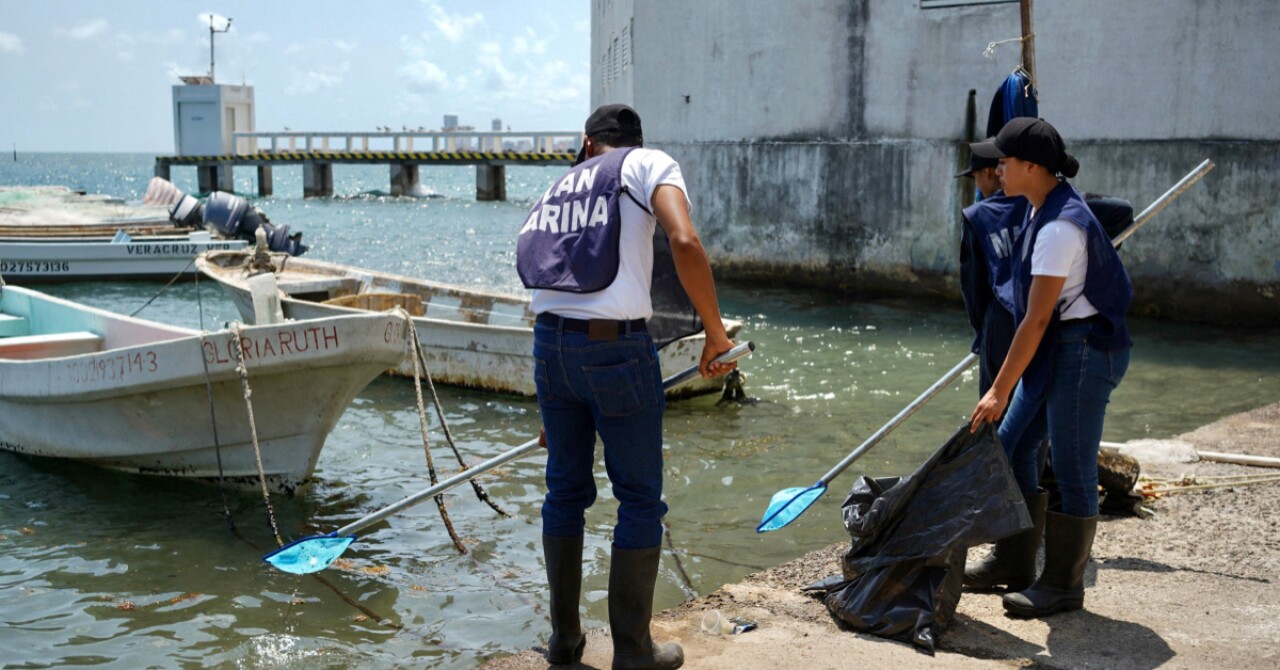
For two months, the full scope of the environmental damage in the Sonda de Campeche remained a matter of speculation. This week, Petróleos Mexicanos (Pemex) finally acknowledged its responsibility for a significant hydrocarbon spill in the Gulf of Mexico near the Abkatún platform complex. According to Pemex Director Víctor Rodríguez, an aerial survey conducted on February 6 first identified the presence of oil near the Pol Alfa platform, triggering containment and recovery protocols that the company claims are ongoing.
The admission comes as the state-owned giant grapples with a recurring pattern of industrial accidents. Just days ago, on April 13, another leak was reported at the Deer Park refinery in Texas—a facility Pemex fully acquired in 2022. That incident involved a diesel spill at the refinery’s dock following an interaction between two private vessels. While the Texas spill was met with a Level 3 emergency response and immediate community notification, it underscores the logistical and safety hurdles Pemex faces as it manages aging infrastructure across international borders.
These incidents are more than isolated logistical failures; they represent a persistent friction between Mexico’s intensive energy production goals and the environmental realities of offshore extraction. For a company that functions as a cornerstone of the Mexican economy, the mounting frequency of these spills suggests that the true cost of legacy oil systems is becoming increasingly difficult to quantify—or contain.
With reporting from Expansión MX.
Source · Expansión MX