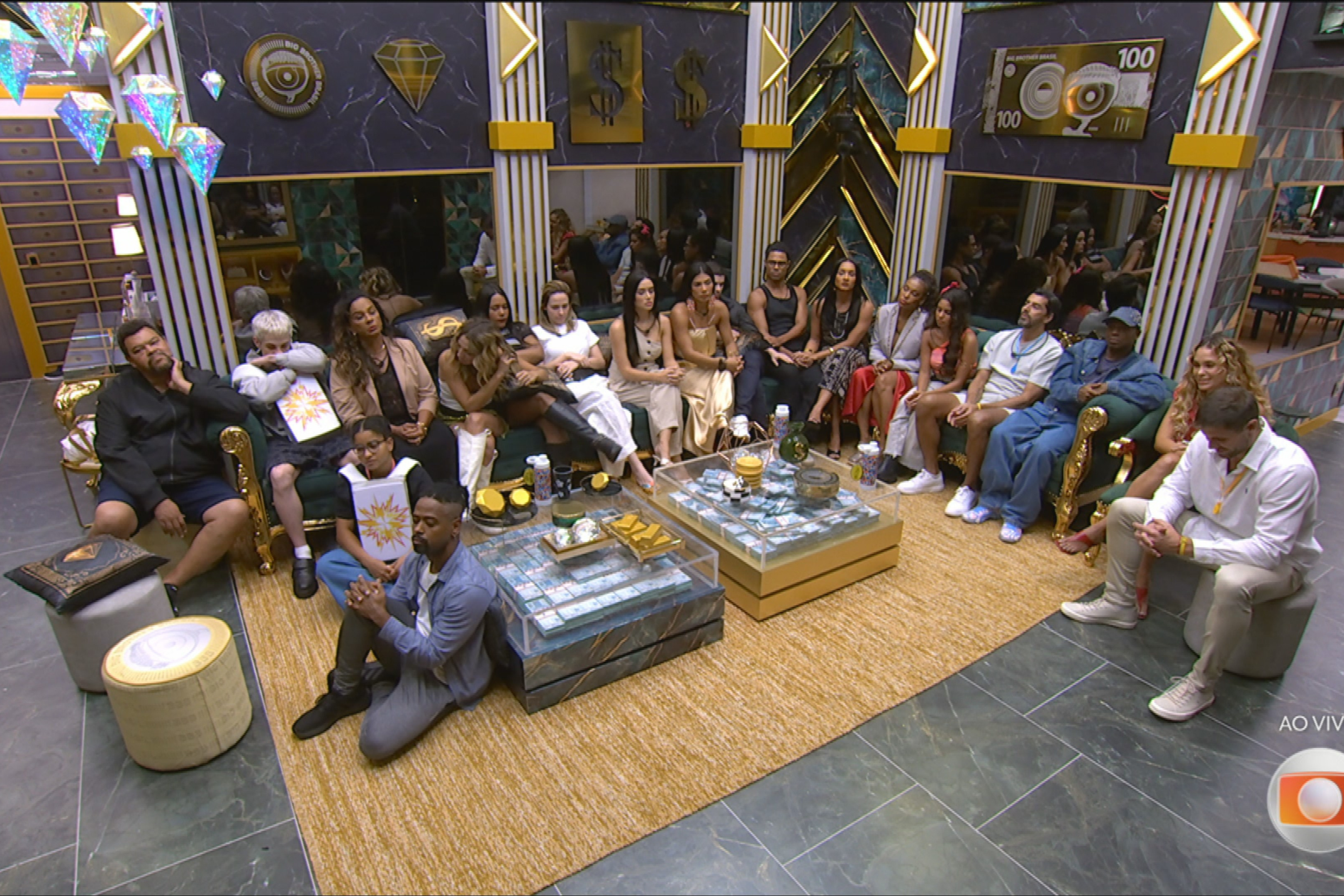
Big Brother Brasil 26 functioned less as a traditional competition and more as a high-pressure laboratory for social positioning. Over the course of nearly 100 days, the house transformed from a collection of individuals into a fractured landscape of rigid alliances. The game’s inherent volatility acted as a catalyst, forcing participants to abandon neutrality in favor of tribal security.
The emergence of factions such as Trindade, Eternos, and Formigas represented more than just casual friendships; they were tactical responses to the show’s psychological demands. These groups became the primary lens through which the season's narrative was viewed, as personal conflicts were scaled up into collective skirmishes. In this environment, the act of choosing a side was not merely a social preference but a prerequisite for survival within the game’s zero-sum logic.
Ultimately, the season demonstrated how quickly social structures can crystallize under scrutiny. As bonds tightened within groups, the gaps between them widened, illustrating the paradoxical way that conflict can both build and destroy community. BBB 26 remains a testament to the enduring human impulse to seek out the collective when faced with an uncertain, isolated system.
With reporting from [Exame Inovação].
Source · Exame Inovação


