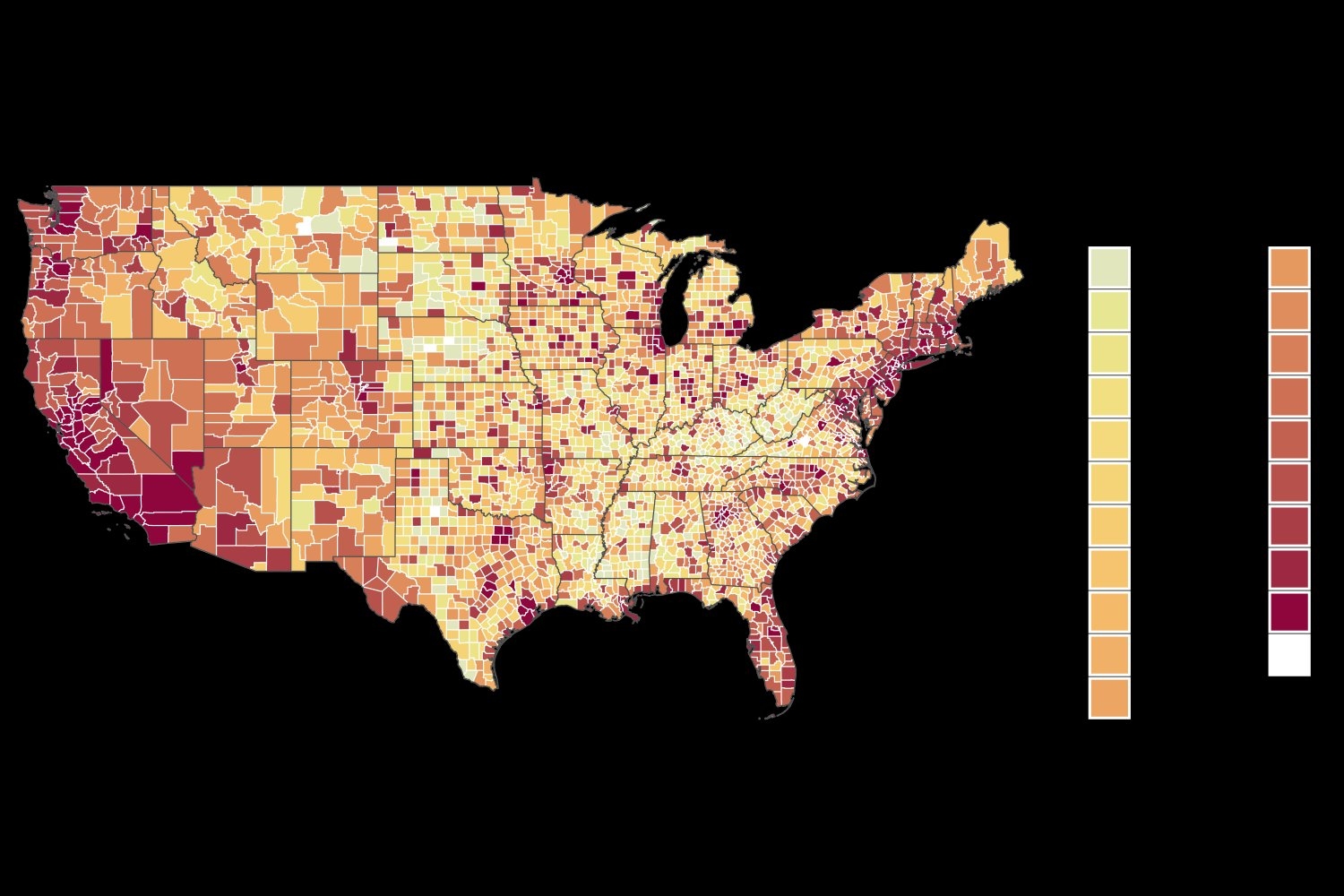
The narrative of the American suburb has long been tied to the perceived quality of its school districts, but new research suggests that the arrival of high-skilled Asian immigrants is actively reshaping that equation. A study by economists at MIT and the University of Cincinnati indicates that home prices in counties with significant Asian immigration are rising not merely due to increased market demand, but because these new residents are driving measurable improvements in K-12 education.
The study focused on a specific cohort arriving between 2008 and 2019: immigrants from China, India, Japan, Korea, the Philippines, and Vietnam who entered the U.S. on non-permanent work or study visas. Often pre-selected by elite universities and corporate employers, these individuals represent a concentrated influx of human capital. Their presence appears to create a "neighborhood effect" where a collective cultural and economic preference for rigorous education translates into better school performance, which in turn elevates property values for the entire community.
This shift suggests that the economic impact of immigration is more nuanced than simple supply-and-demand pressure. By prioritizing academic achievement, these highly educated residents enhance the "amenity value" of their counties. As local schools improve, the areas become more attractive to a wider range of prospective buyers, cementing a link between demographic change and long-term civic investment.
With reporting from MIT News.
Source · MIT News