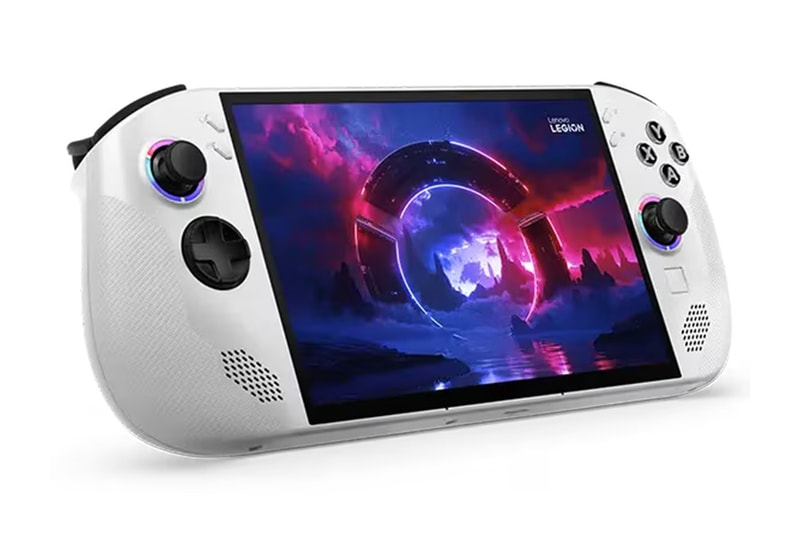
The promise of the high-end handheld gaming PC—a category defined by the pursuit of desktop-level performance in a mobile form factor—is colliding with the brutal realities of the global supply chain. A worsening shortage in the memory market, colloquially termed "RAMageddon," has sent hardware costs into a vertical climb. Lenovo, once a champion of the burgeoning segment, has become the most visible casualty of this volatility, with its flagship Legion Go 2 seeing its price tag nearly double overnight.
The figures are striking for a consumer electronics market typically defined by gradual depreciation. The premium 2TB model of the Legion Go 2, powered by the AMD Ryzen Z2 Extreme, has surged from a launch price of $1,479.99 to a prohibitive $2,849.99. Even entry-level configurations have not been spared; the baseline 16GB model now sits at $1,499.99, a 36% increase that effectively reclassifies the device from a high-end hobbyist tool to a luxury investment. Amid these fluctuations, the more streamlined Legion Go S has been discontinued as the manufacturer struggles to maintain a viable pricing structure.
The contagion is not limited to Lenovo. Sony recently signaled its own retreat from aggressive consumer pricing, announcing that by April 2026, the PlayStation 5 Pro will climb to $899.99, while the PlayStation Portal will rise to $249.99. This systemic inflation suggests a fundamental shift in the industry: as supply chains for critical components buckle, the era of subsidized or even moderately priced gaming hardware may be drawing to a close, replaced by a landscape where access to the latest silicon is reserved for those willing to pay a significant premium.
With reporting from Hypebeast.
Source · Hypebeast