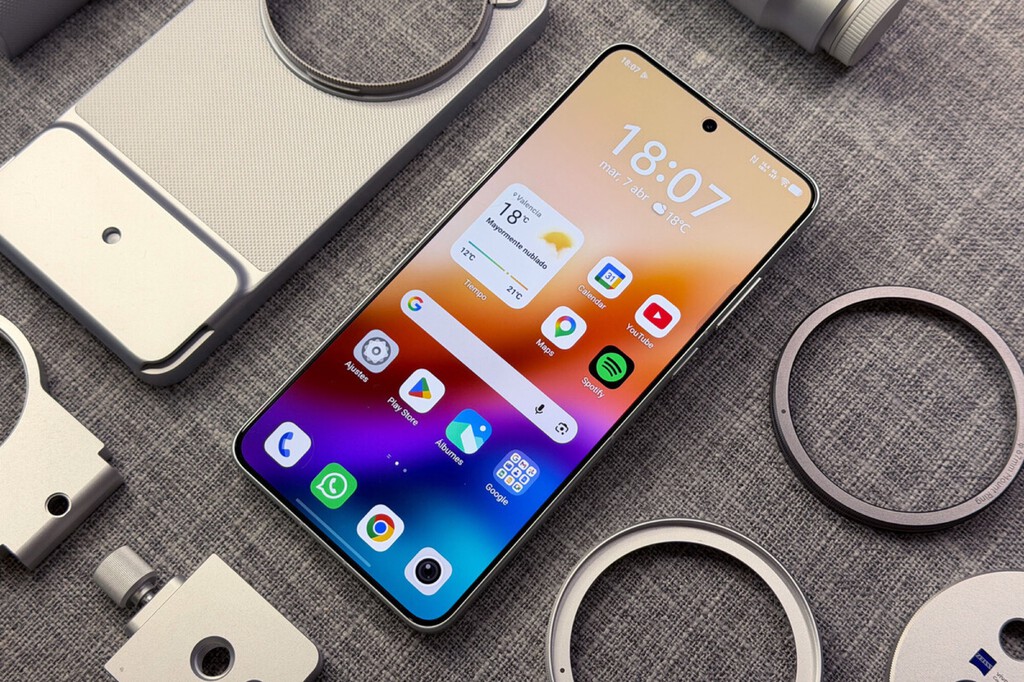
For the better part of a decade, the smartphone has evolved into a sealed monolith. The transition to "unibody" construction allowed manufacturers to achieve unprecedented levels of water resistance and structural rigidity, but it did so by turning the battery—a component with a natural expiration date—into a permanent fixture. Now, a looming mandate from the European Union is set to dismantle this design philosophy, requiring all smartphones to feature "easily removable" batteries by 2027.
The technical tension here is absolute. To the modern industrial designer, every cubic millimeter inside a chassis is a battleground. Adhesives and integrated components have allowed for the rise of high-capacity silicon-carbon batteries and the removal of physical SIM trays, creating devices that are as slim as they are durable. The EU’s new regulations specifically target these manufacturing choices, prohibiting the practice of gluing batteries to logic boards and demanding a return to modular accessibility.
This regulatory shift represents more than a logistical hurdle for companies like Apple; it is a fundamental challenge to the industry’s aesthetic of permanence. While manufacturers argue that sealed designs protect the device from the elements and internal wear, the EU is prioritizing the "right to repair" and the extension of hardware lifecycles. By 2027, the internal architecture of the handheld computer will have to be reimagined, trading the elegance of the sealed enclosure for the utility of a replaceable core.
With reporting from Xataka.
Source · Xataka